

Cart
0

I still remember the first time I held a bar of soap made by women in a small Indonesian coastal village. The scent of coconut and frangipani wasn't just pleasant; it told a story of hands that harvested the ingredients at dawn, of fires that carefully heated the oils, of patience that allowed each bar to cure under tropical skies. That moment taught me something crucial: pure natural isn't just a marketing phrase. It's a promise woven into every step of creation, from soil to skin.
In our modern world, where "natural" appears on nearly every bottle and jar, understanding what truly deserves that label has become both more important and more challenging. The bodycare industry faces a turning point where consumers demand transparency, and brands must decide whether to follow trends or honor traditions.
What Pure Natural Really Means in Bodycare
The term "pure natural" carries weight that extends far beyond ingredient lists. At its core, it represents a commitment to sourcing, processing, and creating products that maintain their connection to the earth.
When we talk about pure natural bodycare, we're describing products made from ingredients that come directly from nature with minimal processing. Think cold-pressed coconut oil, hand-harvested seaweed, and essential oils distilled using traditional methods. These ingredients retain their beneficial properties because they haven't been stripped, synthesized, or chemically altered beyond recognition.
The Certification Framework
Understanding what qualifies as pure natural requires looking at established standards. The COSMOS-standard provides comprehensive guidelines that help both brands and consumers navigate natural and organic cosmetic certifications. These frameworks establish clear criteria for what can legitimately be called natural.
Key elements that define pure natural products include:
- Ingredients sourced from renewable natural resources
- Processing methods that maintain ingredient integrity
- Minimal use of synthetic chemicals or petroleum-derived compounds
- Biodegradable formulations that return safely to the environment
- Packaging considerations that reduce environmental impact
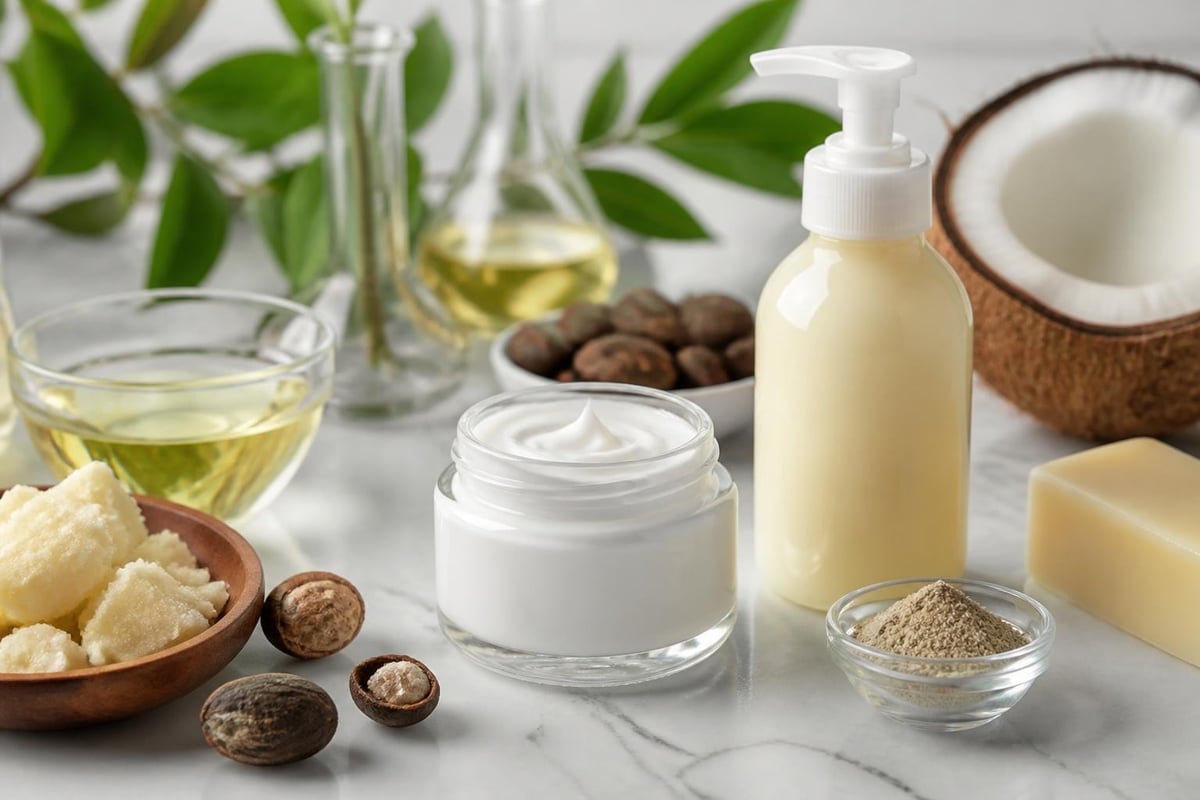
According to the EU Cosmetics Regulation framework, brands making natural claims must ensure their products meet specific safety and labeling requirements. This regulatory landscape helps protect consumers from misleading marketing while supporting genuinely pure natural products.
The Indonesian Tradition of Pure Natural Bodycare
Indonesia's archipelago holds centuries of wisdom about working with natural ingredients. Coastal communities have perfected techniques for extracting oils, creating soaps, and blending botanical ingredients using methods passed down through generations.
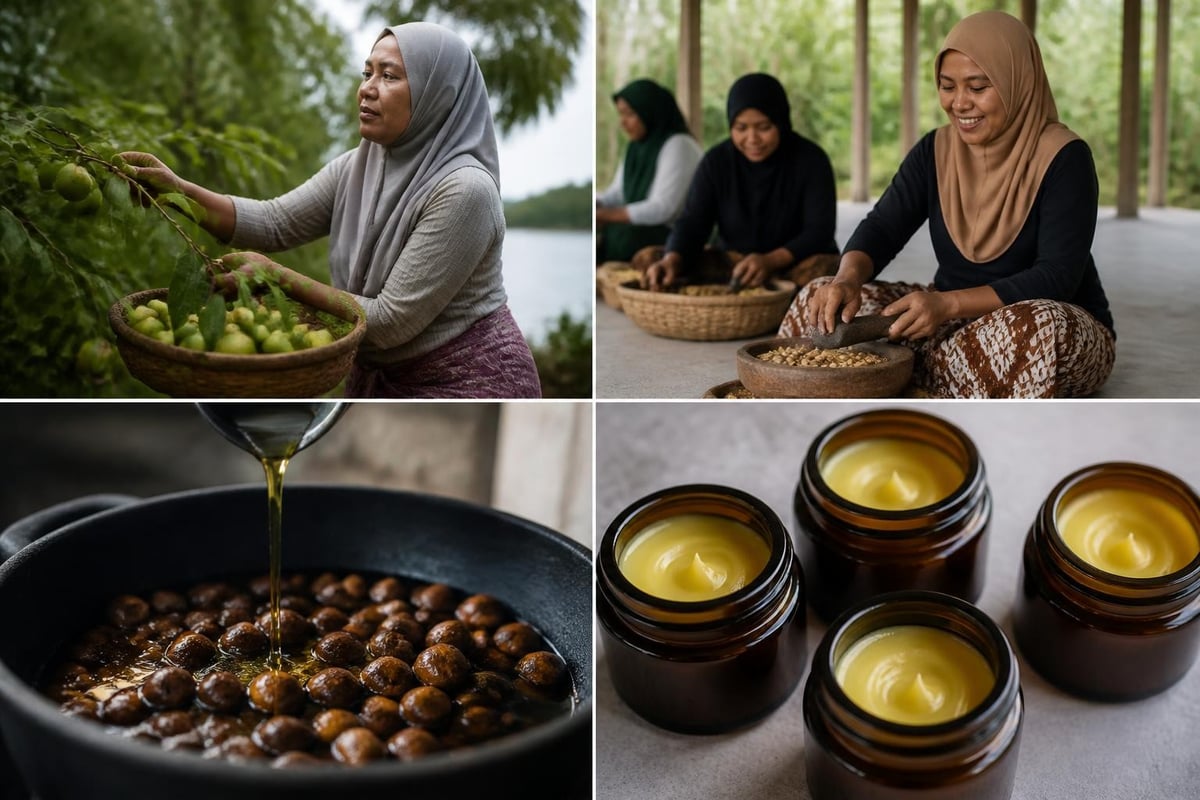
In villages along Indonesia's shores, women wake before sunrise to collect coconuts. They split the fruits by hand, extract the meat, and process it into virgin coconut oil using cold-pressing methods that preserve every beneficial compound. This labor-intensive process might seem inefficient by industrial standards, but it produces something irreplaceable: virgin coconut oil with its full spectrum of nutrients intact.
| Traditional Method | Industrial Alternative | Key Difference |
|---|---|---|
| Cold-pressed extraction | Chemical solvent extraction | Nutrient preservation |
| Sun-drying | Heat dehydration | Enzyme activity maintained |
| Hand-harvesting | Mechanical harvesting | Peak ripeness selection |
| Small-batch creation | Mass production | Quality control and attention |
The difference isn't just philosophical. When you create products using pure natural methods, you're working with living ingredients that contain complex compounds science is still discovering. Research on plant-based skincare continues to reveal how traditional ingredients offer benefits that synthetic alternatives struggle to replicate.
Why Traditional Processing Matters
Modern industrial processes can create consistent products at scale, but they often sacrifice the very qualities that make natural ingredients special. Heat processing, chemical extraction, and synthetic preservation might extend shelf life and reduce costs, but they fundamentally alter what the ingredient can do for your skin.
Consider the difference between commercially refined coconut oil and virgin coconut oil created through traditional methods. The refined version is stable, odorless, and uniform. The pure natural version retains its characteristic scent, contains medium-chain fatty acids in their original form, and offers antioxidant compounds that processing destroys.
Building a Pure Natural Product Line
Creating genuinely pure natural bodycare requires more than sourcing natural ingredients. It demands a complete rethinking of how products move from concept to customer.
Ingredient Selection and Sourcing
The foundation of any pure natural product line starts with where ingredients come from. At naturalē, sourcing decisions connect directly to community relationships and environmental stewardship.
Criteria for pure natural ingredient sourcing:
- Geographic specificity - Ingredients should come from regions where they naturally thrive
- Harvest timing - Collecting at peak potency ensures maximum benefits
- Minimal transportation - Reducing distance from source to production preserves freshness
- Community partnerships - Working with local harvesters ensures fair practices
- Sustainable practices - Harvesting methods that allow natural regeneration
When you choose patchouli from Indonesian forests or seaweed from coastal waters, you're not just selecting ingredients. You're participating in an ecosystem of relationships between land, community, and craft.
Formulation Without Compromise
Creating pure natural formulations means accepting certain limitations while discovering unexpected possibilities. You can't rely on synthetic emulsifiers, artificial preservatives, or chemical fragrances. Instead, you work with what nature provides.
This constraint becomes creativity. Natural soaps made with traditional saponification processes might not have the endless shelf life of synthetic detergent bars, but they offer something more valuable: genuine cleansing that respects your skin's natural balance.
The Cosmetics Europe guidelines emphasize that natural claims must be substantiated with clear evidence. This requirement protects consumers and pushes brands toward transparency about their formulation choices.
The Environmental Impact of Pure Natural Choices
Choosing pure natural bodycare extends far beyond personal benefits. Every product decision ripples outward, affecting ecosystems, communities, and climate.
Biodegradability and Water Systems
When you wash with pure natural soap, what happens after it goes down the drain matters. Synthetic surfactants, microplastics from exfoliants, and chemical preservatives accumulate in waterways, affecting marine life and water quality.
Pure natural ingredients break down completely, returning to the earth without leaving toxic residues. Coconut-based cleansers, plant oils, and botanical extracts biodegrade naturally, especially important in coastal communities where wastewater directly affects local ecosystems.
| Product Type | Biodegradation Time | Environmental Impact |
|---|---|---|
| Pure natural soap | 24-48 hours | Minimal, feeds microorganisms |
| Synthetic detergent bar | Months to years | Accumulates, disrupts aquatic life |
| Natural body oil | Days to weeks | Breaks down completely |
| Petroleum-based moisturizer | Indefinite | Persists in environment |
Supporting Sustainable Livelihoods
The pure natural approach creates economic ecosystems that benefit communities rather than extracting resources. When women in coastal villages process coconut oil or craft handmade soaps, they're building sustainable livelihoods rooted in their local environment.
This model contrasts sharply with industrial supply chains that minimize labor costs and maximize extraction. Pure natural production celebrates the human hands involved, recognizing that true sustainability includes social equity alongside environmental stewardship.
Recognizing Authentic Pure Natural Products
With "natural" appearing everywhere, how do you identify products that genuinely embody pure natural principles? Look beyond marketing claims to concrete evidence of commitment.
Labels and Certifications
Third-party certifications provide independent verification of natural claims. The COSMOS Standard documentation outlines specific requirements for natural and organic cosmetics, including permitted ingredients, processing methods, and labeling requirements.
Red flags that suggest products aren't truly pure natural:
- Ingredient lists dominated by scientific names you don't recognize
- "Natural fragrance" without specifying essential oils or plant sources
- Claims of "preservative-free" in products with high water content
- Marketing that emphasizes "natural" but lacks ingredient transparency
- Absence of information about sourcing or production methods
Ingredient List Literacy
Understanding what you're reading on product labels empowers better choices. Pure natural products typically have short ingredient lists with recognizable names. When you see "coconut oil," "shea butter," or "lavender essential oil," you know exactly what's in the bottle.
Complex chemical names aren't automatically problematic, but they warrant investigation. Some naturally-derived ingredients have scientific names (like tocopherol for vitamin E), while others indicate synthetic compounds foreign to natural systems.
The Sensory Experience of Pure Natural
Beyond ingredients and ethics, pure natural bodycare offers a fundamentally different sensory experience. The textures, scents, and feelings connect you to the earth in ways synthetic products cannot replicate.
Authentic Aromas
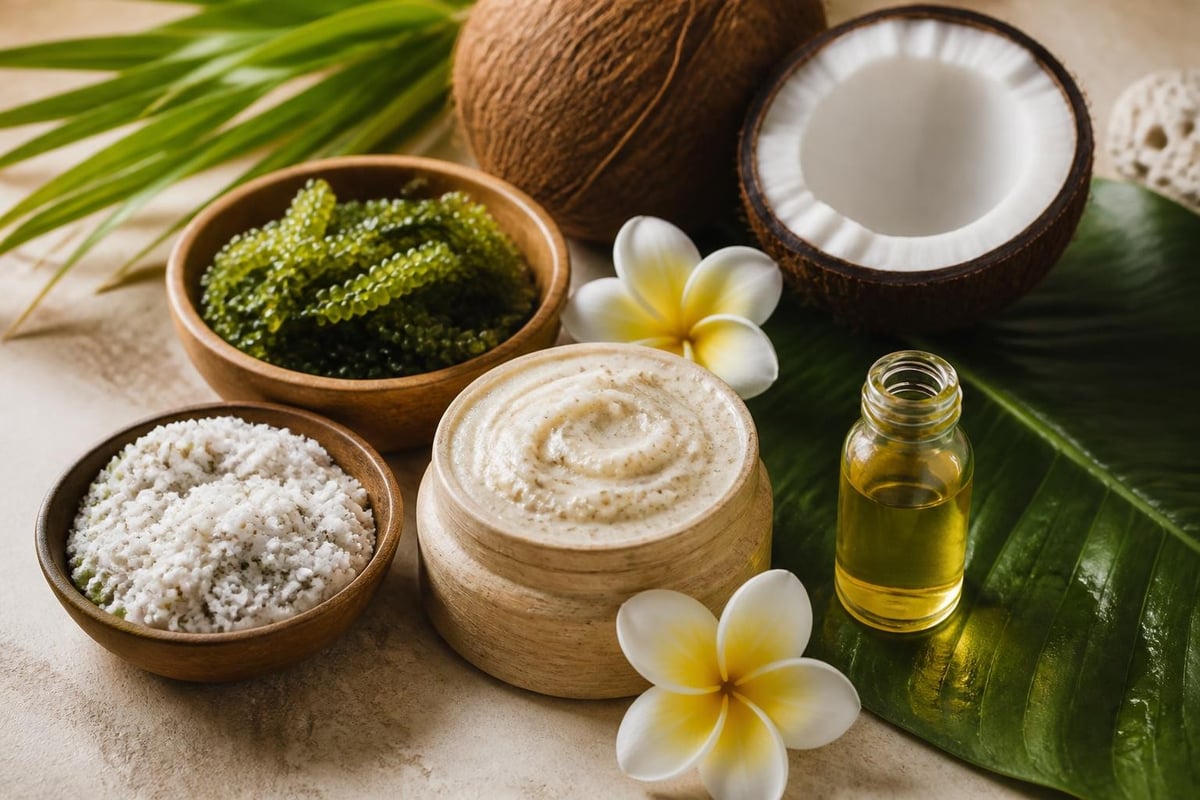
The fragrance of frangipani essential oil carries complexity that synthetic fragrance oils never achieve. Each batch varies slightly depending on when flowers were harvested, weather conditions, and distillation timing. This natural variation isn't a flaw; it's proof of authenticity.
When you use essential oil-based products, you're experiencing aromatherapy in its original form. These compounds interact with your nervous system through pathways evolved over millennia, triggering responses that synthetic fragrances merely mimic.
Texture and Absorption
Pure natural oils and butters feel different on skin. They absorb at rates determined by their molecular structure, not chemical engineering. Body oil made from virgin coconut oil penetrates quickly, while richer formulations create protective barriers that breathe with your skin.
This authenticity means products might perform differently in various climates or on different skin types. Rather than fighting against natural variation, pure natural bodycare embraces it, allowing you to adjust usage based on your body's needs.
Pure Natural as a Daily Practice
Incorporating pure natural bodycare into your routine becomes more than product selection. It's a daily practice of mindfulness about what touches your skin and where those ingredients come from.
Morning Rituals
Starting your day with pure natural products sets an intention. When you cleanse with handcrafted soap or apply face oil that contains nothing your great-grandmother wouldn't recognize, you're participating in traditions that predate modern industry.
This connection to tradition doesn't mean rejecting progress. It means being selective about which innovations serve genuine needs versus which merely serve profit margins.
Building Your Pure Natural Collection
Transitioning to pure natural bodycare doesn't require discarding everything at once. Start with products you use daily, replacing them with pure natural alternatives as they run out.
Priority replacements for maximum impact:
- Daily cleanser or soap (largest volume use, direct water impact)
- Moisturizer or body oil (absorbed into skin, longest contact time)
- Shampoo and conditioner (scalp absorption, water system impact)
- Any product used on sensitive areas
- Products children or sensitive individuals use
Explore naturalē's full collection to discover pure natural alternatives that align with your values and needs.
The Future of Pure Natural Bodycare
As consumers become more educated about ingredient sourcing and environmental impact, the demand for genuinely pure natural products continues growing. This shift creates opportunities for brands committed to authenticity while challenging those using "natural" as mere marketing.
The future belongs to brands that can demonstrate complete transparency, from the hands that harvest ingredients to the communities that benefit from production. Pure natural bodycare represents not just a product category but a vision of commerce that honors people, planet, and tradition equally.
This evolution requires consumers who ask questions, demand evidence, and support brands making genuine commitments. Every purchase becomes a vote for the kind of world we want to create, where pure natural means exactly what it promises.
Pure natural bodycare represents a return to wisdom our ancestors understood: what we put on our skin should come from the earth and return to it without harm. By choosing products created through traditional methods using sustainably sourced ingredients, you're supporting communities, protecting ecosystems, and honoring your body with the authentic nourishment it deserves. Naturalē brings these principles to life through handcrafted products made by Indonesian coastal communities, where every bar of soap and bottle of oil carries the story of the hands that created it and the land that provided it.


