

Cart
0
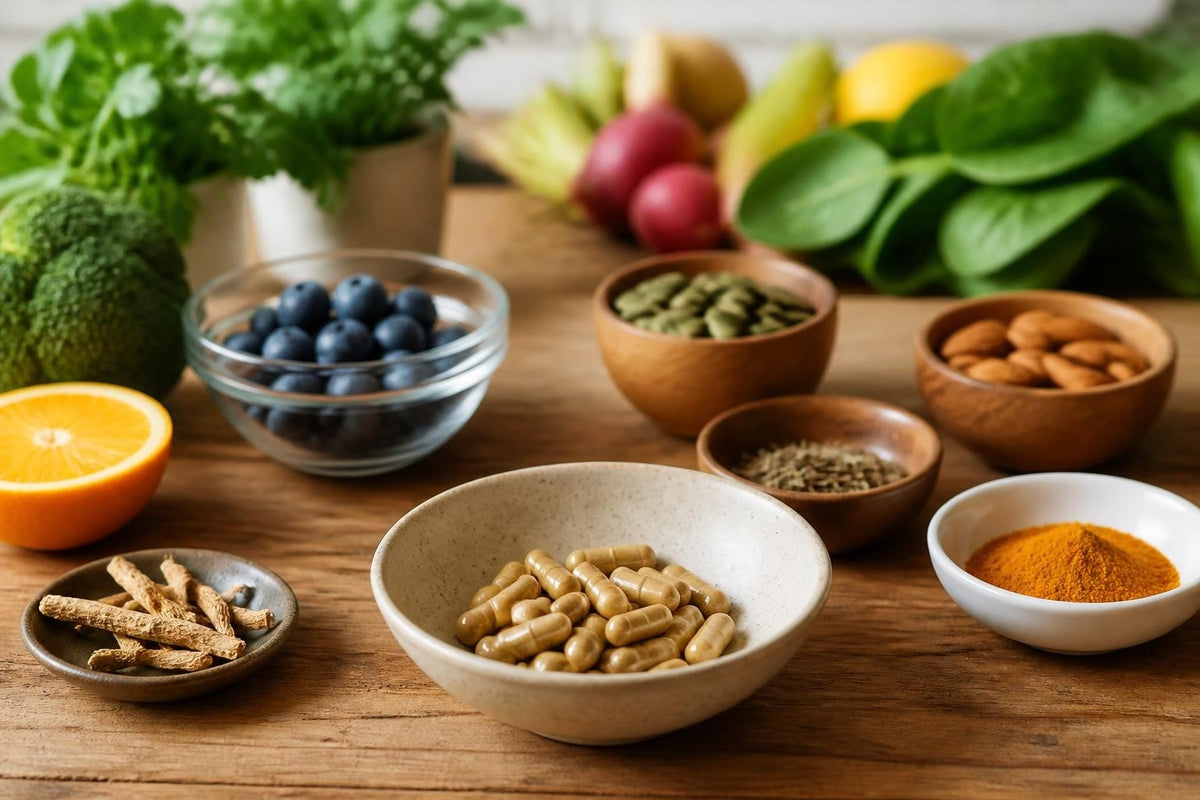
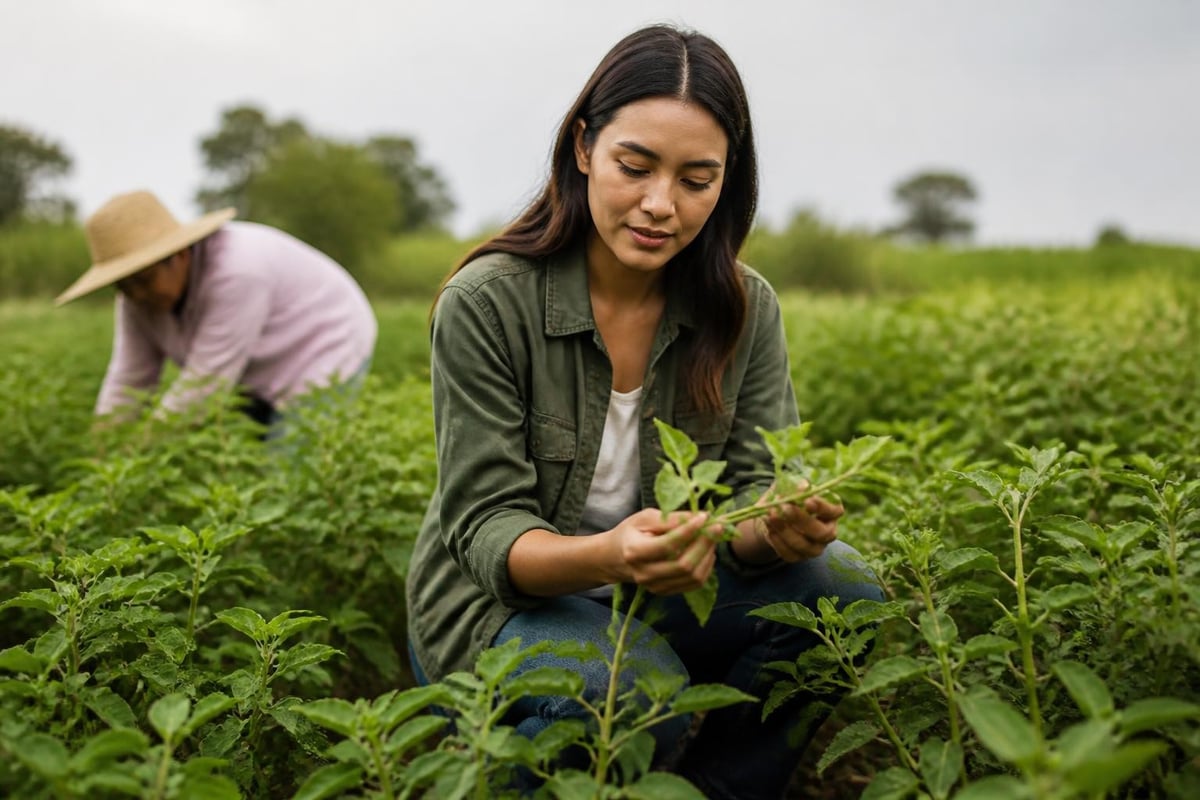
The sun rises over Indonesia's coastal villages, where women gather wild botanicals that have nourished communities for generations. This same reverence for nature's complete nutrition is what makes alive multivitamin formulations so compelling in 2026. Unlike isolated synthetic compounds, these comprehensive supplements draw inspiration from traditional wisdom, combining vitamins, minerals, and botanical extracts into formulas that mirror the complexity of whole foods. Whether you're navigating a busy lifestyle or seeking to fill nutritional gaps, understanding what makes an alive multivitamin truly effective requires looking beyond the label to the philosophy of holistic wellness.
The Living Philosophy Behind Comprehensive Nutrition
An alive multivitamin represents more than a simple collection of nutrients in a capsule. The name itself suggests vitality, movement, and the interconnected dance of nourishment that happens when your body receives complete nutritional support.
Think about how traditional communities sustained health without modern supplements. They consumed diverse whole foods, wild-harvested plants, and mineral-rich waters. Today's alive multivitamin formulas attempt to recreate this ancestral completeness in modern form.
What Sets These Formulas Apart
The distinction lies in several key characteristics:
- Whole food sourcing that preserves nutrient cofactors and phytonutrients
- Botanical additions like spirulina, chlorella, and fruit extracts
- Orchard Fruits and Garden Veggies powders that add antioxidant diversity
- Enzyme and probiotic complexes supporting digestion and absorption
- Bioperine or similar enhancers that improve nutrient bioavailability
When you examine independent testing results at ConsumerLab's comprehensive multivitamin reviews, you'll notice that quality varies dramatically. Some products contain exactly what their labels promise, while others fall short.
At naturalē, we understand this commitment to authenticity. Our handcrafted natural soap follows the same principle: what goes into the product matters as much as what stays out. Just as we source coconut oil from coastal communities who have perfected traditional extraction methods, alive multivitamin manufacturers who prioritize quality often trace their ingredients back to specific farms and harvest seasons.
Understanding Your Body's Nutritional Story
Every person's nutritional journey is unique, shaped by diet, lifestyle, stress levels, and even the soil quality of the foods they consume. Modern agriculture has changed the nutrient density of our food supply, which is why so many people consider supplementation in 2026.
The Modern Nutrient Gap
Consider these realities:
- Soil depletion has reduced mineral content in vegetables by 20-40% over the past 70 years
- Processing and storage strip away water-soluble vitamins from many convenience foods
- Stress and environmental toxins increase our bodies' demands for antioxidants and B vitamins
- Dietary restrictions (whether chosen or medically necessary) can create specific deficiencies
An alive multivitamin enters this landscape as potential insurance, though recent cohort analysis examining multivitamin use and mortality outcomes reminds us that supplements cannot replace a healthy lifestyle. The research published in June 2024 showed that while multivitamins don't necessarily extend lifespan, they may help fill specific nutritional gaps when dietary intake falls short.
This echoes what we practice at naturalē through our natural body care philosophy. True wellness comes from multiple sources working together: nutrient-dense foods, quality supplementation when needed, stress management, movement, and mindful self-care rituals.
Decoding Quality in Alive Multivitamin Products
Walking into a supplement store or scrolling through online options can overwhelm even seasoned wellness enthusiasts. The alive multivitamin category alone offers dozens of variations, each claiming superiority.
Key Quality Markers to Investigate
| Quality Factor | What to Look For | Why It Matters |
|---|---|---|
| Third-party testing | USP, NSF, or ConsumerLab verification | Confirms label accuracy and purity |
| Nutrient forms | Methylated B vitamins, chelated minerals | Improves absorption and utilization |
| Additive profile | Minimal fillers, no artificial colors | Reduces unnecessary chemical exposure |
| Source transparency | Named ingredient origins | Indicates manufacturer accountability |
| Expiration dating | Clear "best by" dates | Ensures potency at time of use |
The USDA's Dietary Supplement Ingredient Database provides valuable analytical data on nutrient levels in various supplement brands. This resource helps researchers and informed consumers understand whether products deliver bioavailable forms of vitamins and minerals.
When we create products like our organic vitamin C enriched formulations, we consider not just the active ingredient but how it exists in nature. Vitamin C in rosehip extract comes with bioflavonoids and other compounds that enhance its effectiveness. Similarly, a quality alive multivitamin doesn't just list isolated nutrients but includes complementary compounds.
Reading Between the Label Lines
Most people glance at the "% Daily Value" column and move on. But the real story lives in the ingredients list and the fine print.
Watch for these details:
- Does it contain 100% or more of water-soluble vitamins? (Usually safe since excess is excreted)
- Are fat-soluble vitamins (A, D, E, K) kept at reasonable levels? (Too much can accumulate)
- What form of iron is used? (Ferrous bisglycinate is gentler than ferrous sulfate)
- Is there adequate vitamin K2? (Often overlooked but crucial for calcium metabolism)
Some alive multivitamin formulas separate their doses into morning and evening capsules, recognizing that certain nutrients compete for absorption while others work synergistically at different times of day.
The Botanical Dimension of Vitality
What often distinguishes an alive multivitamin from basic formulations is the inclusion of whole food and botanical concentrates. These additions connect modern supplementation to ancient healing traditions.
Nature's Complementary Compounds
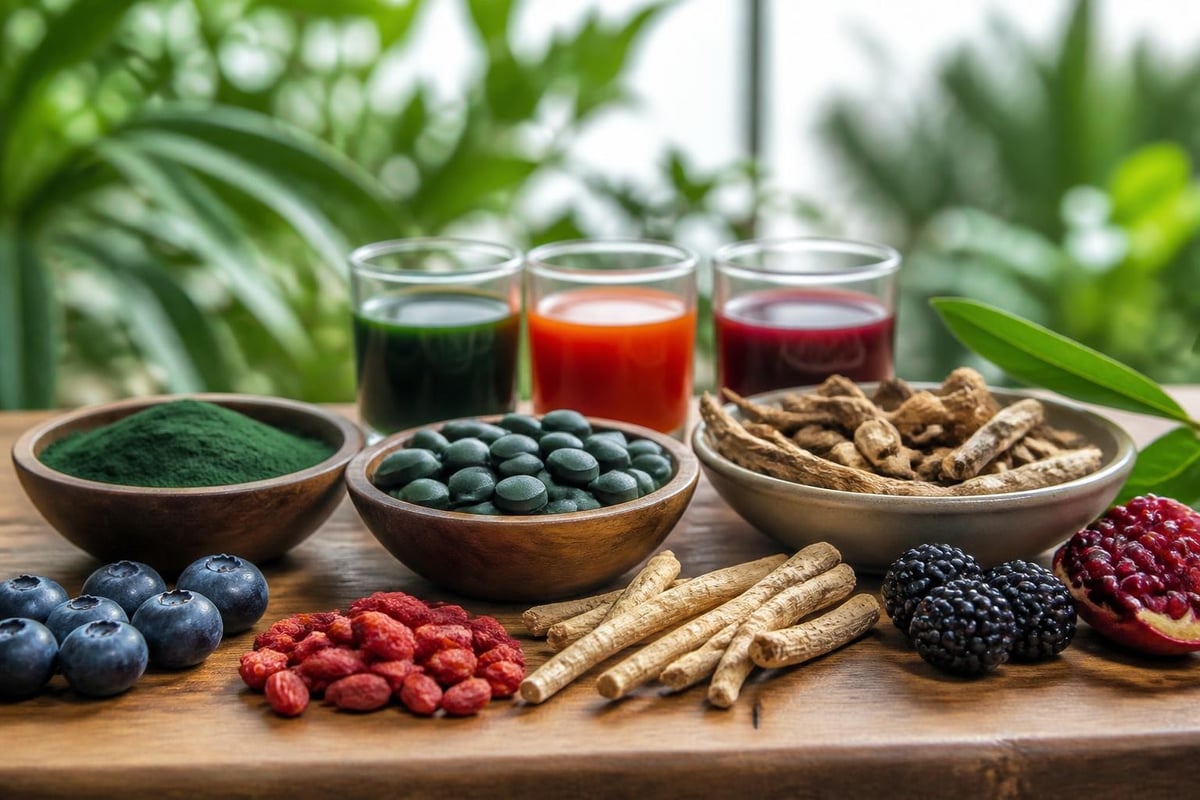
Consider how herbal extracts have been used therapeutically for millennia. Indonesia's traditional jamu preparations combine multiple plants to create synergistic healing effects. Similarly, alive multivitamin products often include:
- Green superfoods like spirulina and wheatgrass that provide chlorophyll, enzymes, and trace minerals
- Adaptogenic herbs such as ashwagandha or rhodiola that help the body manage stress
- Antioxidant-rich fruits including acai, pomegranate, and blueberry concentrates
- Digestive botanicals like ginger, peppermint, or fennel to support nutrient absorption
These additions transform a multivitamin from a simple nutrient replacement into a more holistic wellness formula. They acknowledge that health isn't just about preventing deficiency but about thriving with vitality.
At naturalē, we see this same philosophy in ingredients like seaweed and frangipani that we incorporate into our body care products. These botanicals offer benefits beyond their individual chemical constituents because they contain hundreds of compounds working in concert.
Evidence and Expectations: What Science Actually Shows
The supplement industry makes bold claims, but what does peer-reviewed research actually tell us about alive multivitamin effectiveness in 2026?
The Current Scientific Consensus
The US Preventive Services Task Force recommendation on vitamin supplementation provides valuable clinical guidance. Their analysis concluded that for most healthy adults, evidence doesn't support routine multivitamin use specifically to prevent cardiovascular disease or cancer.
However, this doesn't mean multivitamins lack value. The research focuses on disease prevention in well-nourished populations. Many people don't fall into this category.
Where alive multivitamin use shows clearer benefits:
- Pregnant and nursing women who need extra folate, iron, and other nutrients
- Older adults with decreased absorption efficiency and changing nutritional needs
- People with restrictive diets (vegan, allergies, medically prescribed limitations)
- Those with diagnosed deficiencies working to restore optimal levels
- Individuals with increased needs due to medications, stress, or health conditions
A 2024 Cochrane systematic review on multivitamin interventions examined multiple outcomes across diverse populations. The high-quality evidence synthesis confirmed that while multivitamins aren't miracle workers, they serve important roles in specific contexts.
Setting Realistic Expectations
An alive multivitamin won't compensate for poor sleep, chronic stress, or a diet built entirely on processed foods. Think of it as one thread in your wellness tapestry, not the entire fabric.
When I speak with artisans in Indonesia's coastal communities about traditional wellness practices, they emphasize balance. Health comes from clean water, fresh food, meaningful work, strong relationships, and connection to nature. Supplements support this foundation but never replace it.
Personalizing Your Alive Multivitamin Approach
Generic recommendations rarely serve individual needs perfectly. Your ideal alive multivitamin depends on multiple factors that make your nutritional story unique.
Creating Your Personal Supplement Strategy
Consider these personalization factors:
| Factor | Questions to Ask | Impact on Choice |
|---|---|---|
| Age | Am I in childbearing years, middle age, or 50+? | Affects needs for folate, calcium, B12 |
| Diet pattern | Do I eat animal products? Diverse vegetables? | Vegetarians need B12, iron; others may need different support |
| Health status | Any chronic conditions or medications? | Some supplements interact with drugs or conditions |
| Activity level | How physically active am I? | Athletes may need more B vitamins, antioxidants |
| Location | Do I get adequate sun exposure? | Affects vitamin D requirements significantly |
Working with a knowledgeable healthcare provider who reviews your actual lab work provides the best guidance. Functional medicine practitioners often test micronutrient levels to identify specific gaps rather than guessing.
This personalized approach mirrors how we think about natural body care at naturalē. Different skin types, climates, and preferences require different formulations. Our body butter serves different needs than our coconut face cream, just as alive multivitamin formulas vary for different life stages and health goals.
Timing, Storage, and Maximizing Absorption
You've selected a quality alive multivitamin. Now what? How you take supplements matters almost as much as what you take.
Optimal Usage Guidelines
Best practices for alive multivitamin supplementation:
- Take with a fat-containing meal to enhance absorption of vitamins A, D, E, and K
- Split doses if the formula is high-potency (morning and evening)
- Avoid taking with coffee or tea, which can bind minerals and reduce absorption
- Stay consistent with timing to maintain steady nutrient levels
- Store in cool, dry locations away from direct sunlight
Some people experience nausea when taking multivitamins on an empty stomach. This typically happens because B vitamins in concentrated doses can irritate the stomach lining. Taking your alive multivitamin mid-meal usually prevents this issue.

What About Taking Breaks?
Should you cycle on and off your alive multivitamin, or take it continuously? This depends on your specific situation.
For people addressing diagnosed deficiencies, continuous supplementation under medical supervision makes sense. For those using multivitamins as nutritional insurance, some practitioners recommend periodic breaks to allow the body to rely on dietary sources and prevent adaptation.
However, water-soluble vitamins (B complex and C) aren't stored long-term, so breaks longer than a few days mean you're no longer getting their benefits. The key is finding a sustainable routine that serves your individual needs.
Sustainability and Ethical Considerations
In 2026, conscious consumers increasingly ask not just "Does this work?" but "Where did this come from, and what impact did its production have?"
The Environmental Cost of Supplementation
Manufacturing alive multivitamin products requires:
- Agricultural land for growing botanical ingredients
- Energy for extraction, processing, and tableting
- Packaging materials (often plastic bottles)
- Transportation across global supply chains
Brands committed to sustainability address these impacts through:
- Organic ingredient sourcing that protects soil health and waterways
- Renewable energy in manufacturing facilities
- Recycled or recyclable packaging materials
- Carbon offset programs for transportation emissions
- Fair trade practices that support farming communities
At naturalē, sustainability isn't an afterthought but a foundational commitment. Our mission centers on empowering coastal communities while minimizing environmental impact. We source ingredients locally when possible, use upcycled materials, and create products through traditional methods that require minimal energy input.
When choosing an alive multivitamin, look for brands that transparently communicate their environmental and social practices. Companies serious about sustainability provide specific details rather than vague marketing claims.
Common Questions and Misconceptions
Let's address some frequent confusion surrounding alive multivitamin use.
"More is Better" Fallacy
Some people assume that if vitamins support health, mega-doses must be even better. This dangerous misconception leads to excessive intake, particularly of fat-soluble vitamins that accumulate in tissues.
Vitamin A toxicity can cause liver damage, bone loss, and birth defects. Too much vitamin E may increase bleeding risk. Excess iron in people who don't need it can promote oxidative stress.
An alive multivitamin should provide balanced amounts, typically around 100% of daily values for most nutrients, with strategic higher doses of specific vitamins (like C and D) where research supports safety and benefit.
"Natural Means Safe"
The term "natural" on supplement labels often confuses consumers. Just because something comes from plants doesn't guarantee safety or quality.
Heavy metal contamination can occur in botanical ingredients grown in polluted soils. Some plants contain natural compounds that interact with medications. "Natural" simply means derived from nature, not necessarily safe for every person in every dose.
This is why third-party testing remains crucial. Quality manufacturers test both raw materials and finished products for contaminants, ensuring that natural ingredients are also clean ingredients.
Can You Get Everything from Food?
In theory, yes. In practice, for most modern people, no.
Achieving optimal nutrient intake through food alone requires:
- Eating 8-10 servings of diverse, organic vegetables and fruits daily
- Including wild-caught fish, grass-fed meats, or comprehensive plant protein sources
- Consuming fermented foods for probiotics
- Getting adequate sun exposure for vitamin D
- Drinking mineral-rich water
- Avoiding processed foods almost entirely
While this represents an ideal worth striving toward, most people's real-world constraints make it challenging. An alive multivitamin can fill gaps without replacing the irreplaceable benefits of whole foods.
Integration with Holistic Wellness Practices
The most effective approach to vitality combines supplementation with other health-supporting practices.
Building Your Complete Wellness Routine
Think of health as a symphony rather than a solo performance. Each element contributes:
Nutritional foundation:
- Whole, minimally processed foods as the base
- Alive multivitamin to address potential gaps
- Adequate hydration with clean water
- Occasional targeted supplements for specific needs
Physical practices:
- Regular movement that you genuinely enjoy
- Sufficient sleep in darkness and quiet
- Time outdoors in natural light and fresh air
- Stress reduction through breathwork or meditation
Body care rituals:
- Natural products that nourish rather than burden your system
- Practices that honor your body's wisdom and needs
This holistic perspective aligns with how we approach wellness at naturalē. Our natural body oil and pure vitamin E oil support your skin's health from the outside while you nourish from within. These practices complement each other, creating comprehensive care.
Similarly, taking an alive multivitamin works best when combined with other wellness choices. No supplement can overcome chronic sleep deprivation, constant stress, or a diet devoid of vegetables.
Special Populations and Unique Needs
Certain groups benefit particularly from targeted alive multivitamin formulations.
Life Stage Considerations
Women of childbearing age should prioritize formulas with adequate folate (preferably as methylfolate) to prevent neural tube defects if pregnancy occurs. Iron becomes especially important during menstruation.
Pregnant and nursing mothers need specialized prenatal formulas with higher levels of folate, iron, calcium, and DHA. Standard alive multivitamin products don't provide pregnancy-specific dosing.
Children and teens have different nutritional needs than adults. Look for age-appropriate formulations that avoid excessive doses while supporting growth and development.
Older adults often benefit from higher B12 levels (absorption decreases with age), extra vitamin D for bone health, and antioxidants to support cellular function. Some seniors' formulas reduce or eliminate iron since excess iron accumulation becomes more common after menopause.
Athletes and highly active individuals may need additional B vitamins for energy metabolism, antioxidants to counter exercise-induced oxidative stress, and minerals lost through perspiration.
Dietary Pattern Adjustments
Vegetarians and vegans should ensure their alive multivitamin includes B12 (only reliably found in animal products), adequate iron in absorbable forms, zinc, and potentially DHA from algae sources.
People with food allergies or sensitivities need to carefully review labels for common allergens. Many supplements contain fillers derived from corn, soy, dairy, or gluten-containing grains.
Looking Forward: The Future of Nutritional Supplementation
As we move deeper into 2026, several trends are shaping how people think about alive multivitamin products and nutritional support.
Emerging Developments
Personalized nutrition testing is becoming more accessible and affordable. Companies now offer at-home blood tests that measure micronutrient levels, allowing truly customized supplement protocols.
Microbiome-informed supplementation recognizes that nutrient absorption depends heavily on gut health. Future alive multivitamin formulas may increasingly include prebiotics, probiotics, and postbiotics to support the digestive ecosystem.
Sustainable sourcing innovation continues advancing. Algae-based nutrients, fermentation-derived vitamins, and vertical farming for botanical ingredients reduce environmental impact while maintaining quality.
Enhanced delivery systems like liposomal encapsulation, delayed-release capsules, and nanoparticle formulations promise improved bioavailability, meaning your body can actually use more of what you consume.
These innovations build on traditional wisdom while leveraging modern science, much like how naturalē bridges ancestral Indonesian knowledge with contemporary needs for natural bodycare.
Your journey toward vitality deserves support from multiple sources: nutrient-dense foods, movement, rest, meaningful connection, and when appropriate, thoughtful supplementation with a quality alive multivitamin. Just as your body thrives when you feed it well from within, your skin flourishes when you care for it with clean, natural ingredients. At naturalē, we understand this interconnected approach to wellness, crafting handmade products from Indonesia's coastal bounty using traditional methods that honor both your body and the environment. Explore how our commitment to natural ingredients and sustainable practices can complement your complete wellness journey.


