

Cart
0
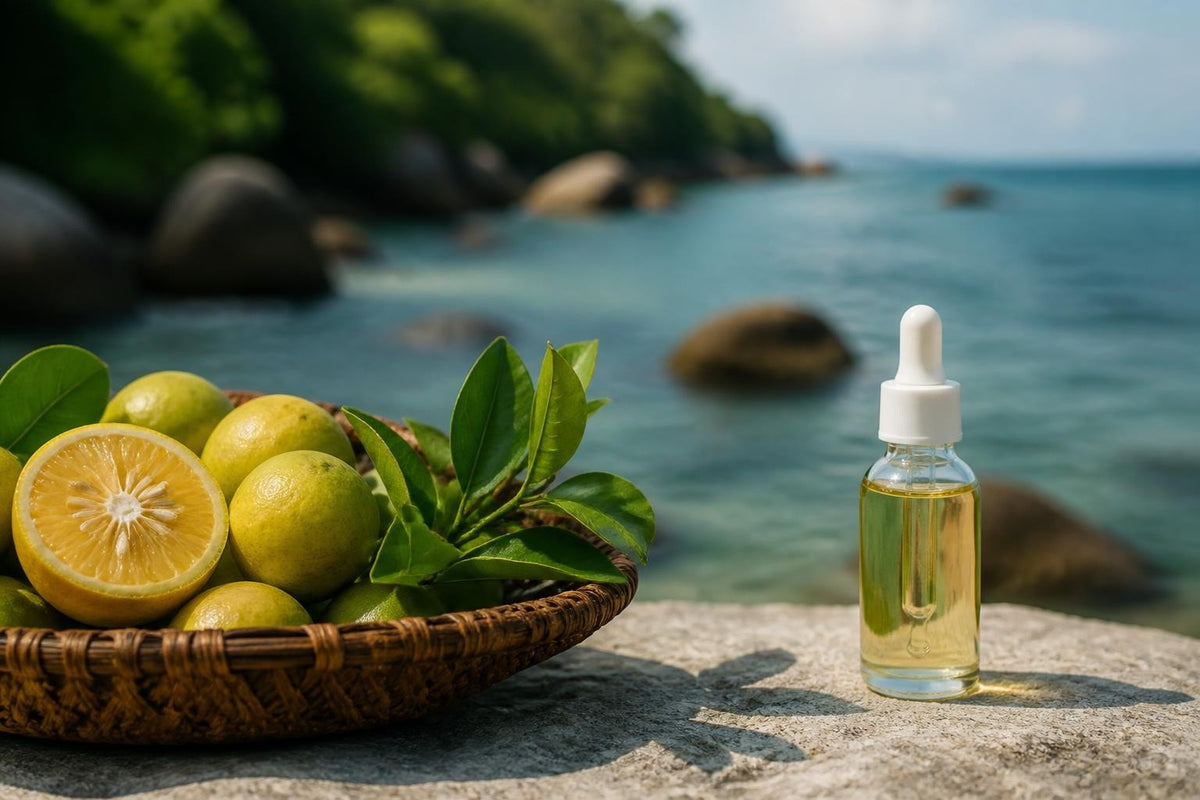
The morning sun filters through my window in Bali, and I reach for my skincare routine with the same intention I bring to everything: natural, sustainable, purposeful. When I first discovered the transformative power of vitamin C for my skin, I was overwhelmed by synthetic options lining store shelves. That's when I began my journey into understanding what makes an organic vitamin C serum different, and why that difference matters for both our skin and our planet.
The Story Behind Organic Vitamin C Serum
Picture a small coastal village in Indonesia where women gather to harvest sea buckthorn and tropical botanicals at dawn. This scene isn't just beautiful; it's the foundation of authentic organic skincare. Traditional communities have used vitamin C-rich plants for generations, long before laboratories synthesized ascorbic acid in gleaming facilities.
An organic vitamin C serum represents more than a beauty trend. It embodies a commitment to clean ingredients, sustainable practices, and traceable sourcing. Unlike conventional serums that may contain synthetic ascorbic acid derived from petrochemicals or genetically modified corn, organic versions source their potent antioxidants from nature itself.
What Makes Vitamin C Truly Organic
The word "organic" carries legal weight in skincare, though many brands toss it around casually. USDA organic certification standards require that agricultural ingredients be grown without synthetic pesticides, genetic engineering, or sewage sludge. For an organic vitamin C serum, this means the botanical sources, carrier oils, and plant extracts must meet strict criteria.
But here's where the story gets interesting: pure ascorbic acid itself cannot be certified organic because it's an isolated compound, not an agricultural product. Authentic organic vitamin C serums derive their potency from whole plant extracts and fruit-derived vitamin C that maintain their organic integrity throughout processing.

The Science of Stability and Effectiveness
I remember the first time I opened a supposedly "premium" vitamin C serum only to find it had already oxidized to an orange-brown color. That disappointing moment taught me everything about stability. The chemical challenges of vitamin C formulations reveal why so many serums fail before they ever touch your skin.
Understanding Degradation
Vitamin C degrades rapidly when exposed to:
- Light exposure - even indirect sunlight triggers oxidation
- Air contact - oxygen is vitamin C's nemesis
- pH fluctuations - ascorbic acid requires acidic environments (pH 2.0-3.5)
- Heat - temperatures above 77°F accelerate breakdown
- Water contamination - moisture introduces degradation catalysts
Natural formulations face additional stability challenges because they avoid synthetic stabilizers and preservatives. This is where traditional knowledge meets modern innovation. Coastal communities in Indonesia have long preserved botanical extracts using specific plant oils and natural techniques that modern laboratories are only beginning to understand.
Delivery Systems That Work
Modern organic formulations employ clever strategies to protect their precious vitamin C cargo:
| Delivery Technology | How It Works | Organic Compatibility |
|---|---|---|
| Liposomal encapsulation | Phospholipid bubbles shield vitamin C from oxidation | Yes, using plant-derived lecithin |
| Oil-based suspension | Anhydrous formulas eliminate water-based degradation | Highly compatible with organic oils |
| Magnesium ascorbyl phosphate | More stable derivative that converts to vitamin C in skin | Available in organic formulations |
| pH-optimized systems | Maintain acidic environment using organic plant acids | Yes, using citrus or kakadu plum extracts |
Advanced encapsulation technologies show remarkable promise for delivering vitamin C effectively while maintaining organic standards. These innovations allow brands rooted in traditional practices, like naturalē's body care collection, to create products that honor both ancestral wisdom and modern performance expectations.
Sourcing Vitamin C from Nature's Pharmacy
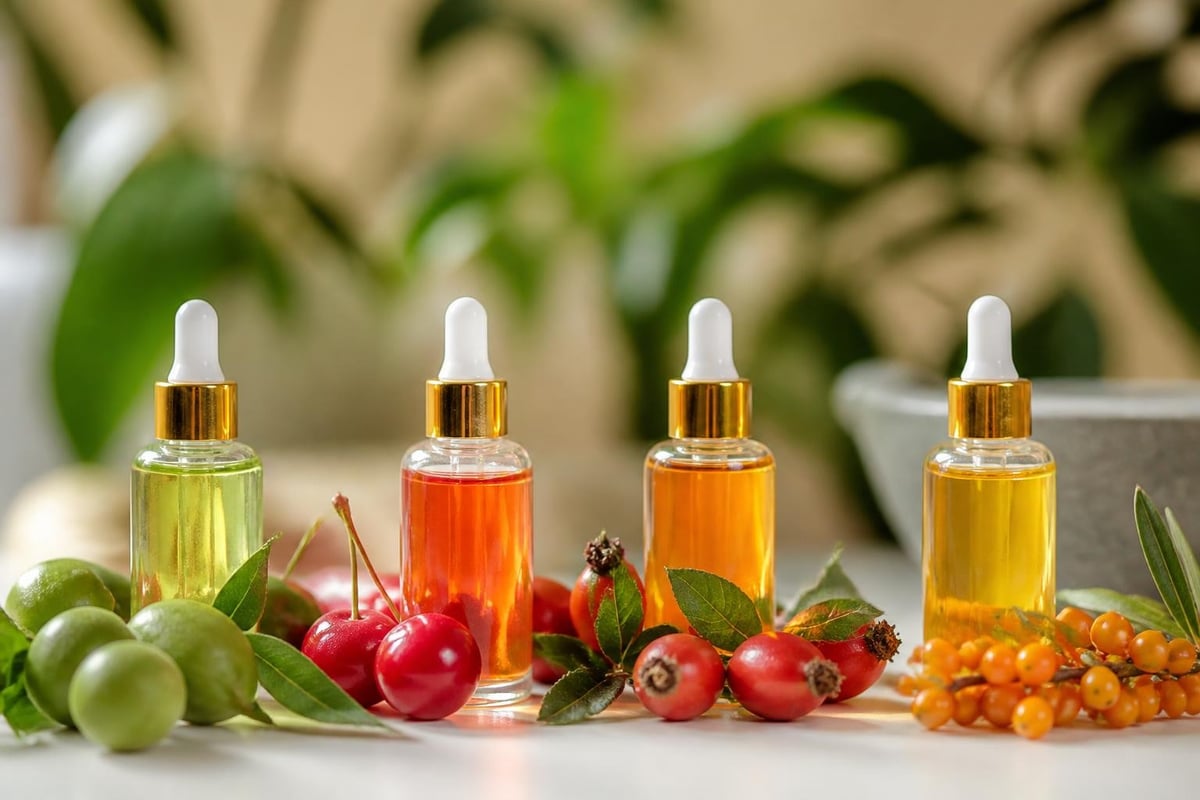
The Indonesian archipelago sits on one of Earth's most biodiverse regions, where vitamin C-rich plants thrive in volcanic soil and tropical sunlight. Walking through these coastal ecosystems reveals nature's pharmacy: sea buckthorn berries bursting with ascorbic acid, camu camu fruits containing 60 times more vitamin C than oranges, and kakadu plum, the world's richest known source.
Traditional Botanical Sources
When formulating an organic vitamin C serum, ingredient selection tells a story:
High-potency natural sources:
- Kakadu plum (5% vitamin C content by weight)
- Acerola cherry (1.5-4.5% vitamin C)
- Rose hip extract (0.5-2% vitamin C)
- Sea buckthorn oil (0.3-1% vitamin C)
- Amla (Indian gooseberry)
These botanicals bring more than just vitamin C to formulations. They deliver complementary antioxidants, bioflavonoids, and phytonutrients that work synergistically. This whole-plant approach mirrors the way traditional healers have always understood skincare: nature rarely isolates compounds, and neither should we.
The Sustainability Question
Every ingredient choice carries environmental weight. Organic certification addresses agricultural practices, but sustainability requires a broader lens. When coastal communities in Indonesia harvest sea buckthorn or rose hips, they're participating in regenerative systems that have sustained these plants for centuries.
The naturalē approach demonstrates this philosophy beautifully: sourcing from local women's cooperatives, ensuring fair compensation, and maintaining ecosystems rather than depleting them. This model proves that organic vitamin C serum production can support both skin health and community well-being.
Reading Labels Like a Skincare Detective
Standing in the skincare aisle (or scrolling through endless online options), decoding labels becomes essential. Many products claim "organic" while containing minimal organic content. Understanding international organic cosmetic standards helps separate authentic products from greenwashed imposters.
Certification Seals That Matter
- USDA Organic - Requires 95%+ certified organic ingredients
- COSMOS Organic - International standard requiring 95% organic agricultural ingredients
- Soil Association - Rigorous UK-based certification with comprehensive beauty standards
- Ecocert - French certification requiring 95% natural ingredients, 10% organic
Products labeled "made with organic ingredients" contain at least 70% organic content but don't meet the strictest thresholds. This doesn't make them bad, but transparency matters when you're investing in premium skincare.
Ingredient List Priorities
A quality organic vitamin C serum typically lists these elements:
- Botanical vitamin C source (kakadu plum extract, acerola cherry)
- Organic carrier oils (jojoba, argan, hemp seed)
- Natural stabilizers (vitamin E, ferulic acid from rice bran)
- Plant-based preservatives (rosemary extract, radish root ferment)
- Organic hydrosols or aloe (if water-based)
What you shouldn't see: synthetic fragrances, parabens, phenoxyethanol, petroleum derivatives, or ingredients you can't pronounce without a chemistry degree.
Packaging Choices That Preserve Potency
I once purchased an expensive organic vitamin C serum in a beautiful clear glass bottle. Within three weeks, the golden liquid had turned brown despite careful storage. That expensive mistake taught me that formula-packaging compatibility matters as much as ingredient quality.
Protection Strategies
Airless pump bottles create vacuum systems that prevent air contact with each use. These ingenious designs extend shelf life dramatically, though they require more complex manufacturing.
Violet or amber glass blocks light wavelengths that trigger oxidation. While less protective than opaque containers, colored glass balances protection with the ability to monitor serum color.
Opaque, airtight containers offer maximum protection but prevent visual quality checks. Brands using these should include manufacturing dates and clear usage timelines.
The naturalē packaging philosophy extends sustainability beyond ingredients into container choices, favoring recyclable materials and minimal waste. This holistic approach acknowledges that truly natural skincare considers every touchpoint from soil to disposal.
Building Your Organic Vitamin C Routine
Morning light streams across my bathroom counter where I've arranged my skincare ritual. The organic vitamin C serum sits center stage, but it's the supporting cast that makes the performance shine. Dermatologist recommendations emphasize that vitamin C works best within a thoughtful routine, not as an isolated hero product.
Morning Application Protocol
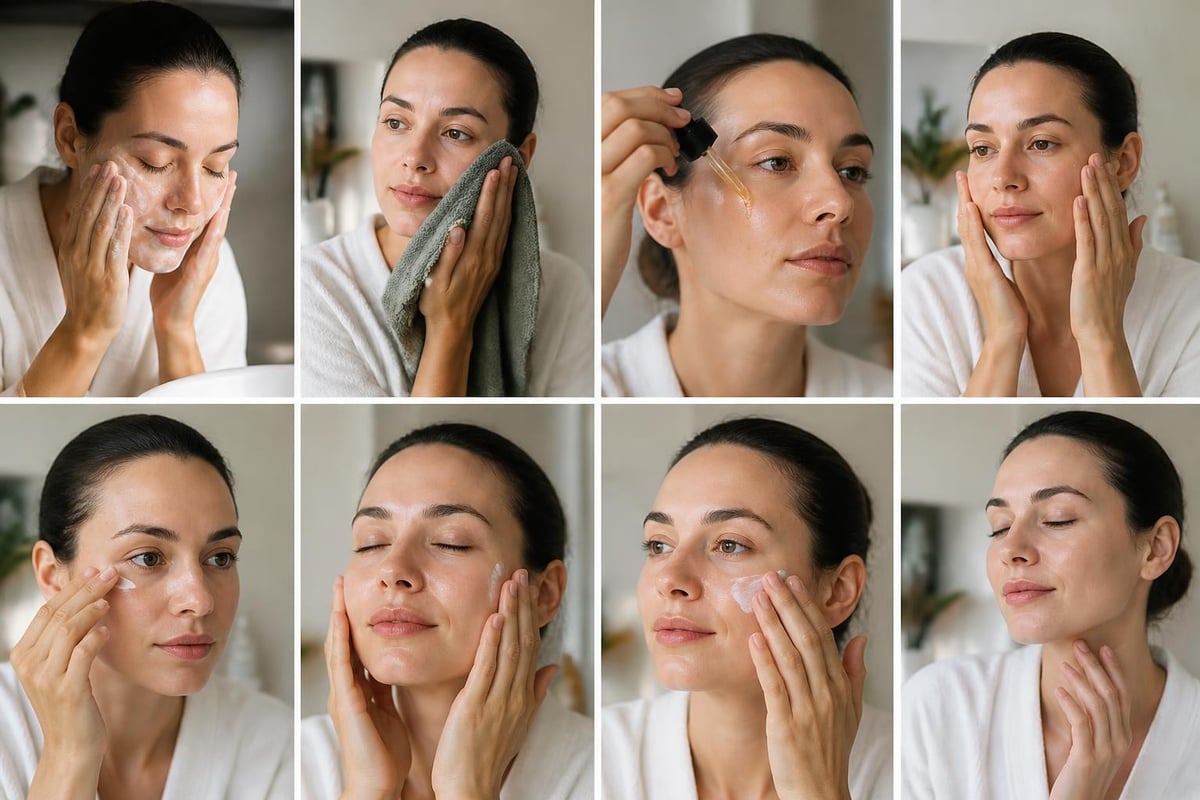
Step 1: Cleanse gently
Start with lukewarm water and a gentle, pH-balanced cleanser. Harsh soaps disrupt your skin's acid mantle, reducing vitamin C absorption.
Step 2: Apply to damp skin
Pat face until slightly damp, not dripping. Moisture helps spread serum evenly and can improve penetration for some formulations.
Step 3: Press, don't rub
Use 3-4 drops and press into skin with fingertips. Rubbing generates heat and friction that may destabilize vitamin C.
Step 4: Wait before layering
Allow 60-90 seconds for absorption before applying subsequent products.
Step 5: Seal with moisturizer
Lock in the serum with organic moisturizer. Natural body oils work beautifully for this purpose, creating an occlusive barrier.
Step 6: Always use SPF
Vitamin C provides antioxidant protection but never replaces sunscreen. Layer broad-spectrum SPF as your final step.
Complementary Natural Ingredients
An organic vitamin C serum plays well with other clean ingredients:
| Ingredient Pairing | Synergistic Benefit | Timing Consideration |
|---|---|---|
| Vitamin E | Regenerates oxidized vitamin C | Apply together |
| Ferulic acid | Doubles photoprotection efficacy | Apply together |
| Hyaluronic acid | Hydrates while vitamin C brightens | Apply after vitamin C |
| Niacinamide | Brightening and barrier support | Use at different times of day |
| Retinol | Anti-aging powerhouse combo | Use retinol at night only |
Many coastal communities have traditionally combined vitamin C-rich botanicals with frangipani extracts or seaweed, creating synergies long before laboratories proved their efficacy.
The Clinical Evidence for Topical Vitamin C
Beyond traditional knowledge lies a growing body of scientific validation. Comprehensive dermatological reviews document vitamin C's impressive range of skin benefits, from photoaging prevention to pigmentation treatment. This evidence base matters because it bridges ancestral wisdom with modern verification.
Proven Skin Benefits
Collagen synthesis stimulation - Vitamin C serves as an essential cofactor for enzymes that stabilize collagen structure. Without adequate vitamin C, your skin cannot produce or maintain strong collagen networks.
Antioxidant protection - Free radicals generated by UV exposure, pollution, and metabolic processes damage cellular structures. Vitamin C neutralizes these unstable molecules before they cause harm.
Melanin regulation - By interfering with tyrosinase enzyme activity, vitamin C helps reduce hyperpigmentation and even skin tone naturally.
Inflammation reduction - Anti-inflammatory properties help calm irritated skin and support healing processes.
Photoprotection - While not replacing sunscreen, vitamin C provides additional defense against UV damage, particularly when combined with vitamin E and ferulic acid.
Realistic Expectations
My friend once complained that her organic vitamin C serum wasn't delivering "miracle results" after one week. We need honest conversations about timelines. Clinical studies typically measure improvements over 12 weeks of consistent use. Natural formulations may work more gradually than their synthetic counterparts because they respect skin's natural processes rather than forcing rapid change.
Visible improvements generally follow this timeline:
- Weeks 1-2: Enhanced radiance and subtle glow
- Weeks 3-6: Evening of tone and texture refinement
- Weeks 7-12: Reduction in hyperpigmentation and fine lines
- Months 4-6: Significant improvements in firmness and elasticity
Navigating Quality and Price
The organic vitamin C serum market spans from $15 drugstore bottles to $300 luxury treatments. This vast range confuses consumers who understandably wonder whether price correlates with quality. As someone who has tested dozens of formulations, I can say: sometimes yes, sometimes no.
What Drives Cost
Ingredient sourcing - Wild-harvested kakadu plum costs exponentially more than synthetic ascorbic acid. Fair-trade organic botanicals command premium prices that reflect their true environmental and social costs.
Processing technology - Encapsulation systems and stability technologies require significant R&D investment and specialized equipment.
Certification fees - Organic certification isn't free. Third-party verification involves application fees, annual renewals, and inspection costs.
Packaging innovation - Airless pumps and protective containers cost more than standard bottles but preserve product integrity.
Small-batch production - Artisanal brands like naturalē create limited quantities with meticulous quality control, raising per-unit costs compared to mass manufacturing.
Marketing and distribution - Luxury positioning and extensive advertising budgets inflate retail prices regardless of formulation quality.
Value Assessment Strategy
Rather than focusing solely on price, evaluate:
- Ingredient concentration - How much actual vitamin C does it contain?
- Source transparency - Can you trace where botanicals originated?
- Stability indicators - What packaging and preservation methods protect potency?
- Brand values - Do their practices align with your priorities?
- Certification verification - Are organic claims backed by legitimate seals?
Mid-range organic vitamin C serums ($40-80) often offer the best balance of quality ingredients, protective packaging, and reasonable pricing. This sweet spot typically reflects authentic commitment to natural formulation without excessive luxury markup.
Global Perspectives on Natural Skincare
Sitting with artisan soapmakers in Indonesian coastal villages taught me that "natural skincare" means different things across cultures. Western markets often fixate on individual active ingredients like vitamin C, while traditional Asian approaches emphasize holistic balance and multi-ingredient synergies.
Traditional Indonesian Beauty Wisdom
Indonesian beauty traditions incorporate vitamin C-rich ingredients within broader wellness frameworks. The concept of jamu, traditional herbal medicine, extends to skincare through turmeric masks, rice water treatments, and botanical infusions. These practices don't isolate vitamin C but recognize it as one element within nature's interconnected web.
When naturalē sources ingredients from coastal communities, they're preserving cultural knowledge systems that view skin health as inseparable from environmental health, spiritual well-being, and community connection. An organic vitamin C serum emerging from this worldview carries different energy than one formulated solely for cosmetic correction.
The Certification Challenge in Developing Nations
While European and North American organic certifications dominate global markets, they can disadvantage artisan producers in developing regions. Application processes, documentation requirements, and annual fees often exceed the capacity of small cooperatives producing exceptional organic ingredients.
This creates a paradox: a women's collective in Bali might harvest wild botanicals using practices far exceeding organic standards, yet lack resources for official certification. Meanwhile, large manufacturers with sophisticated legal teams secure certifications for products containing minimal organic content. Conscious consumers increasingly recognize this disparity and support brands demonstrating authentic commitment beyond certification seals.
Making the Switch to Organic Vitamin C
Transitioning from conventional to organic vitamin C serum represents more than swapping one bottle for another. It's a shift in mindset from quick fixes to sustainable self-care, from isolated actives to holistic wellness. This journey mirrors the broader movement toward conscious consumption that considers environmental impact, social justice, and long-term health.
Transition Tips
Start slowly - Your skin may need adjustment time, particularly if you've been using synthetic formulations with high concentrations. Begin with every-other-day application.
Patch test religiously - Natural doesn't automatically mean non-irritating. Test new products on your inner forearm for 24-48 hours before facial application.
Monitor oxidation - Check serum color monthly. Fresh vitamin C formulations should be clear to light yellow. Orange or brown tones indicate oxidation and reduced efficacy.
Respect expiration dates - Organic formulations without synthetic preservatives have shorter shelf lives. Most remain stable for 3-6 months after opening.
Store properly - Keep your organic vitamin C serum in a cool, dark place. Some formulations benefit from refrigeration, which also feels refreshing during application.
Integration with Existing Products
You don't need to discard your entire skincare routine when introducing an organic vitamin C serum. Thoughtful integration works best:
- Continue gentle cleansers that respect skin pH
- Maintain moisturizers that lock in hydration
- Keep using SPF religiously every morning
- Gradually replace synthetic actives with natural alternatives as products run out
- Listen to your skin and adjust based on its responses
Products from brands committed to natural ingredients across categories, like naturalē's natural body care collection, simplify this transition by offering complementary formulations designed to work harmoniously.
The Future of Organic Vitamin C Innovation
Standing at the intersection of traditional knowledge and modern science, the future of organic vitamin C serums looks remarkably bright. Researchers are discovering new botanical sources, developing gentler extraction methods, and creating stability technologies that don't compromise organic integrity.
Emerging Trends
Fermentation technology - Biofermentation produces highly stable vitamin C derivatives while maintaining natural processing standards. This ancient technique finds new expression in modern skincare.
Waterless formulations - Anhydrous serums eliminate water-based degradation entirely, extending shelf life and requiring fewer preservatives. These concentrated formulas align beautifully with sustainable practices by reducing shipping weight and packaging needs.
Regenerative agriculture sourcing - Beyond organic certification, brands increasingly source from regenerative farms that actively improve soil health, sequester carbon, and enhance biodiversity.
Transparent supply chains - Blockchain technology and direct trade relationships allow consumers to trace vitamin C sources from specific farms to finished products.
Personalized formulations - Brands are beginning to offer customized organic vitamin C concentrations and botanical blends tailored to individual skin types and concerns.
Remaining Challenges
Despite progress, challenges persist:
- Stability without synthetics remains technically demanding
- Higher costs limit accessibility for many consumers
- Education gaps leave customers confused about organic claims
- Greenwashing continues as demand for natural products grows
- Regulatory inconsistency across global markets creates confusion
These obstacles aren't insurmountable. As consumer demand drives innovation and small-batch producers like those working with naturalē's wellness initiatives demonstrate viable models, the organic skincare landscape continues evolving toward greater authenticity and accessibility.
The journey into organic vitamin C serums reveals how skincare choices ripple outward, affecting soil health in distant farms, economic opportunity for coastal communities, and the planet's environmental future. By choosing formulations that honor both traditional wisdom and modern science, we invest in beauty practices that sustain rather than deplete. At naturalē, we understand this connection deeply, crafting products that reflect Indonesia's rich botanical heritage while empowering the coastal communities who tend these precious resources. Discover how our commitment to natural ingredients and traditional craftsmanship can transform your skincare routine into a practice of conscious care.


