

Cart
0
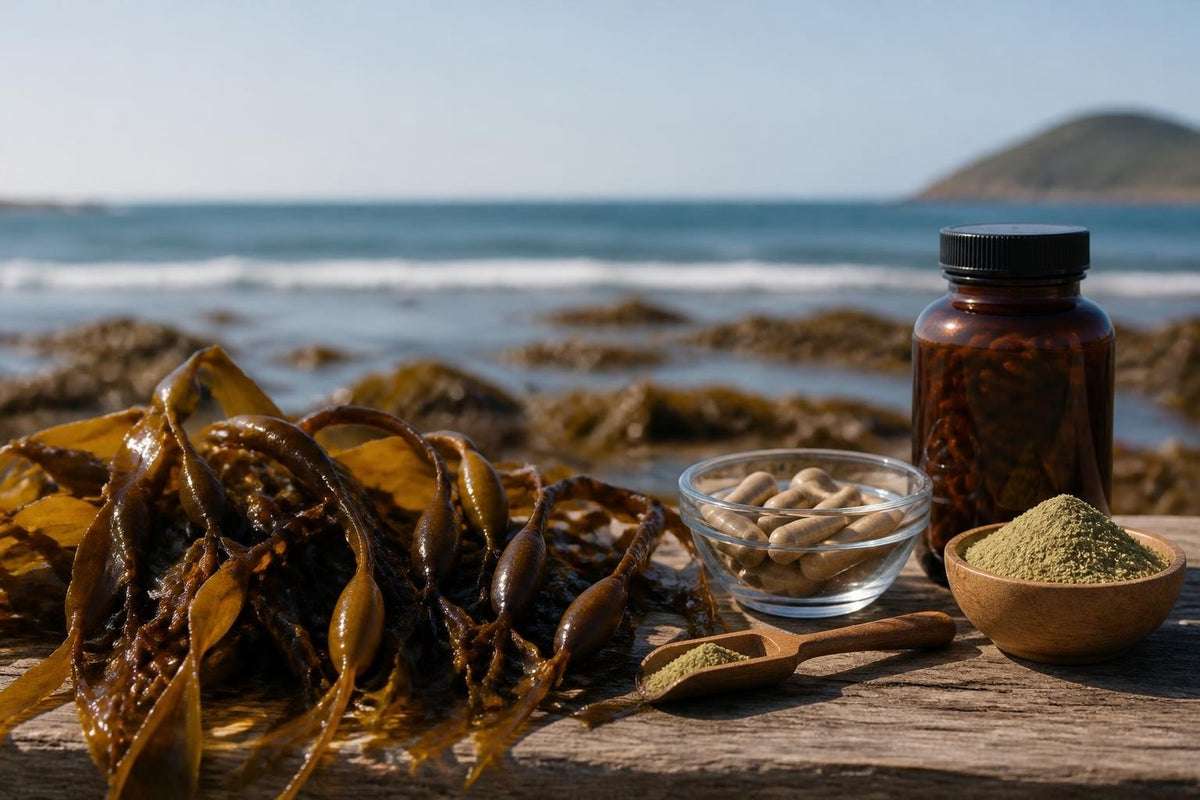
I still remember the first time I held a piece of dried kelp from Indonesia's waters. The leathery frond felt ancient in my hands, like holding a piece of the ocean itself. For coastal communities across Southeast Asia, this wasn't exotic or unusual. It was medicine, food, and livelihood woven into daily life for generations. Today, that traditional wisdom has found new expression in modern wellness through sea kelp supplement products that bring ocean nutrition to people far from shore.
The Ocean's Nutritional Powerhouse
When you pick up a sea kelp supplement bottle, you're holding more than compressed powder or capsules. You're connecting to vast underwater forests that sway with ocean currents, filtering nutrients from seawater day after day.
Kelp belongs to the brown algae family, thriving in cold, nutrient-rich waters along rocky coastlines. According to NOAA Ocean Service, these marine plants can grow up to two feet per day under ideal conditions, creating dense underwater canopies that support entire ecosystems. That rapid growth translates to remarkable nutrient concentration, making kelp one of nature's most efficient biological factories.
What Makes Kelp Nutritionally Unique
The mineral profile of a quality sea kelp supplement reads like a comprehensive multivitamin designed by the ocean itself:
- Iodine - the standout mineral that sets kelp apart from land-based foods
- Iron - supporting oxygen transport and energy production
- Calcium - building blocks for bones and teeth
- Magnesium - crucial for hundreds of enzymatic reactions
- Potassium - balancing cellular fluid and supporting heart function
- Folate - essential for cell division and DNA synthesis
Beyond minerals, kelp contains fucoidan and alginate, polysaccharides that researchers have studied for their potential antioxidant and prebiotic properties. Just as seaweed has become valued in natural body care formulations, kelp's bioactive compounds offer benefits both inside and outside the body.
The Thyroid Connection Everyone Talks About
Walk into any health food store and mention kelp, and someone will immediately bring up thyroid health. This connection isn't marketing hype. It's biochemistry.
Your thyroid gland, that butterfly-shaped organ at the base of your neck, requires iodine to produce hormones that regulate metabolism, energy levels, body temperature, and countless other functions. Without adequate iodine, your thyroid simply cannot do its job.
A randomized, double-blind study published in PMC examined daily Laminaria (kelp) intake and its effects on thyroid hormone levels and body composition. The research highlighted how kelp supplementation influences thyroid function, underscoring both the potential and the need for measured intake.
Finding the Iodine Sweet Spot
Here's where the kelp story becomes more nuanced. One gram of dried kelp can contain anywhere from 16 micrograms to over 8,000 micrograms of iodine, depending on species, growing location, and harvesting season. The recommended daily intake for adults? Just 150 micrograms.
This variability matters enormously. Too little iodine causes hypothyroidism; too much can trigger hyperthyroidism or autoimmune thyroid conditions. It's the Goldilocks principle applied to nutrition.
| Iodine Intake Level | Daily Amount | Potential Effects |
|---|---|---|
| Recommended Daily Intake | 150 mcg | Supports normal thyroid function |
| Upper Tolerable Limit | 1,100 mcg | Maximum considered safe for most adults |
| Excessive Intake | >1,100 mcg | Risk of thyroid dysfunction, autoimmune issues |
Quality sea kelp supplement manufacturers address this by standardizing iodine content, testing each batch, and providing clear dosing guidelines. Similar to how natural body care products benefit from consistent ingredient quality, supplement users deserve reliable potency.
Beyond Thyroid: Kelp's Broader Wellness Story
The iodine narrative dominates kelp discussions, but that singular focus overlooks the fuller picture. Traditional medicine systems across Asia have prescribed kelp for digestive health, skin conditions, and general vitality for centuries, long before anyone understood thyroid biochemistry.
Modern research has begun catching up to this traditional knowledge, exploring kelp's potential in several areas:
Metabolic Support
The same compounds that support thyroid function may influence metabolism more broadly. Some studies suggest kelp extracts might affect how the body processes fats and sugars, though research remains preliminary. What we know for certain is that healthy thyroid function itself supports metabolic balance.
Antioxidant Activity
Fucoxanthin, a carotenoid pigment that gives brown seaweed its color, has demonstrated antioxidant properties in laboratory studies. While eating kelp won't turn you into a superhero, these compounds contribute to the body's defense against oxidative stress, the cellular wear-and-tear linked to aging and chronic disease.
Gut Health Connections
The alginate fibers in kelp act as prebiotics, feeding beneficial gut bacteria. A healthy microbiome influences everything from immune function to mood regulation. It's another reminder that wellness rarely stems from a single "magic bullet" nutrient but rather from the synergistic effects of whole foods and their components.
The Sustainability Question We Must Address
Here's a truth that matters: not all kelp harvesting practices honor the ocean ecosystems that produce this remarkable resource. As demand for sea kelp supplement products grows globally, so does pressure on wild kelp forests.
NOAA Fisheries documents how kelp forests provide critical habitat for hundreds of species, from tiny invertebrates to sea otters and fish. When harvesting strips these forests faster than they can regenerate, entire marine communities suffer.
What Sustainable Kelp Harvesting Looks Like
Responsible kelp suppliers follow several key practices:
- Rotational harvesting - moving between areas to allow recovery time
- Canopy trimming - cutting only the upper portions while leaving holdfasts intact
- Seasonal restrictions - avoiding harvest during peak reproductive periods
- Aquaculture integration - cultivating kelp on offshore farms rather than relying solely on wild populations
Indonesia's coastal communities, with their deep connection to marine resources, understand this balance instinctively. Just as naturalē's approach to coconut and other coastal ingredients emphasizes sustainability and community benefit, quality kelp sourcing requires the same ethical framework.
Working with suppliers who invest in coastal communities creates a positive feedback loop. Local harvesters who benefit fairly from kelp resources have every incentive to protect those resources for future generations.
Navigating Quality and Safety Concerns
The ocean absorbs everything. That's both kelp's strength and its potential weakness as a supplement source. Heavy metals, arsenic compounds, and other contaminants present in seawater accumulate in marine plants.
According to EFSA's risk assessment on complex organoarsenic species in food, seaweeds can contain various forms of arsenic, some more toxic than others. While organic arsenic compounds in seaweed are generally less concerning than inorganic forms, the presence of any contaminants demands rigorous testing.
What Third-Party Testing Reveals
ConsumerLab's independent testing of kelp supplements has revealed significant variation in quality. Some products contained arsenic levels exceeding safety thresholds, while others delivered less iodine than their labels claimed.
When evaluating a sea kelp supplement, look for:
- Third-party testing certification (USP, NSF, ConsumerLab)
- Clear disclosure of iodine content per serving
- Heavy metal testing results
- Harvesting location transparency
- Batch-specific certificates of analysis
| Quality Indicator | What to Look For | Red Flags |
|---|---|---|
| Testing | Third-party certification visible on label | No mention of testing or verification |
| Iodine Content | Specific mcg amount per serving | Vague terms like "natural levels" |
| Source | Named ocean region or aquaculture facility | "Sourced globally" or no location |
| Contaminants | Published test results for heavy metals | No contamination information provided |
This level of transparency mirrors what consumers increasingly expect from all natural products. The same scrutiny applied to herbal extracts or essential oils should extend to marine-sourced supplements.
Making Kelp Work for Your Wellness Routine
Integrating a sea kelp supplement into your daily routine requires more intention than simply swallowing a capsule with breakfast. Your individual needs, existing health conditions, and other supplements all factor into whether kelp makes sense for you.
Who Benefits Most from Kelp Supplementation
Certain populations may find particular value in sea kelp supplement products:
People with iodine deficiency - Those living far from coastal areas who don't regularly consume seafood or iodized salt may have borderline or deficient iodine levels. Kelp offers a concentrated plant-based source.
Vegetarians and vegans - Plant-based diets naturally provide less iodine than omnivorous diets that include fish and dairy. Kelp bridges that gap without animal products.
Individuals seeking mineral diversity - Beyond iodine, kelp's broad mineral spectrum supports overall nutritional adequacy, particularly for those eating minimally processed whole foods diets that may lack fortified products.
When Kelp Isn't the Answer
Equally important is recognizing when kelp supplementation poses more risk than benefit:
- Existing thyroid conditions - Anyone with hyperthyroidism, Hashimoto's disease, or other thyroid disorders should consult their healthcare provider before taking kelp. The iodine content can exacerbate certain conditions.
- Pregnancy and breastfeeding - While iodine needs increase during pregnancy, the variable iodine content in kelp makes it difficult to ensure appropriate intake without excess.
- Medication interactions - Kelp can interfere with thyroid medications, blood thinners, and certain other pharmaceuticals.
Healthline's overview of kelp nutrition provides accessible, medically reviewed information about both benefits and considerations, helping consumers make informed decisions.

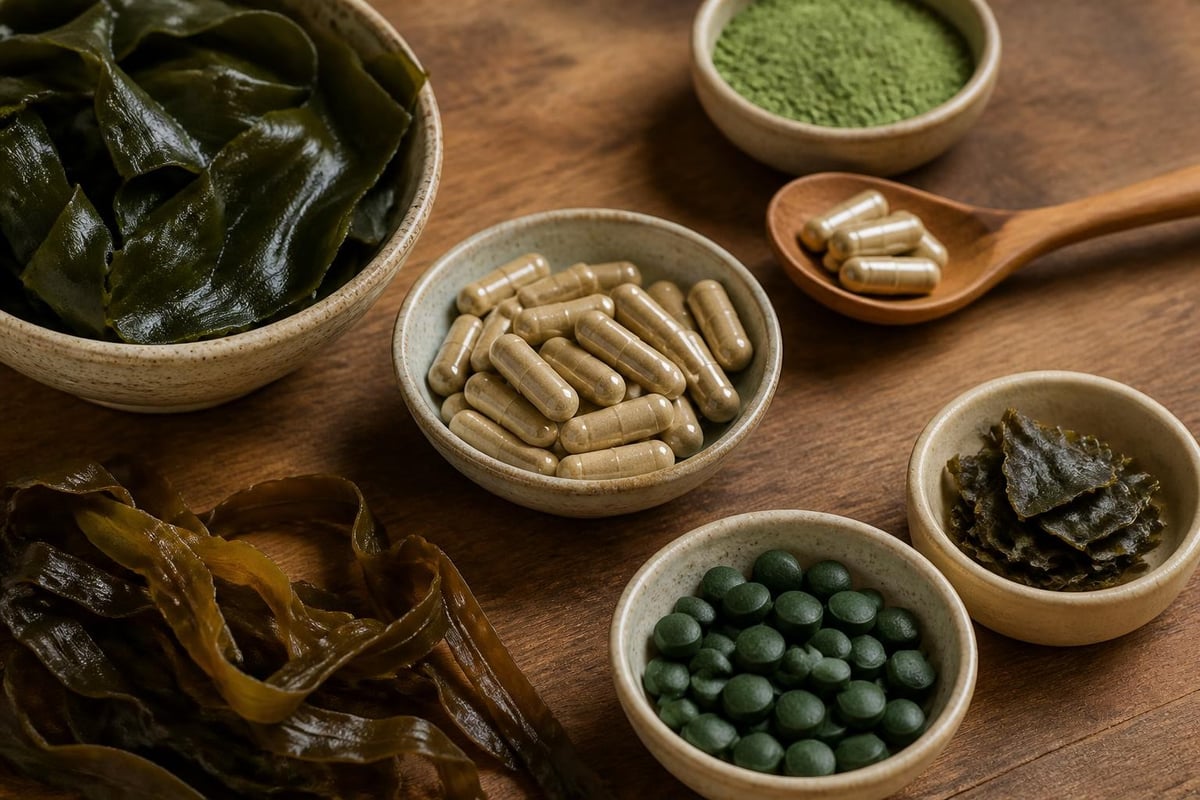
The Form Factor: Capsules, Powders, and Whole Kelp
Sea kelp supplement products come in various forms, each with distinct advantages. Your choice depends on preference, lifestyle, and how you want to use kelp.
Capsules and Tablets
Convenience defines this category. Pre-measured doses eliminate guesswork, and the encapsulated form masks kelp's ocean-strong taste. For people taking supplements on the go or those sensitive to seaweed flavor, capsules offer the path of least resistance.
The tradeoff? Less flexibility in dosing and no opportunity to incorporate kelp into foods.
Powdered Kelp
Versatility is the powder advantage. Mix it into smoothies, sprinkle on salads, blend into soups, or even incorporate into homemade skincare masks. Powdered kelp allows precise dose adjustment and creative culinary applications.
Some people enjoy the ritual of measuring and mixing, feeling more connected to what they're consuming. Others find it one more thing to think about in busy mornings. Know yourself when choosing format.
Whole Dried Kelp
For the adventurous and those who grew up with seaweed in their cuisine, whole dried kelp brings maximum authenticity. Rehydrate it for salads, simmer in broths, or grind your own powder in a spice grinder.
This form requires the most preparation but offers complete control over processing and usage. You see exactly what you're getting, no mysterious ingredients lists required.
Kelp in the Broader Context of Marine Wellness
The growing interest in sea kelp supplement products reflects a larger cultural shift toward marine-sourced wellness ingredients. From fish oil to spirulina to sea minerals, people are rediscovering what coastal communities have always known: the ocean holds profound nutritional wisdom.
This trend aligns beautifully with sustainable approaches to natural products. Indonesia's archipelagic geography creates unique opportunities to work with marine ingredients responsibly, supporting both ecosystem health and community livelihoods.
Consider how naturalē's collections draw from coastal resources like coconut, creating products that honor traditional knowledge while meeting modern sustainability standards. The same principles that guide coconut oil or salt scrub production can extend to kelp and other seaweeds.
Building an Ocean-Conscious Wellness Approach
Incorporating sea kelp supplements thoughtfully means considering:
- Source transparency - knowing where and how your kelp was harvested
- Quality verification - insisting on tested, certified products
- Appropriate dosing - respecting the power of concentrated marine nutrients
- Ecosystem awareness - choosing suppliers who protect kelp forest habitats
- Community impact - supporting companies that benefit coastal harvesters fairly
This holistic perspective transforms supplementation from simple pill-popping into a mindful practice that connects personal wellness with planetary health.
Dosing Guidelines and Practical Considerations
Starting any new supplement requires a measured approach, and kelp particularly demands respect for its potency. Most quality sea kelp supplement products provide 150-300 micrograms of iodine per serving, roughly matching or slightly exceeding the recommended daily intake.
Begin conservatively. If a product suggests one capsule daily, start with one capsule every other day for the first week. Monitor how you feel. Some people notice increased energy or improved cold tolerance as thyroid function optimizes. Others notice nothing dramatic, which is also fine.
Signs You're Taking Too Much
Excessive iodine intake from kelp supplements can manifest in several ways:
- Metallic taste in mouth
- Increased heart rate
- Anxiety or restlessness
- Insomnia
- Unexplained weight changes
- Thyroid swelling or tenderness
If you experience any of these symptoms, discontinue use and consult a healthcare provider. Blood tests can assess thyroid hormone levels and iodine status objectively.
Timing and Absorption
Take kelp supplements with food to minimize any potential stomach upset. The minerals absorb better alongside fats and proteins, making breakfast or lunch ideal timing for most people.
Consistency matters more than perfection. Whether you take your sea kelp supplement daily or several times weekly, establishing a routine helps you track effects and maintain appropriate intake.
The Future of Kelp in Wellness Culture
As we navigate 2026, the wellness industry continues evolving toward transparency, sustainability, and scientific validation. Sea kelp supplement products sit at this intersection, offering both ancient traditional use and emerging research evidence.
The challenge ahead involves scaling kelp production and supplementation responsibly. Can growing global demand be met without degrading wild kelp forests? Can aquaculture operations achieve sustainability certifications that protect water quality and marine biodiversity?
Indonesia's position as both a marine biodiversity hotspot and a developing economy presents unique opportunities. Coastal communities with traditional ecological knowledge can lead in sustainable kelp cultivation and harvesting, creating livelihoods while preserving ocean health.
Innovation in Kelp Processing
New technologies are improving how kelp gets processed into supplements. Gentle drying methods preserve heat-sensitive compounds. Advanced testing detects contaminants at parts-per-billion levels. Standardization techniques ensure consistent iodine content across batches.
These innovations make sea kelp supplements safer and more reliable than ever, though they also require investment that must be balanced with fair pricing for harvesters and affordable access for consumers.
Integrating Kelp Into Holistic Self-Care
The most effective wellness practices rarely exist in isolation. A sea kelp supplement works best as part of a broader commitment to nourishment, whether through whole foods nutrition, adequate sleep, stress management, or mindful movement.
Think of kelp as one thread in a larger tapestry. It provides specific nutrients, particularly iodine, that support thyroid function and overall vitality. But no supplement, however nutrient-dense, can compensate for fundamentally unhealthy lifestyle patterns.
This integrated perspective aligns with how natural bodycare works too. The best body care products nourish skin from the outside while healthy nutrition supports it from within. External and internal care complement each other, creating synergistic benefits neither achieves alone.
The Ritual of Supplementation
There's something powerful about the daily ritual of taking supplements mindfully. Rather than rushing through the motion, take a moment. Consider the kelp forest that produced this concentrated nutrition. Acknowledge the harvesters who gathered it, the testers who verified its purity, the ocean ecosystem that sustained it all.
This mindfulness practice transforms supplementation from checkbox task into conscious self-care, strengthening your connection to both your body and the natural world that sustains it.
Sea kelp supplements offer a direct connection to ocean nutrition, providing concentrated minerals and bioactive compounds that support thyroid health and overall wellness when chosen and used wisely. As with all natural products, quality, sustainability, and mindful consumption make the difference between beneficial supplementation and wasted potential. At naturalē, we understand the importance of sourcing natural ingredients responsibly from coastal ecosystems, honoring both traditional wisdom and modern sustainability standards to create products that nourish people while protecting the environments we depend on.


