

Cart
0

I remember the first time my grandmother told me about the sea's healing properties. She'd wade into the warm Indonesian waters every morning, claiming the ocean's minerals brought her peace. Years later, I discovered she wasn't just being poetic. Those minerals, particularly magnesium absorbed through her skin, were genuinely supporting her calm disposition. Today, we understand this connection better than ever, especially when it comes to supplemental forms like calm magnesium citrate. This highly bioavailable compound has become a cornerstone in natural wellness, offering a science-backed pathway to relaxation that honors the wisdom of traditional practices while meeting modern needs.
Understanding Magnesium Citrate and Its Calming Properties
Magnesium citrate represents one of nature's most elegant solutions to a widespread modern problem. In our fast-paced world, magnesium deficiency has become increasingly common, affecting an estimated 50% of adults in Western nations. This essential mineral plays roles in over 300 enzymatic reactions throughout the body, but its influence on our nervous system deserves special attention.
The "calm" association with magnesium citrate isn't marketing hype. Magnesium's mechanisms in the nervous system involve modulating neurotransmitter release and regulating the hypothalamic-pituitary-adrenal (HPA) axis, our body's central stress response system. When magnesium levels fall below optimal ranges, this entire cascade becomes dysregulated.
Why Citrate Makes a Difference
Not all magnesium supplements work equally. The citrate form combines magnesium with citric acid, creating a compound that dissolves readily in water and absorbs efficiently through the intestinal wall. Bioavailability matters tremendously when you're seeking therapeutic benefits.
According to research from the Linus Pauling Institute at Oregon State University, magnesium citrate demonstrates superior absorption compared to oxide forms, which are poorly absorbed and often cause digestive upset. This distinction becomes crucial when you're using calm magnesium citrate for its intended purpose: supporting relaxation and nervous system health.
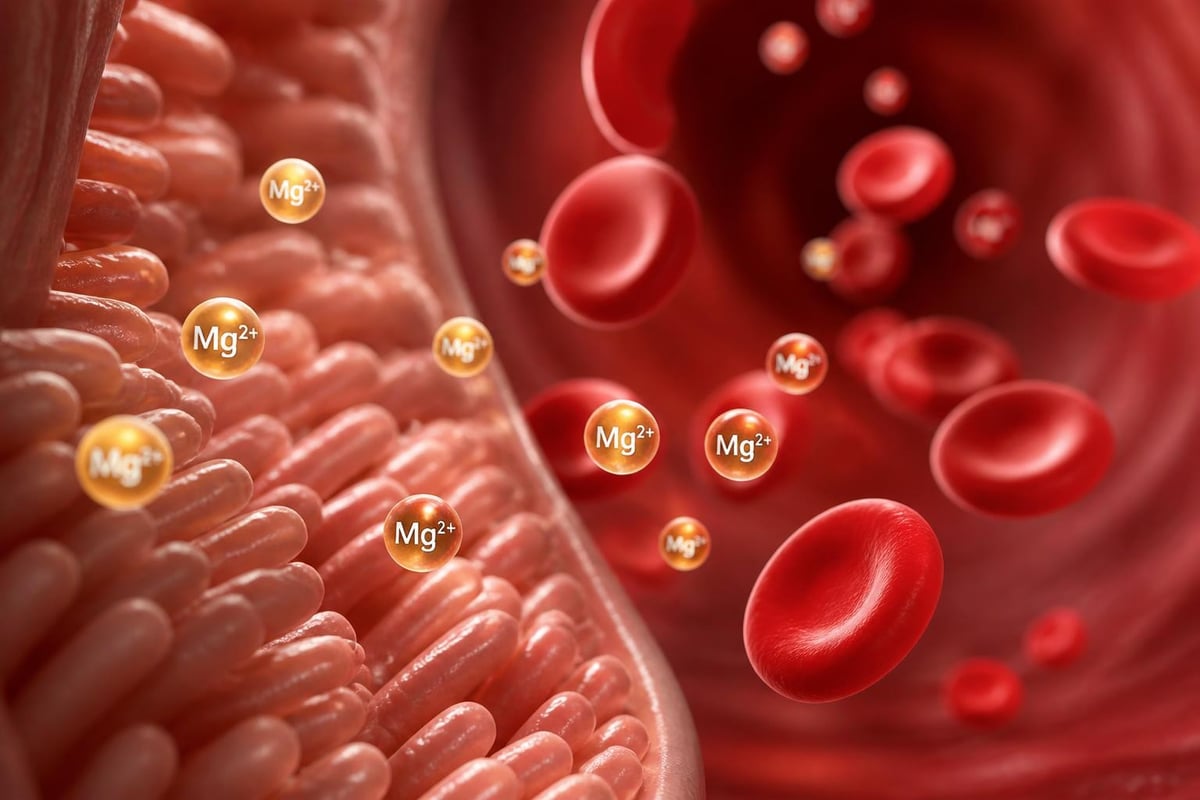
The citrate carrier itself brings additional benefits. Citric acid participates in the Krebs cycle, our cellular energy production system, potentially offering complementary metabolic support. This makes calm magnesium citrate a dual-action supplement in the truest sense.
The Science Behind Magnesium's Calming Effects
Walking through the villages along Indonesia's coast, I've watched artisans work with remarkable patience and focus. Their ability to remain centered amid demanding handcraft work reflects not just practice, but physiological balance. Magnesium plays an unsung role in this kind of sustained calm.
At the cellular level, magnesium acts as a natural antagonist to calcium in nerve cells. While calcium excites neurons, triggering them to fire, magnesium provides the counterbalance. This regulation prevents overstimulation and excessive nerve firing, the biological underpinning of anxiety and tension.
Key mechanisms include:
- GABA receptor modulation: Magnesium binds to and activates GABA receptors, the brain's primary inhibitory neurotransmitter system
- NMDA receptor regulation: Blocking excessive glutamate activity that contributes to neuronal excitation
- Cortisol modulation: Helping normalize stress hormone production
- Muscle relaxation: Facilitating calcium reuptake in muscle cells, allowing physical tension release
Research examining magnesium's role in sleep disorders demonstrates these mechanisms translate into real-world benefits. The mineral influences sleep quality through multiple pathways, from melatonin regulation to thermoregulation, the subtle drop in core body temperature that signals sleep onset.
Clinical Evidence and Real-World Outcomes
A systematic review of magnesium supplementation found consistent improvements in self-reported anxiety and sleep quality across multiple trials. Participants taking magnesium supplements, including calm magnesium citrate formulations, reported falling asleep faster, experiencing fewer nighttime awakenings, and feeling more refreshed upon waking.
The effect sizes weren't dramatic, but they were reliable and free from the dependency issues plaguing conventional sleep medications. This aligns perfectly with naturalē's philosophy of gentle, sustainable wellness rooted in natural ingredients rather than aggressive pharmaceutical intervention.
| Benefit Category | Mechanism | Typical Timeline |
|---|---|---|
| Muscle relaxation | Calcium-magnesium balance | 1-2 weeks |
| Improved sleep onset | GABA activation, melatonin support | 2-4 weeks |
| Reduced anxiety | HPA axis regulation | 3-6 weeks |
| Cognitive clarity | Reduced neuroinflammation | 4-8 weeks |
Choosing and Using Calm Magnesium Citrate
Quality matters profoundly when selecting supplements. The naturalē approach to handcrafted, carefully sourced products applies equally to choosing calm magnesium citrate. Not all supplements deliver what their labels promise.
Independent testing through organizations like ConsumerLab reveals concerning variability in supplement quality. Some products contain less magnesium than claimed, while others harbor contaminants including heavy metals. Third-party verification provides essential peace of mind.
Dosage Considerations
The recommended dietary allowance (RDA) for magnesium varies by age and gender:
- Adult men: 400-420 mg daily
- Adult women: 310-320 mg daily
- Pregnant women: 350-360 mg daily
For calm magnesium citrate used therapeutically, doses typically range from 200-400 mg of elemental magnesium taken in the evening. Start low and increase gradually, as individual tolerance varies significantly.
Important distinction: Product labels show total compound weight versus elemental magnesium. Magnesium citrate is only about 16% elemental magnesium by weight, so a 500 mg capsule provides approximately 80 mg of actual magnesium. Read labels carefully.

Form and Timing Strategies
Calm magnesium citrate comes in several presentations:
- Powder formulations: Dissolve in water, often flavored, rapid absorption
- Capsules: Convenient, precise dosing, no taste considerations
- Tablets: Economical, longer shelf life, may include binders
Taking calm magnesium citrate in the evening, about 30-60 minutes before bed, optimizes its relaxation benefits. The compound's mild laxative effect, while useful for some, means timing matters if you're primarily seeking nervous system support rather than digestive benefits.
Pairing your supplement routine with calming rituals amplifies the effect. Just as naturalē's handmade natural soap transforms bathing into a mindful practice, combining calm magnesium citrate with meditation, gentle stretching, or journaling creates a synergistic relaxation protocol.
Natural Magnesium Sources and Holistic Approaches
Supplementation works best within a broader wellness context. The World Health Organization emphasizes that micronutrients function optimally when obtained from diverse dietary sources alongside supplementation when needed.
Indonesia's traditional diet provides inspiration here. Coconut, a cornerstone of naturalē's wellness offerings, contains modest magnesium alongside healthy fats that support absorption. Dark leafy greens, nuts, seeds, and whole grains provide substantial quantities.
Dietary Sources Worth Emphasizing
Magnesium-rich foods include:
- Pumpkin seeds: 150 mg per ounce
- Spinach (cooked): 157 mg per cup
- Dark chocolate (70-85% cacao): 95 mg per ounce
- Black beans: 120 mg per cup
- Almonds: 80 mg per ounce
- Avocado: 58 mg per fruit
Soil depletion and modern agricultural practices have reduced mineral content in many crops, making even health-conscious eaters vulnerable to deficiency. This reality doesn't negate dietary efforts but contextualizes why calm magnesium citrate supplementation has become increasingly relevant.
Topical magnesium absorption offers another pathway. Epsom salt baths, magnesium oil applications, and even ocean swimming provide transdermal delivery. The Indonesian coastal communities where naturalē operates have long recognized seawater's therapeutic properties, a practice modern research increasingly validates.
Potential Interactions and Considerations
Transparency about limitations matters as much as celebrating benefits. Calm magnesium citrate, while generally safe, requires thoughtful integration for certain populations.
Gastrointestinal sensitivity tops the concern list. The citrate form's laxative effect benefits those with occasional constipation but may prove problematic for individuals with sensitive digestion or inflammatory bowel conditions. Dividing doses throughout the day or switching to magnesium glycinate can help.
Medication and Supplement Interactions
Magnesium can interact with several medication classes:
- Antibiotics: Particularly tetracyclines and fluoroquinolones, which bind to magnesium and reduce absorption of both compounds
- Bisphosphonates: Osteoporosis medications that require separation from magnesium by at least two hours
- Proton pump inhibitors: Ironically, these reduce magnesium absorption while treating reflux
- Diuretics: May increase or decrease magnesium levels depending on the specific type
People with kidney disease require medical supervision when using calm magnesium citrate, as impaired kidney function prevents proper magnesium excretion, potentially leading to dangerous accumulation.

Pregnant and nursing women should consult healthcare providers before beginning supplementation, though magnesium needs increase during pregnancy and deficiency correlates with complications. The calculus involves balancing needs against prudent caution.
Integrating Calm Magnesium Citrate Into a Natural Lifestyle
The most effective wellness practices feel less like interventions and more like natural rhythms. I think about the women in naturalē's coastal communities, whose daily routines seamlessly incorporate practices that modern research now validates. Their approach to calm magnesium citrate would honor both tradition and innovation.
Start by assessing your baseline. Do you experience frequent muscle cramps, particularly at night? Difficulty unwinding in the evening? Restless sleep? These subtle signals often indicate suboptimal magnesium status before more obvious deficiency symptoms emerge.
Creating Your Personal Protocol
Step 1: Establish your baseline Track sleep quality, stress levels, and physical tension for one week before starting supplementation. This creates comparison data.
Step 2: Source quality product Choose calm magnesium citrate from manufacturers who provide third-party testing certificates and clear elemental magnesium content.
Step 3: Start conservatively Begin with 100-150 mg elemental magnesium taken with dinner, monitoring digestive response.
Step 4: Optimize timing Shift timing based on your primary goal (sleep support: 60 minutes pre-bed; general calm: split between lunch and dinner).
Step 5: Build supporting practices Combine supplementation with stress-reduction techniques, adequate hydration, and whole-food magnesium sources.
The naturalē commitment to sustainability and holistic wellbeing suggests an approach where calm magnesium citrate complements rather than replaces foundational practices. Evening wind-down rituals using natural body care products, mindful breathing, and digital sunset create the environment where magnesium's benefits fully manifest.
Measuring Success and Adjusting Your Approach
Unlike pharmaceutical interventions with dramatic, immediate effects, calm magnesium citrate works subtly. Success metrics require attention to patterns rather than single experiences.
After four to six weeks of consistent use, evaluate:
- Sleep architecture: Are you falling asleep within 20-30 minutes? Waking less frequently? Feeling restored upon waking?
- Stress resilience: Do daily annoyances feel less overwhelming? Is your window of tolerance for frustration wider?
- Physical tension: Have chronic tight shoulders or jaw clenching diminished?
- Energy patterns: Do you avoid the 3 PM crash? Maintain steadier energy throughout the day?
Honest assessment sometimes reveals the need for adjustment. Digestive upset suggests reducing dose or trying magnesium glycinate. Persistent sleep difficulties might indicate issues beyond magnesium deficiency, warranting professional evaluation.
Laboratory testing provides objective data. Serum magnesium tests have limitations, as they don't reflect intracellular stores where most magnesium resides. Red blood cell magnesium offers better accuracy but costs more and isn't universally available. Research on magnesium supplementation and monitoring suggests functional markers like improvements in symptoms often prove more relevant than laboratory values for otherwise healthy individuals.
| Assessment Method | What It Measures | Pros | Cons |
|---|---|---|---|
| Symptom tracking | Subjective wellbeing | Free, immediate, relevant | Subject to placebo, other variables |
| Serum magnesium | Blood levels | Inexpensive, accessible | Poor reflection of total body stores |
| RBC magnesium | Intracellular levels | Better accuracy | Expensive, limited availability |
| 24-hour urine collection | Excretion patterns | Functional measure | Inconvenient, affected by recent intake |
The goal isn't achieving perfect numbers but supporting your body's natural capacity for calm and resilience. This patient, observant approach mirrors the craftsmanship evident in naturalē's handcrafted products, where quality emerges from attention to detail rather than rushed mass production.
Long-Term Sustainability and Lifestyle Integration
Six months into using calm magnesium citrate consistently, many people report it's become as automatic as brushing teeth. This integration represents the sweet spot where supplementation supports wellbeing without becoming burdensome.
Cycling strategies offer one approach. Some practitioners recommend taking weekends off every few months to prevent dependency, though magnesium doesn't create true dependency like habit-forming substances. Others maintain consistent daily use indefinitely, viewing it like dietary fiber or vitamin D supplementation.
Your choice should reflect your unique situation. Those with documented deficiency or chronic stress might benefit from continuous use. People seeking occasional support during high-stress periods might use calm magnesium citrate more strategically.
Pairing your supplement routine with other natural wellness practices creates resilience that transcends any single intervention. The same mindset that draws you to calm magnesium citrate likely appreciates naturalē's natural body oil for nourishing skin or wild beeswax candles for creating calming environments. These complementary practices compound their benefits.
Environmental considerations matter too. Choose brands using recyclable packaging and sustainable sourcing. The magnesium industry's environmental footprint varies significantly by extraction method and manufacturer ethics. Align your purchasing with values that extend beyond personal benefit to planetary wellbeing.
Calm magnesium citrate offers a scientifically-validated pathway to supporting your body's natural relaxation systems, combining traditional wisdom about mineral nutrition with modern bioavailability science. While sourcing quality matters and individual responses vary, this gentle supplement can meaningfully contribute to better sleep, reduced tension, and improved stress resilience when integrated thoughtfully into a holistic wellness practice. At naturalē, we understand that true wellbeing emerges from respecting both your body's needs and the earth's resources, creating sustainable rituals that nourish you while honoring the natural world that sustains us all.


