

Cart
0
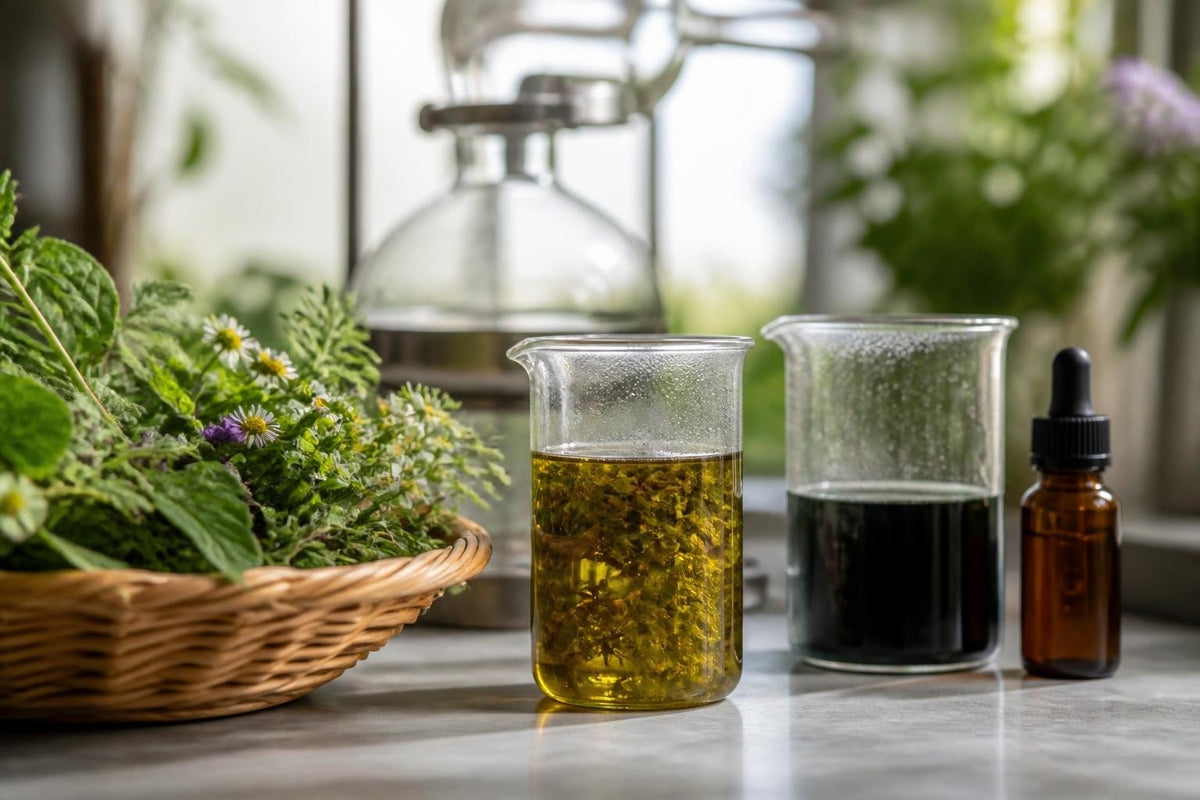
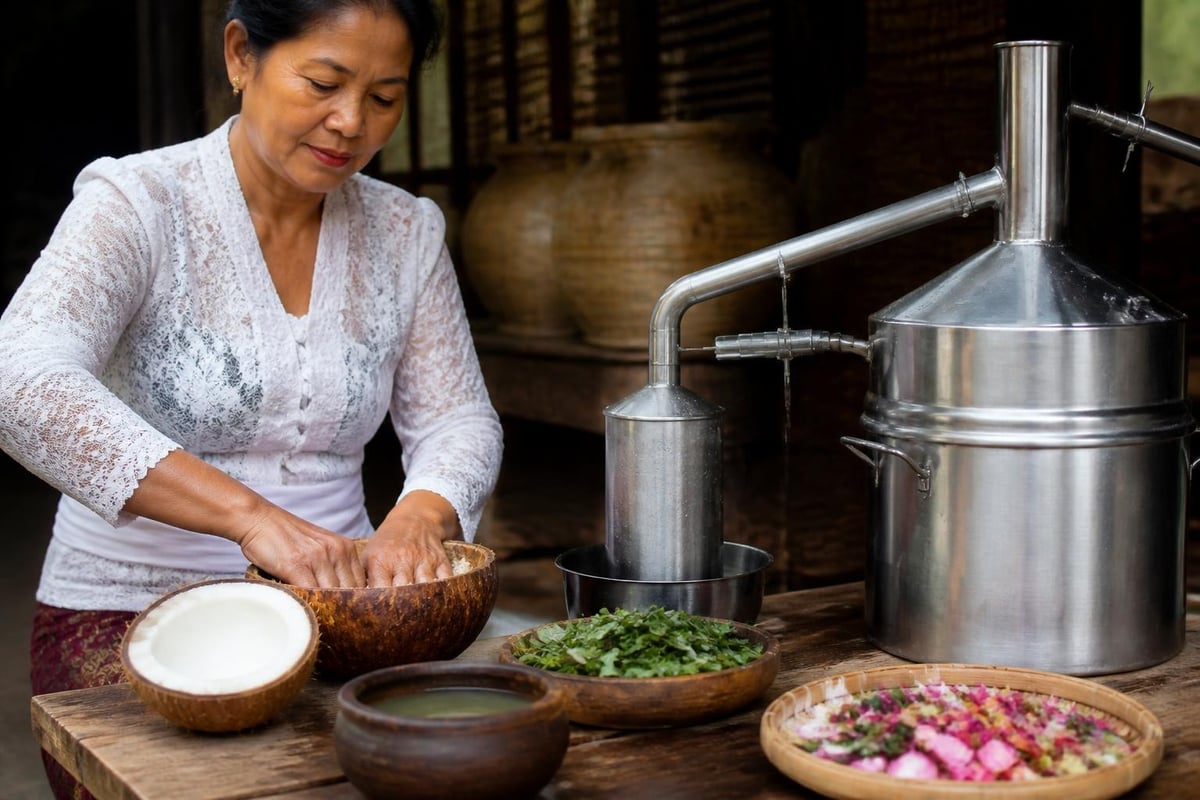
I still remember the first time I watched a local herbalist in Bali carefully prepare a traditional plant infusion. She ground fresh turmeric root with practiced hands, explaining how her grandmother taught her that the real power of plants lies not just in using them whole, but in knowing how to unlock their concentrated essences. That moment stayed with me because it perfectly captures what herbal extract truly represents: centuries of traditional knowledge meeting modern understanding of how to harness nature's most potent compounds. For those of us creating natural bodycare products, understanding these concentrated plant essences isn't just about formulation-it's about respecting both ancient wisdom and the science that helps us deliver genuine benefits to people seeking cleaner, more effective alternatives.
Understanding Herbal Extract and Its Traditional Roots
An herbal extract represents the concentrated active compounds drawn from plant material through various methods that separate beneficial components from the raw botanical source. Think of it as capturing the plant's essence in its most powerful form.
Traditional communities across Indonesia have practiced extraction for generations, though they might not have called it by that name. Women in coastal villages would simmer medicinal leaves in coconut oil for days, creating potent infusions used for everything from wound healing to skin protection. These time-honored methods laid the groundwork for what we now understand scientifically.
The Science Behind Concentration
The magic of herbal extract lies in its ability to deliver higher concentrations of active compounds than you'd get from using the whole plant. When we extract, we're essentially removing water, fiber, and other non-active components while preserving and concentrating the beneficial phytochemicals.
Different plants require different approaches:
- Lipophilic compounds (fat-soluble) extract best in oils or alcohol
- Hydrophilic compounds (water-soluble) release into water-based solutions
- Volatile compounds require gentle, low-temperature methods
- Heat-stable compounds can withstand more aggressive processing
The global perspective on herbal medicines shows how different cultures have developed unique extraction wisdom based on local plants and available resources.
Traditional Extraction Methods Still Used Today
Walking through naturalē's production areas, you'll see modern equipment working alongside techniques that haven't changed in centuries. There's profound wisdom in these traditional approaches.
Cold-Pressing and Oil Infusion
Cold-pressing remains one of the purest extraction methods, particularly for oil-rich plants like coconut. At naturalē, this traditional approach preserves delicate compounds that heat might destroy. The process involves mechanical pressure without added heat, maintaining the integrity of beneficial fatty acids and phytochemicals.
Oil infusion, another ancient technique, involves steeping plant material in carrier oils over extended periods. This gentle method creates herbal extract products perfect for skincare applications, particularly when working with flowers, roots, and leaves that release their compounds slowly.
| Extraction Method | Best For | Time Required | Compound Preservation |
|---|---|---|---|
| Cold-pressing | Seeds, nuts, fruits | Hours | Excellent for heat-sensitive compounds |
| Oil infusion | Flowers, leaves, roots | Days to weeks | Good for lipophilic compounds |
| Water decoction | Barks, roots, dried herbs | 1-3 hours | Best for water-soluble compounds |
| Alcohol tincture | Wide variety of plants | 2-6 weeks | Excellent broad-spectrum extraction |
Steam Distillation for Essential Compounds
Steam distillation has been used for centuries to capture volatile aromatic compounds. This method passes steam through plant material, carrying away essential oils and other volatile compounds that condense back into liquid form. The resulting herbal extract contains highly concentrated aromatic and therapeutic compounds.
In Indonesia's spice islands, this technique has produced some of the world's finest essential oils for generations. The knowledge passed down through families about timing, temperature, and plant preparation makes all the difference in final product quality.
Modern Extraction Technologies
While traditional methods provide the foundation, modern science has expanded our ability to create more consistent and potent herbal extract products. Contemporary techniques offer precision and repeatability that help ensure every batch meets quality standards.
Solvent Extraction and Standardization
Solvent extraction uses food-grade alcohols or other approved solvents to pull specific compounds from plant material. This method allows formulators to target particular beneficial compounds while leaving behind unwanted elements. After extraction, the solvent evaporates, leaving concentrated plant compounds.
The regulatory guidelines for herbal preparations outline strict specifications for how manufacturers should test and standardize these extracts, ensuring consistency across batches.
Key advantages of modern extraction:
- Precise control over active compound concentration
- Reproducible results batch after batch
- Ability to remove potential irritants or allergens
- Extended shelf life through proper preservation
- Better integration into various product formulations
Supercritical CO2 Extraction
This cutting-edge technique uses carbon dioxide under specific pressure and temperature conditions to act as a solvent. When the pressure releases, the CO2 returns to gas form, leaving behind pure herbal extract without any solvent residue. It's expensive but produces exceptionally clean, potent extracts.
Quality Matters: Not All Extracts Are Created Equal
Here's where the story gets complicated. Walk into any ingredient supplier's office, and you'll find herbal extract options at wildly different price points. The cheapest option might seem tempting, but quality variations in this industry are substantial and consequential.
Source Material and Sustainable Harvesting
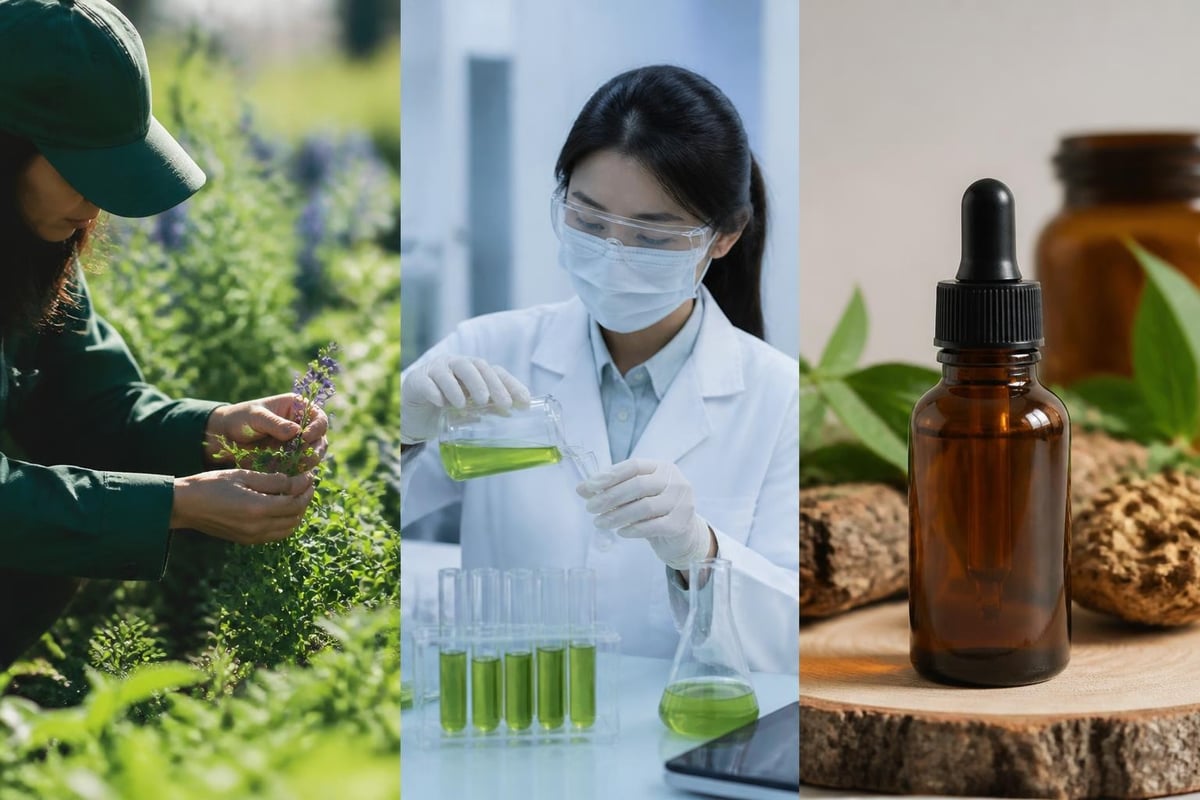
Everything starts with the plant itself. An herbal extract can only be as good as the botanical material used to create it. Plants grown in depleted soil or harvested at the wrong time won't contain optimal levels of beneficial compounds, no matter how sophisticated the extraction process.
At naturalē's production facilities, working directly with coastal communities means controlling quality from the ground up. Local harvesters know precisely when coconuts reach peak maturity for oil extraction, when specific leaves contain maximum beneficial compounds, and how to gather materials without damaging ecosystems.
Critical quality factors include:
- Plant species verification (avoiding adulteration)
- Growth conditions and soil quality
- Harvest timing and handling
- Proper drying and storage before extraction
- Absence of pesticides and contaminants
Testing and Standardization
Reputable herbal extract manufacturers test both raw materials and finished extracts for purity, potency, and safety. This includes screening for heavy metals, microbial contamination, and verifying active compound levels match label claims.
Recent research on safety and toxicity of medicinal plants emphasizes why rigorous testing protocols matter. Even natural compounds can cause adverse reactions if concentration exceeds safe levels or if contamination occurs during processing.
Herbal Extract in Natural Bodycare Formulations
Incorporating concentrated plant essences into bodycare products requires both artistry and technical knowledge. The right herbal extract can transform a basic formulation into something that delivers real, noticeable benefits.
Choosing Extracts for Different Applications
Different bodycare applications call for specific types of extracts. Water-based products like body wash and shampoo work best with glycerin-based or water-soluble herbal extract options. Oil-based products such as body oil and body butter incorporate oil-soluble extracts more effectively.
The extraction method affects not just what compounds you capture but how they'll behave in final formulations:
| Product Type | Preferred Extract Form | Common Botanicals | Key Benefits |
|---|---|---|---|
| Cleansers | Water-soluble, glycerin-based | Aloe, chamomile, green tea | Gentle cleansing, soothing |
| Moisturizers | Oil-soluble, CO2 extracts | Calendula, lavender, rosehip | Deep nourishment, repair |
| Body scrubs | Either form | Coffee, turmeric, papaya | Exfoliation, brightening |
| Hair care | Water and oil combinations | Candlenut, hibiscus, ginger | Strengthening, growth support |
Concentration and Efficacy
More isn't always better when formulating with herbal extract. Each botanical has an optimal usage rate where benefits maximize without causing sensitivity. Indonesian traditional handmade natural soap often incorporates local plant extracts at concentrations refined over generations of use.
Understanding extraction ratios helps formulators calculate appropriate usage levels. A 10:1 extraction ratio means ten parts of plant material produced one part of extract, indicating significant concentration. A 1:1 ratio indicates less concentration but potentially gentler action.
Safety, Interactions, and Responsible Use
Natural doesn't automatically mean safe for everyone. Responsible brands educate consumers about proper use and potential interactions, especially as herbal extract products become more potent and concentrated.
Common Safety Considerations
Even well-tolerated botanicals can cause reactions in some individuals. Patch testing new products containing concentrated herbal extract helps identify potential sensitivities before widespread application. Pregnant women, nursing mothers, and people with specific health conditions should consult healthcare providers before using products with potent botanical extracts.
The National Center for Complementary and Integrative Health's guidance on Boswellia exemplifies how even traditional herbal extract options require careful consideration of individual health circumstances and potential drug interactions.
Transparency in Labeling
Consumers deserve to know what's in their bodycare products and at what concentrations. Transparent brands list not just the herbal extract name but also the extraction method, the plant part used, and the concentration or ratio. This information helps consumers make informed choices and allows healthcare providers to give better advice.
When creating body care products, naturalē maintains detailed records of every botanical source and extraction process, ensuring full traceability from Indonesia's coastal communities to finished products.
Sustainability and Ethical Sourcing
The growing demand for herbal extract products creates both opportunities and risks for plant populations and traditional communities. Sustainable sourcing ensures these valuable botanicals remain available for future generations while supporting the people who've stewarded them for centuries.
Community-Based Harvesting Models
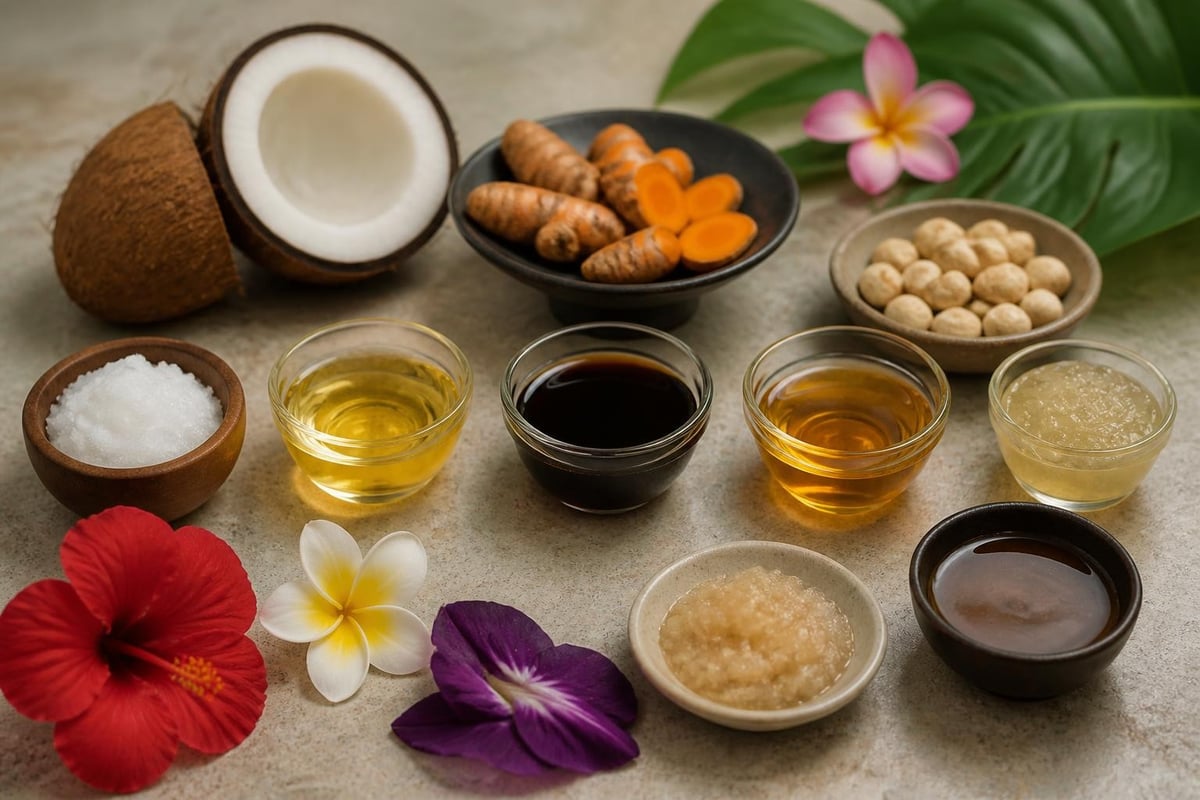
Working directly with local harvesters creates more sustainable supply chains than purchasing from anonymous commodity markets. When coastal Indonesian women harvest botanicals for extraction, they apply traditional ecological knowledge about sustainable gathering practices. They know not to overharvest, which plants regenerate quickly, and how to collect without damaging root systems or future growth.
This model also ensures fair compensation reaches the people doing the work. The mission-driven approach naturalē takes means economic benefits flow directly to coastal communities rather than being captured by multiple intermediaries.
Cultivation Versus Wild Harvesting
Some botanicals can be cultivated sustainably, reducing pressure on wild populations. Others grow best in wild conditions and resist domestication. Responsible sourcing programs assess each plant species individually, choosing cultivation when feasible and implementing strict wild-harvesting protocols when necessary.
Research from recent studies on natural products highlights how sustainable sourcing of medicinal plants requires balancing efficacy (wild plants often produce higher concentrations of active compounds) with conservation needs.
The Future of Herbal Extract Innovation
The herbal extract industry stands at an exciting crossroads where traditional knowledge meets advanced technology. New extraction methods, better testing capabilities, and deeper understanding of plant chemistry are opening possibilities that honor tradition while expanding what's achievable.
Emerging Technologies
Enzyme-assisted extraction, ultrasound technology, and other innovative methods can increase yield and efficiency while reducing environmental impact. These techniques often work at lower temperatures, preserving delicate compounds that traditional heat-based methods might degrade.
Biotechnology offers another frontier, though it raises questions about what qualifies as "natural." Some companies are exploring fermentation-based production of plant compounds, creating identical molecules without harvesting plants. Others focus on improving extraction efficiency for sustainably harvested materials.
Preserving Traditional Knowledge
As we embrace innovation, protecting traditional ecological knowledge becomes crucial. Indigenous and traditional communities developed sophisticated understanding of plant properties, sustainable harvesting, and extraction techniques over countless generations. This wisdom deserves recognition, respect, and protection from exploitation.
The collaborative model that naturalē employs with Indonesian coastal communities demonstrates how modern business can honor traditional knowledge while creating economic opportunities.
Incorporating Herbal Extract Into Daily Wellness
For consumers, the proliferation of herbal extract products creates both opportunities and confusion. How do you choose quality options? How can you incorporate these concentrated botanicals into daily routines effectively?
Reading Labels and Asking Questions
Look beyond marketing buzzwords to actual ingredient lists. Quality products clearly identify which plant parts were used, the extraction method, and ideally the concentration. Don't hesitate to contact brands directly with questions about sourcing, testing, and sustainability practices.
Products like coconut face cream and body serum with cacao demonstrate how herbal extract can be thoughtfully incorporated into comprehensive bodycare routines using locally sourced Indonesian botanicals.
Building a Botanical Routine
Start simple rather than overwhelming your skin with multiple concentrated botanicals at once. Introduce one herbal extract product at a time, giving your skin several weeks to adjust before adding another. This approach makes it easier to identify which ingredients your skin loves and which might cause sensitivity.
Consider this progression:
- Begin with gentle, water-based products containing well-tolerated extracts
- Add oil-based treatments with complementary botanicals
- Incorporate targeted treatments for specific concerns
- Maintain consistency for at least 6-8 weeks before evaluating results
- Adjust based on seasonal needs and skin changes
The wellness collection offers starting points for those new to concentrated botanical skincare, with products formulated using traditional Indonesian ingredients that have proven safe and effective through generations of use.
Understanding herbal extract opens doors to more conscious, effective bodycare choices that honor both traditional wisdom and modern science. Whether you're drawn to these concentrated botanicals for their proven benefits, their connection to cultural heritage, or their alignment with sustainable values, quality and transparency should guide your selections. At naturalē, we bring together Indonesia's rich botanical heritage with responsible sourcing practices, creating handcrafted products that deliver the genuine power of herbal extract while supporting the coastal communities who make it all possible.


