

Cart
0
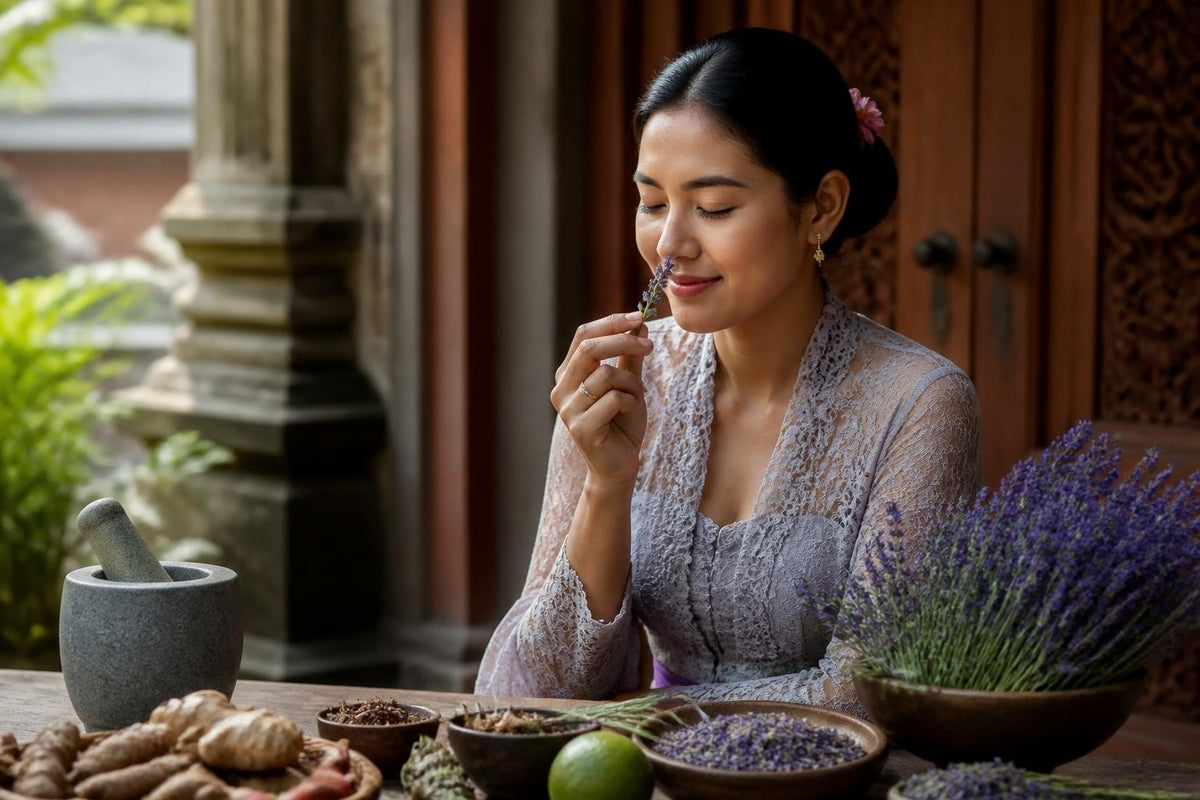
I remember the first time I truly understood the power of calm aid in my grandmother's coastal village. She would steep fragrant herbs in coconut oil under the Indonesian sun, creating remedies that soothed both body and mind. That memory stays with me because it represents something we're rediscovering in 2026: nature holds profound answers to our modern stress epidemic. In an era where anxiety affects nearly one in five adults globally, according to the American Psychiatric Association, we're turning back to botanical solutions our ancestors trusted for centuries. This isn't about rejecting modern medicine but rather embracing a holistic approach where calm aid from natural sources complements our wellness toolkit.
Understanding Modern Anxiety and Natural Solutions
Our relationship with stress has fundamentally changed. The constant connectivity, environmental concerns, and rapid pace of modern life create persistent low-level anxiety that our nervous systems weren't designed to handle. The World Health Organization's evidence review emphasizes that anxiety disorders now represent a global health priority, affecting work, relationships, and quality of life across all demographics.
What makes this challenge particularly interesting is how we're addressing it. While pharmaceutical interventions remain valuable for clinical anxiety, there's a growing recognition that mild to moderate stress benefits from gentler approaches. Natural calm aid products occupy this sweet spot, offering relief without the side effects or dependency concerns of stronger medications.
The Science Behind Botanical Calm Aid
Plant-based remedies work through multiple pathways in our nervous system. Unlike synthetic compounds designed for single-target action, botanical calm aid typically offers what researchers call "multi-modal" effects. They might influence neurotransmitter activity, reduce inflammation, and support hormonal balance simultaneously.
Take lavender as a prime example. Research published in Scientific Reports demonstrates that standardized lavender oil preparations show efficacy comparable to some pharmaceutical options for anxiety management. The study's network meta-analysis revealed something remarkable: patients taking oral lavender oil experienced significant anxiety reduction with minimal adverse effects.
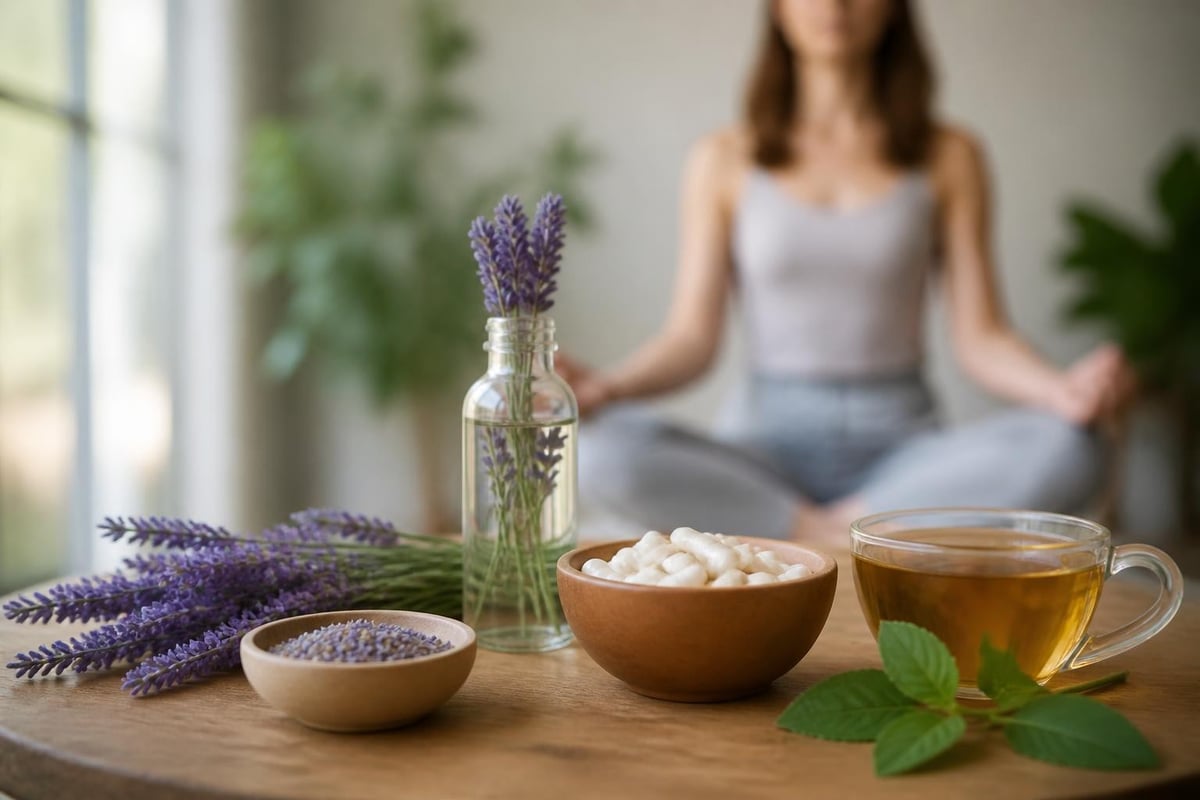
The beauty of these findings lies not just in statistical significance but in real-world application. People reported feeling calmer without the grogginess or cognitive dulling sometimes associated with conventional anxiolytics. This distinction matters tremendously for those seeking calm aid that supports daily functioning rather than sedation.
Traditional Wisdom Meets Modern Research
Indonesia's coastal communities, where naturalē draws its inspiration, have practiced botanical wellness for generations. The women who harvest and prepare traditional remedies understand something that science is now confirming: the whole plant often works better than isolated compounds.
This concept of synergy runs deep in traditional medicine. When my team at naturalē researches ingredients for our wellness collection, we look for plants used historically in calming rituals and stress relief. The wisdom embedded in these practices often predates clinical trials by centuries.
Key principles from traditional calm aid practices:
- Ritual and routine: Regular application matters as much as the remedy itself
- Holistic preparation: Combining complementary botanicals amplifies effects
- Quality sourcing: Plant potency depends on growing conditions and harvest timing
- Minimal processing: Gentle extraction preserves active compounds
- Respect for dosage: More isn't always better with botanical medicine
Evidence-Based Botanical Options
The calm aid category now includes several well-researched plant compounds. Understanding each helps match remedies to individual needs and preferences.
| Botanical | Primary Mechanism | Best For | Evidence Level |
|---|---|---|---|
| Lavender oil | GABA modulation | Generalized anxiety, restlessness | Strong (multiple RCTs) |
| L-theanine | Alpha-wave promotion | Acute stress, focus maintenance | Moderate (growing evidence) |
| Chamomile | Anti-inflammatory, mild sedative | Sleep-related anxiety | Moderate (traditional use + trials) |
| Passionflower | GABA support | Nervous tension | Emerging (small trials) |
| Valerian | Sedative properties | Sleep disturbances | Mixed (variable results) |
Systematic reviews of L-theanine reveal particularly interesting patterns. This amino acid found in tea leaves doesn't sedate but rather promotes relaxation while maintaining alertness. Students, professionals, and anyone needing calm aid without drowsiness often find this combination ideal.
Creating Your Personal Calm Aid Routine
Effectiveness of natural stress relief extends beyond the compounds themselves. How we integrate calm aid into daily life determines results as much as ingredient choice. Think of it like nutrition: the healthiest foods only benefit those who actually eat them consistently.
Morning Calm Aid Practices
Starting the day grounded sets the tone for everything that follows. Rather than reaching immediately for caffeine, consider building a calm aid morning sequence:
-
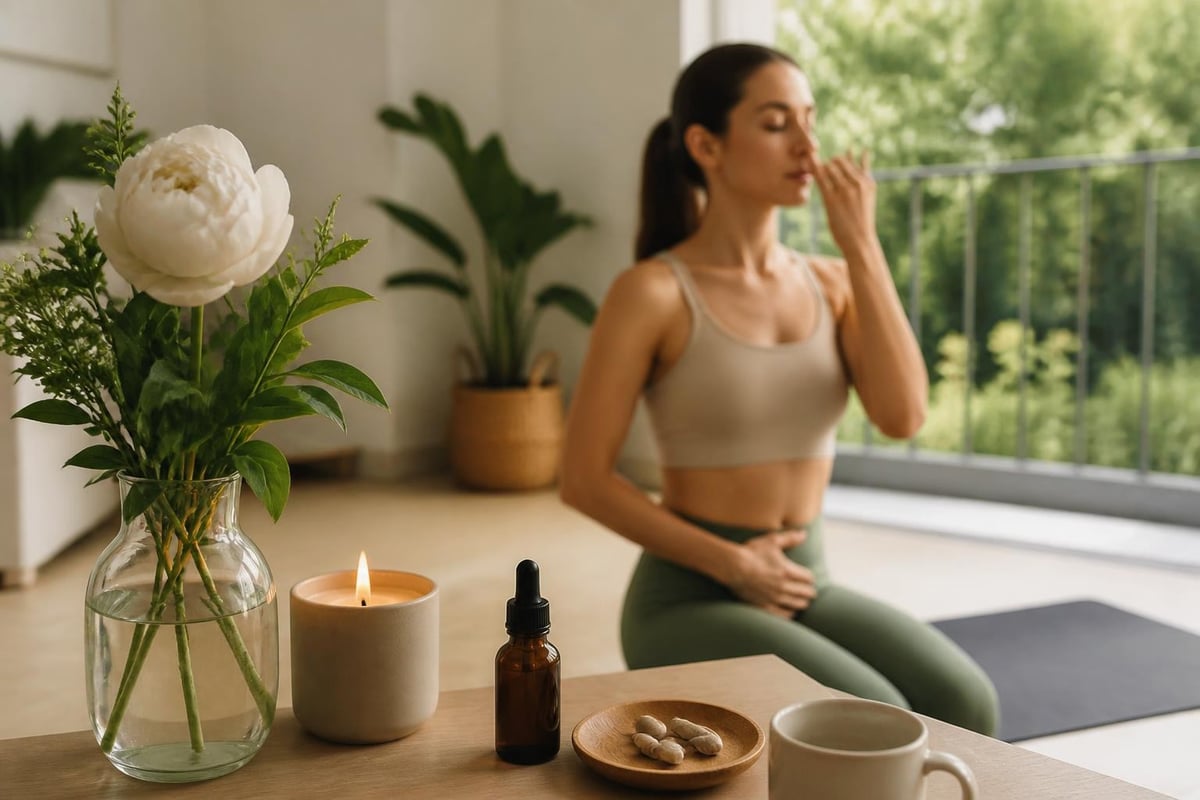
Aromatherapy upon waking: Keep lavender or other calming scents near your bed. The olfactory system connects directly to emotional centers in the brain.
-
Mindful product application: Transform your shower or skincare routine into meditation. Natural body care products applied with intention double as calm aid rituals.
-
Supplement timing: If using oral calm aid like L-theanine, morning dosing supports sustained calm without interfering with sleep.
-
Breathwork integration: Pair botanical calm aid with three minutes of deep breathing to amplify relaxation response.
The coastal artisans who craft naturalē's handmade soaps understand this connection between ritual and relief. Each wash becomes an opportunity for grounding when approached mindfully.
Stress Relief Throughout the Day
Midday anxiety spikes are common, especially in high-pressure work environments. Portable calm aid solutions help manage these moments without disrupting productivity.
Practical midday calm aid strategies:
- Desk-drawer aromatherapy with essential oil rollers
- Herbal tea breaks combining hydration with L-theanine intake
- Quick hand massage with calming body oil
- Five-minute walk paired with focused breathing
- Gratitude journaling to shift mental state
These micro-interventions work because they interrupt stress cycles before full anxiety develops. The comprehensive review of L-theanine mechanisms explains how this compound specifically counteracts stress-induced cognitive impairment, making it particularly valuable during demanding work periods.
Quality Matters in Calm Aid Products
Not all botanical calm aid delivers equal results. Manufacturing processes, sourcing practices, and ingredient quality dramatically affect efficacy. This reality drives naturalē's commitment to sustainable practices and traditional craftsmanship.
What to Look For
Evaluating calm aid products requires understanding what separates effective formulations from marketing hype. Consider these quality indicators:
Sourcing transparency: Reputable brands disclose where botanicals originate and how they're processed. Wildcrafted or organically grown plants typically contain higher concentrations of beneficial compounds.
Standardization: Clinical trials use standardized extracts with guaranteed active compound levels. Look for calm aid products that specify percentages of key constituents like lavandulol in lavender oil.
Third-party testing: Independent verification of purity and potency protects against contamination and ensures label accuracy.
Minimal additives: Effective botanical calm aid doesn't require artificial colors, fragrances, or unnecessary fillers. Simple formulations often work best.
The women in Indonesia's coastal communities who harvest coconut and prepare traditional remedies exemplify this quality-first approach. Their methods, refined over generations, prioritize purity and potency over mass production efficiency.
Combining Calm Aid Approaches
The most effective anxiety management rarely depends on a single intervention. Instead, layering complementary calm aid strategies creates resilience across multiple stress triggers.
Building Your Calm Aid Stack
Think of this as creating a personalized toolkit where different tools address different situations:
| Stress Type | Primary Calm Aid | Supporting Practice | When to Use |
|---|---|---|---|
| Acute situational | Aromatherapy, breathwork | Grounding exercises | Before presentations, difficult conversations |
| Chronic background | Daily L-theanine, adaptogenic herbs | Regular exercise, sleep hygiene | Ongoing maintenance |
| Evening restlessness | Lavender oil, chamomile tea | Screen reduction, bath ritual | Pre-sleep routine |
| Physical tension | Massage with calming oils | Progressive muscle relaxation | After long work sessions |
This matrix helps match interventions to needs rather than applying one-size-fits-all solutions. Someone experiencing generalized anxiety disorder requires different calm aid support than someone managing occasional stress.
When to Seek Additional Support
Natural calm aid offers tremendous benefits for everyday stress, but recognizing when professional help is needed demonstrates wisdom rather than weakness. Anxiety that significantly impairs daily functioning, persists despite self-care efforts, or includes panic attacks warrants consultation with healthcare providers.
Botanical calm aid works beautifully alongside professional treatment. Many therapists encourage patients to explore natural stress management while receiving cognitive-behavioral therapy or other evidence-based interventions. The approaches complement rather than compete with each other.
The Role of Ritual and Connection
Perhaps the most overlooked aspect of calm aid effectiveness is the ritual surrounding its use. The Indonesian artisans who create naturalē's products understand something profound: preparation and application matter as much as ingredients.
Creating Meaningful Calm Aid Rituals
Transform ordinary self-care into anxiety-reducing ceremonies by adding intention and attention:
Bath rituals: Turn a simple wash into calm aid therapy by slowing down, focusing on sensation, and expressing gratitude for your body. The body wash becomes medicine when applied mindfully.
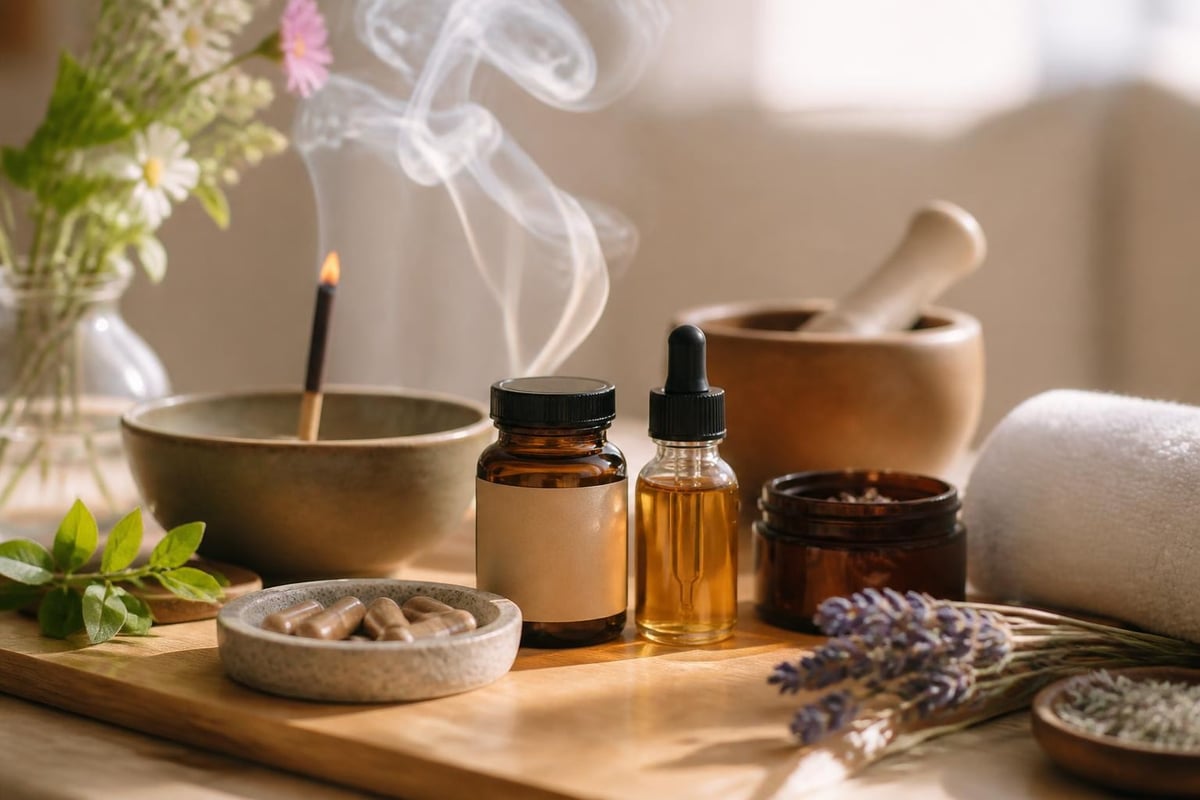
Scent ceremonies: Light incense or candles with specific intentions. The act of lighting, watching the flame, and breathing the aroma creates space between stimulus and response where calm naturally emerges.
Oil massage: Whether body oil or coconut face cream, the physical touch combined with aromatic compounds activates multiple calming pathways simultaneously.
Tea meditation: Preparing and drinking herbal calm aid tea becomes a moving meditation when done with full attention to each step.
These practices work because they demand presence. Anxiety lives in future worry and past regret; ritual anchors us in the present moment where calm naturally resides.
Sustainable Calm Aid Practices
The connection between environmental health and personal wellness runs deeper than most realize. Anxiety about climate change, habitat loss, and environmental degradation affects millions in 2026. Choosing calm aid products that support rather than harm ecosystems creates alignment between values and actions.
This alignment itself reduces stress. When our purchases reflect our principles, we eliminate the cognitive dissonance that subtly drains mental energy. Supporting brands committed to sustainability and community empowerment transforms consumption into contribution.
Environmental considerations for calm aid choices:
- Sustainably harvested botanicals that support ecosystem health
- Minimal packaging waste and upcycled materials
- Fair compensation for artisans and farmers
- Low-impact manufacturing processes
- Local sourcing that reduces transportation emissions
The coastal communities where naturalē sources ingredients demonstrate how economic opportunity and environmental stewardship can coexist. When calm aid production supports women's livelihoods while protecting marine and terrestrial ecosystems, everyone benefits.
Personalizing Your Calm Aid Journey
Individual biochemistry, stress triggers, and lifestyle factors mean no single calm aid approach works universally. Experimentation within safe parameters helps identify what serves your unique nervous system best.
Starting Your Exploration
Begin with single interventions to understand individual effects before layering multiple calm aid strategies:
-
Baseline assessment: Note current stress levels, sleep quality, and anxiety frequency for one week before introducing any calm aid.
-
Single-variable testing: Try one new calm aid approach for two weeks while maintaining other routines constant.
-
Observation: Track changes in mood, sleep, physical tension, and stress reactivity.
-
Adjustment: Modify dosage, timing, or method based on results.
-
Gradual addition: Once one approach proves helpful, consider adding complementary calm aid strategies.
This methodical approach reveals what actually helps versus what feels like it should help. The distinction matters when building sustainable wellness practices.
Some people find aromatic calm aid most effective, responding strongly to lavender, chamomile, or other calming scents. Others notice more benefit from oral supplements like L-theanine or from topical applications during massage. Honoring your body's feedback creates the most effective personalized calm aid protocol.
The Future of Natural Calm Aid
As we move deeper into 2026, the intersection of traditional wisdom and modern research continues expanding. New extraction methods preserve delicate compounds previously lost in processing. Rigorous clinical trials provide evidence for botanicals used traditionally for centuries. Consumer demand for transparency drives better sourcing and manufacturing practices.
This evolution benefits everyone seeking calm aid from natural sources. We're entering an era where anecdotal tradition and scientific validation reinforce each other, creating confidence in botanical approaches that neither alone could provide.
The artisans in Bali, Raja Ampat, and Togean who craft naturalē's products embody this synthesis. Their traditional methods, refined through generations, now receive validation from contemporary research while maintaining the integrity that makes them effective.
Natural calm aid offers gentle yet powerful support for managing modern stress, drawing on botanical wisdom refined across centuries and cultures. Whether through aromatic rituals, oral supplementation, or mindful bodycare practices, these plant-based approaches help restore the nervous system balance disrupted by contemporary life. When you're ready to explore calm aid through sustainably crafted products rooted in Indonesian coastal traditions, discover how naturalē combines ancient wisdom with modern quality standards to support your wellness journey.


