

Cart
0
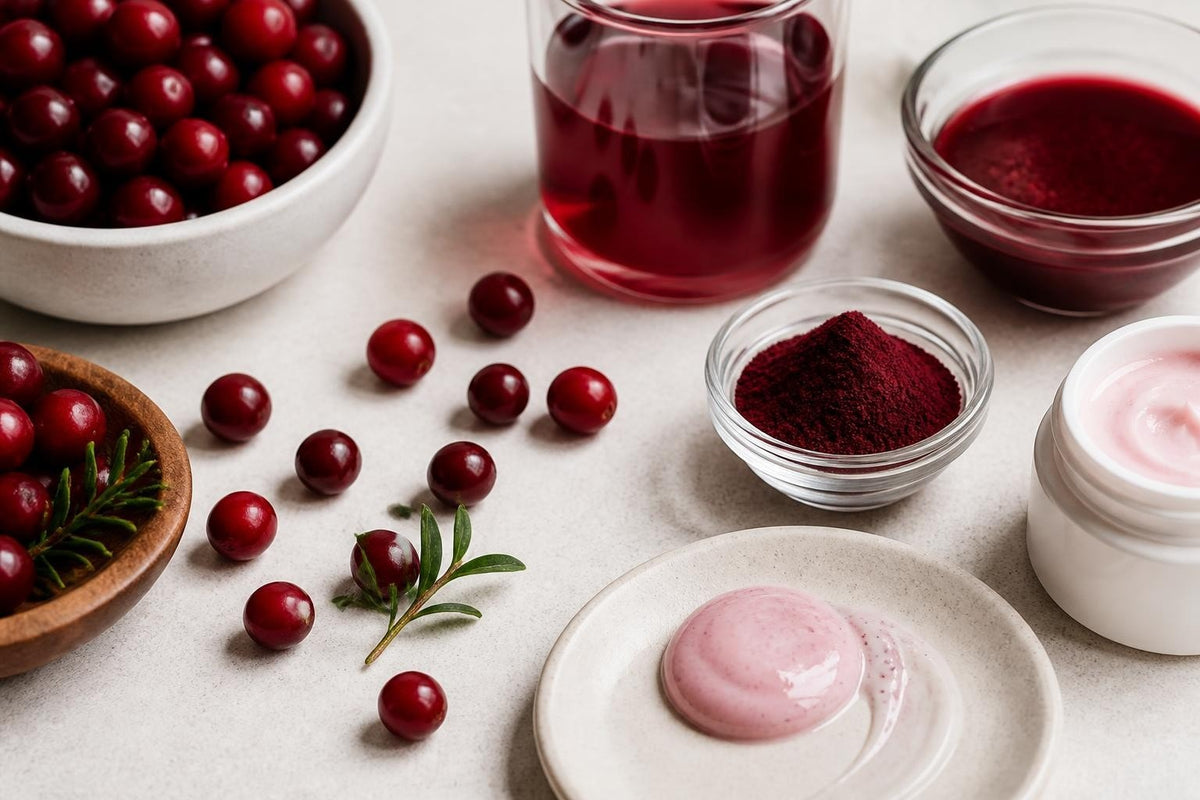
The vibrant red berries that carpet the bogs of North America hold secrets that coastal communities around the world are discovering. I remember the first time I held a handful of these tart little fruits, their deep crimson color staining my palms like natural dye. Little did I know then that cranberry extract would become one of the most researched botanical ingredients in both wellness and skincare, bridging ancient traditional knowledge with modern scientific validation. For those of us committed to natural bodycare, this extract represents something remarkable: a plant-based powerhouse that delivers measurable benefits while honoring sustainable practices.
The Story Behind Cranberry's Skincare Power
Native American communities understood cranberry's protective properties long before laboratories could explain why. They used these berries for everything from food preservation to topical applications, passing down knowledge through generations of careful observation. Today, that wisdom meets science in extraordinary ways.
The magic lies in compounds called proanthocyanidins, or PACs for short. These polyphenolic molecules give cranberries their distinctive astringency and much of their biological activity. When I first learned about proanthocyanidin composition research, it reminded me of how traditional soap makers instinctively knew which plants offered protective benefits, even without understanding the chemistry.
Chemical Composition That Matters
Cranberry extract isn't a single compound but a complex matrix of beneficial molecules working in harmony:
- Proanthocyanidins (PACs): The star players for anti-adhesion and antioxidant activity
- Anthocyanins: Pigments that double as potent free radical scavengers
- Flavonols: Including quercetin and myricetin for anti-inflammatory effects
- Organic acids: Citric, malic, and quinic acids that support skin pH balance
- Vitamins: Particularly vitamin C and E for skin protection
What makes cranberry extract special for bodycare formulations is how these components work synergistically. It's similar to how naturalē's handmade natural soap combines multiple plant ingredients to create effects greater than individual components alone.
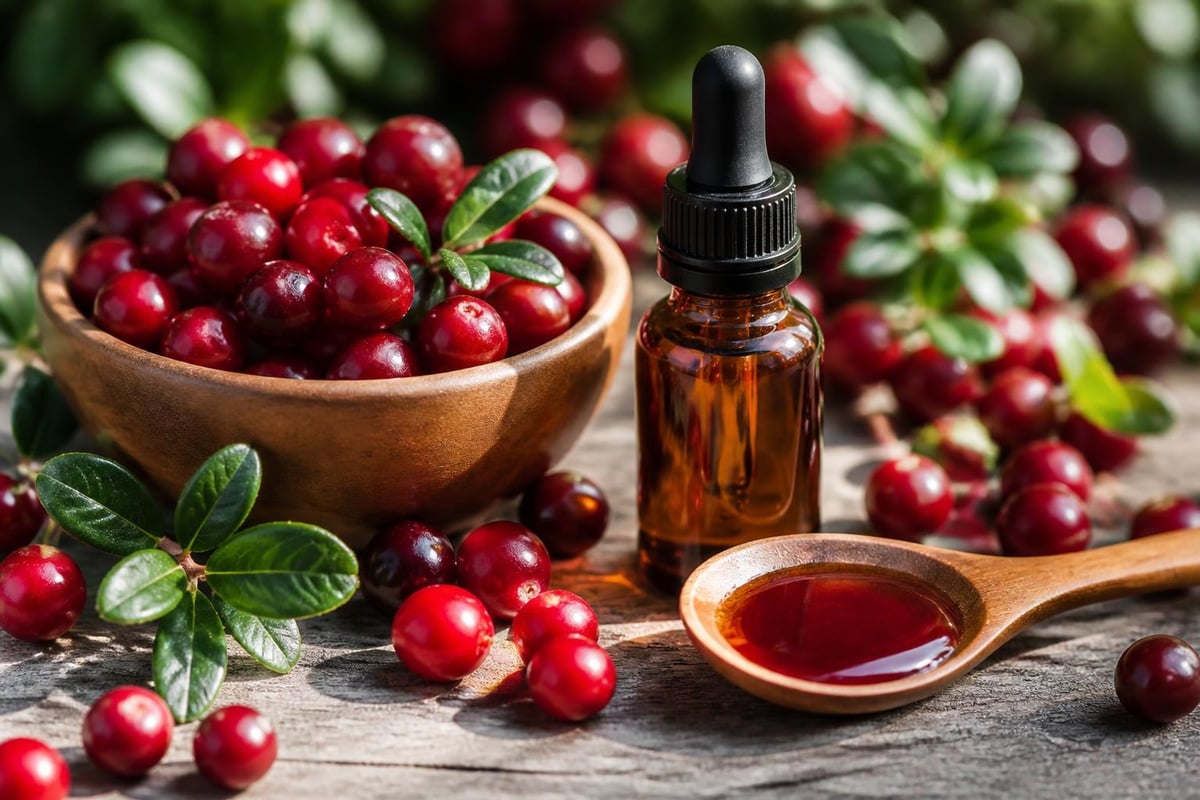
Science Meets Traditional Skincare Wisdom
The research community has invested considerable effort understanding how cranberry extract functions at a molecular level. A comprehensive 2024 review of cranberry's pharmacological mechanisms revealed fascinating insights about anti-adhesion properties that extend beyond internal wellness into topical applications.
Here's what happens when cranberry extract meets your skin:
| Benefit Category | Primary Action | Skincare Application |
|---|---|---|
| Antioxidant Defense | Neutralizes free radicals | Protects against environmental damage |
| Anti-adhesion | Prevents bacterial attachment | Supports skin microbiome balance |
| Anti-inflammatory | Reduces inflammatory markers | Calms irritation and redness |
| Collagen Support | Protects existing collagen | Maintains skin firmness |
The anti-adhesion properties particularly intrigue formulators working with natural ingredients. Just as recent meta-analyses examine cranberry's ability to prevent unwanted bacterial adhesion internally, topical applications may help maintain healthy skin flora balance.
Beyond Basic Hydration
Traditional bodycare often focuses solely on moisture retention, but cranberry extract brings multifunctional benefits. Working with coastal communities in Indonesia, I've seen how women combine local ingredients like coconut oil with botanical extracts to create products that nourish on multiple levels.
Key mechanisms for skin health:
- Free radical scavenging that protects cell membranes from oxidative stress
- Matrix metalloproteinase inhibition that preserves skin structure
- Microcirculation support that enhances nutrient delivery
- pH optimization that maintains skin barrier integrity
When formulated properly, cranberry extract complements rich emollients found in products like body butter, adding protective antioxidants to intensive hydration.
Formulating With Cranberry Extract
Creating effective natural bodycare requires understanding ingredient interactions and extraction methods. Not all cranberry extracts deliver equal benefits, and this matters tremendously for small-batch artisan producers.
Extraction Methods and Quality
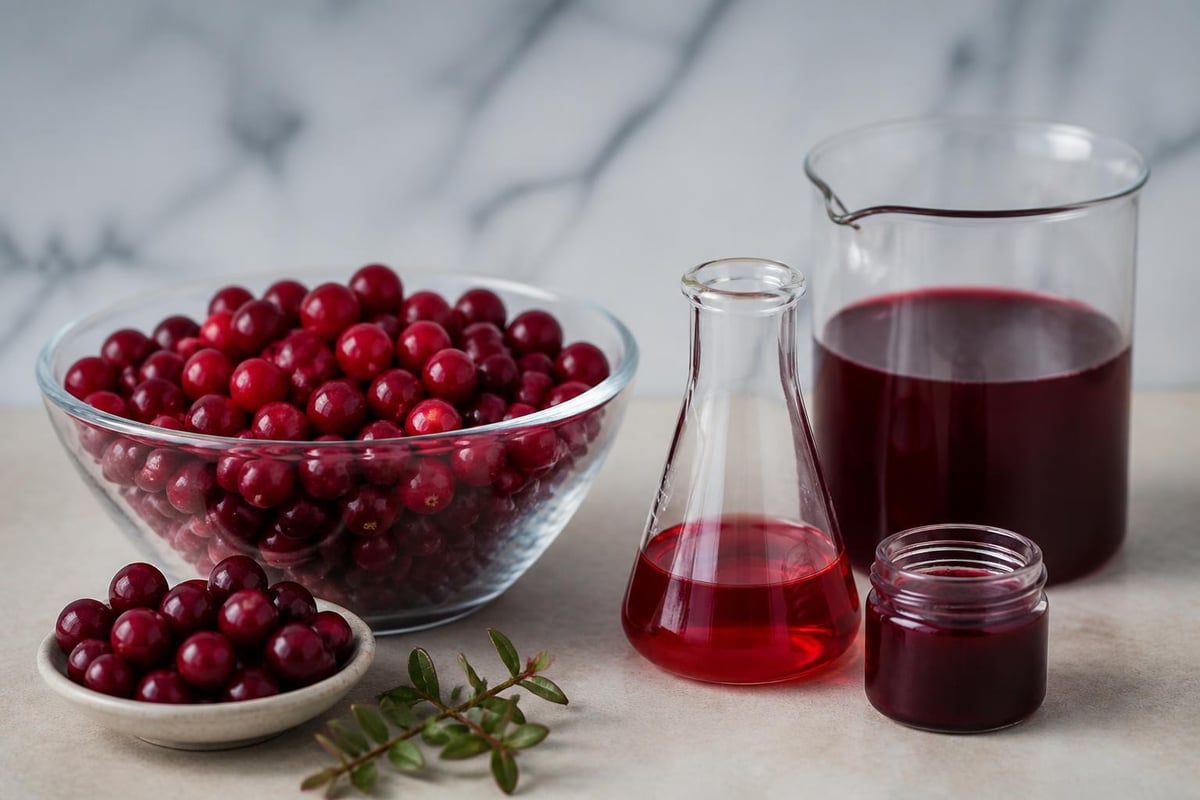
The journey from berry to extract involves careful processing that preserves bioactive compounds. Coastal producers understand this intuitively; just as fresh coconut requires specific timing and techniques for optimal oil quality, cranberries need gentle extraction to maintain their beneficial PACs.
Common extraction approaches include:
- Aqueous extraction: Water-based methods that capture hydrophilic compounds
- Alcohol extraction: Better for full-spectrum PAC preservation
- Supercritical CO2: Advanced method preserving heat-sensitive components
- Juice concentration: Maintains whole-berry synergy
For handcrafted formulations, choosing extracts from reputable suppliers who provide PAC content analysis ensures consistent results. This parallels how naturalē's philosophy emphasizes ingredient transparency and quality sourcing.
Practical Applications in Natural Bodycare
Walking through artisan workshops in Indonesia's coastal villages, I've watched skilled hands blend traditional ingredients with modern botanical extracts. The creativity and intuition these makers bring to formulation inspire how we might incorporate cranberry extract into various product categories.
Product Categories and Usage Rates
| Product Type | Typical Usage Rate | Primary Benefit Focus |
|---|---|---|
| Face creams | 1-3% | Antioxidant protection, anti-aging |
| Body lotions | 0.5-2% | Environmental defense, hydration |
| Cleansers | 1-5% | Gentle purification, pH balance |
| Serums | 3-10% | Concentrated antioxidant delivery |
| Body scrubs | 1-3% | Antioxidant boost, color |
For producers creating body scrub formulations, cranberry extract adds antioxidant benefits alongside physical exfoliation. The extract's natural astringency also complements the cleansing action of handmade soap, though heat during saponification requires careful timing for addition.
Ingredient Synergies Worth Exploring
Natural formulation celebrates how ingredients enhance each other. Cranberry extract particularly shines when paired with:
- Coconut oil: The fatty acids in virgin coconut oil help deliver cranberry's antioxidants deeper into skin layers
- Shea butter: Rich emollients protect while cranberry defends against oxidative damage
- Vitamin E: These antioxidants work together, regenerating each other's activity
- Aloe vera: Soothing hydration meets protective polyphenols
- Essential oils: Aromatic benefits plus complementary antioxidant activity
The women I've worked with in coastal communities instinctively understand these partnerships. They've spent years observing how certain combinations produce superior results, knowledge now confirmed by modern stability testing and efficacy studies.
Sustainability Considerations and Sourcing
Every ingredient tells a story of origin, and cranberry extract's journey from bog to bottle carries sustainability implications worth examining. For brands rooted in environmental stewardship, understanding these dynamics matters deeply.
Cultivation and Wild-Harvesting
Cranberries grow in specific ecosystems, primarily wetland bogs that serve crucial environmental functions. Commercial cultivation has evolved considerably, but questions remain about water usage, pesticide application, and habitat impact.
Sustainable sourcing checklist:
- Organic certification reducing pesticide burden
- Water management practices preserving wetland ecosystems
- Fair labor conditions for harvest workers
- By-product utilization minimizing waste
- Regional sourcing reducing transport emissions
These considerations mirror the values embedded in naturalē's mission of supporting coastal communities while minimizing environmental footprint. Just as artisan soap makers source locally when possible, choosing cranberry extract suppliers committed to ecological practices strengthens the entire value chain.
Processing Waste and Circular Economy
The cranberry industry generates significant processing by-products: seeds, skins, and pressed fruit pomace. Progressive extract manufacturers recover these materials for secondary extraction, creating products from what was once waste.
This circular approach resonates with craftspeople who naturally minimize waste. In Indonesian workshops, every coconut part finds purpose: meat for oil, shells for fuel, husks for fiber. Applying similar thinking to cranberry processing honors traditional sustainability wisdom while meeting modern environmental standards.
Regulatory Landscape and Quality Standards
Understanding regulatory frameworks helps small producers navigate ingredient selection confidently. Cranberry extract occupies interesting space in cosmetic regulations, with wellness claims requiring careful substantiation.
The EFSA's scientific assessment of cranberry-derived ingredients provides insight into how regulatory bodies evaluate botanical claims. While this European authority focuses on consumable products, their rigorous evaluation methodology informs quality expectations across applications.
Testing and Verification
Quality cranberry extract requires verification through multiple parameters:
| Test Parameter | Purpose | Target Range |
|---|---|---|
| PAC content | Active compound verification | Standardized to specific % |
| Heavy metals | Safety screening | Below regulatory limits |
| Microbial limits | Product safety | Meets cosmetic standards |
| Pesticide residues | Purity verification | Non-detect or minimal |
| pH value | Formulation compatibility | Product-dependent |
For artisan producers, requesting Certificates of Analysis from suppliers ensures ingredient quality without requiring in-house testing facilities. This practical approach enables small-batch creators to maintain standards comparable to larger manufacturers.

Innovation in Natural Formulation
The intersection of traditional knowledge and contemporary research opens exciting possibilities for cranberry extract applications. Walking this bridge between old and new, artisan makers develop products that honor heritage while embracing innovation.
Emerging Applications and Trends
Recent research continues revealing new dimensions of cranberry's potential. Ongoing clinical trials explore various applications, and while many focus on internal wellness, the mechanisms studied often suggest topical benefits worth investigating.
Innovative formulation directions include:
- Microbiome-friendly cleansers leveraging anti-adhesion properties
- Pollution-defense serums combining antioxidants for urban skin protection
- pH-balancing toners utilizing cranberry's natural acidity
- Color cosmetics where anthocyanins provide natural pigmentation
- After-sun care pairing anti-inflammatory effects with skin repair
For brands creating body serum or face oil products, cranberry extract offers differentiation through science-backed benefits and compelling natural origin stories.
Traditional Meets Contemporary
The artisan makers I've collaborated with possess remarkable formulation intuition developed through years of hands-on experience. They know instinctively which textures feel luxurious, which scents evoke specific emotions, and which combinations deliver visible results.
Adding cranberry extract to their palette requires respecting this expertise while sharing contemporary research insights. It's conversation, not lecture: "This extract's antioxidants might enhance your coconut cream's protective properties" rather than "You should use this because science says so."
This collaborative approach has produced beautiful innovations, like cranberry-enriched body wash that cleanses gently while delivering antioxidant benefits, or hand-body lotion combining island botanicals with cranberry's protective compounds.
Educational Resources and Continued Learning
The world of botanical extracts evolves constantly as researchers uncover new mechanisms and applications. Staying informed helps artisan producers make better formulation decisions while understanding ingredient potential more deeply.
Research Access and Application
Scientific literature on cranberry extract spans decades, but recent systematic reviews provide particularly valuable synthesis. A 2024 meta-analysis examining high-dose proanthocyanidin products demonstrates the depth of investigation into PAC standardization and efficacy, offering lessons applicable across product categories.
For small producers without research department access, these resources prove invaluable:
- Open-access journals publishing botanical research
- Ingredient supplier technical bulletins explaining usage and benefits
- Industry conferences connecting artisans with researchers
- Online formulation communities sharing practical experiences
- Regulatory guidance documents clarifying compliance requirements
The knowledge-sharing culture within natural product communities mirrors the collaborative spirit found in coastal workshops, where experienced makers mentor newcomers and everyone benefits from collective learning.
Market Positioning and Consumer Education
Cranberry extract's recognition among consumers creates opportunities for natural brands to communicate botanical expertise and formulation sophistication. However, this requires thoughtful education that builds understanding without overwhelming.
Storytelling That Connects
Consumers increasingly seek products with meaningful narratives. Cranberry extract offers rich storytelling potential: indigenous knowledge, sustainable cultivation, scientific validation, and multifunctional benefits all weave together into compelling brand narratives.
Effective communication approaches:
- Share the "why" behind ingredient selection, not just the "what"
- Connect extract benefits to real skincare concerns customers experience
- Highlight sustainability practices throughout the supply chain
- Explain complex concepts (like PACs) through relatable analogies
- Demonstrate commitment to quality through transparency about testing and standards
This educational approach aligns with how naturalē shares its mission, helping customers understand the values and care embedded in every product.
Building Trust Through Transparency
Small-batch producers compete with mass-market brands through authenticity and transparency rather than advertising budgets. Cranberry extract provides opportunities to demonstrate both scientific literacy and commitment to quality.
Sharing batch-specific PAC content, discussing extraction methods, or explaining why you chose specific suppliers builds credibility. It shows customers you're not just following trends but making informed formulation decisions based on real understanding.
Natural ingredients like cranberry extract bridge traditional wisdom with contemporary science, offering proven benefits while honoring sustainable practices. As we've explored, this remarkable botanical brings antioxidant protection, anti-adhesion properties, and multifunctional skincare benefits that align perfectly with artisan formulation values. Whether you're developing new products or seeking to understand ingredients more deeply, naturalē combines Indonesia's rich botanical heritage with commitment to quality, sustainability, and coastal community empowerment to create bodycare that nourishes skin while respecting both people and planet.


