

Cart
0
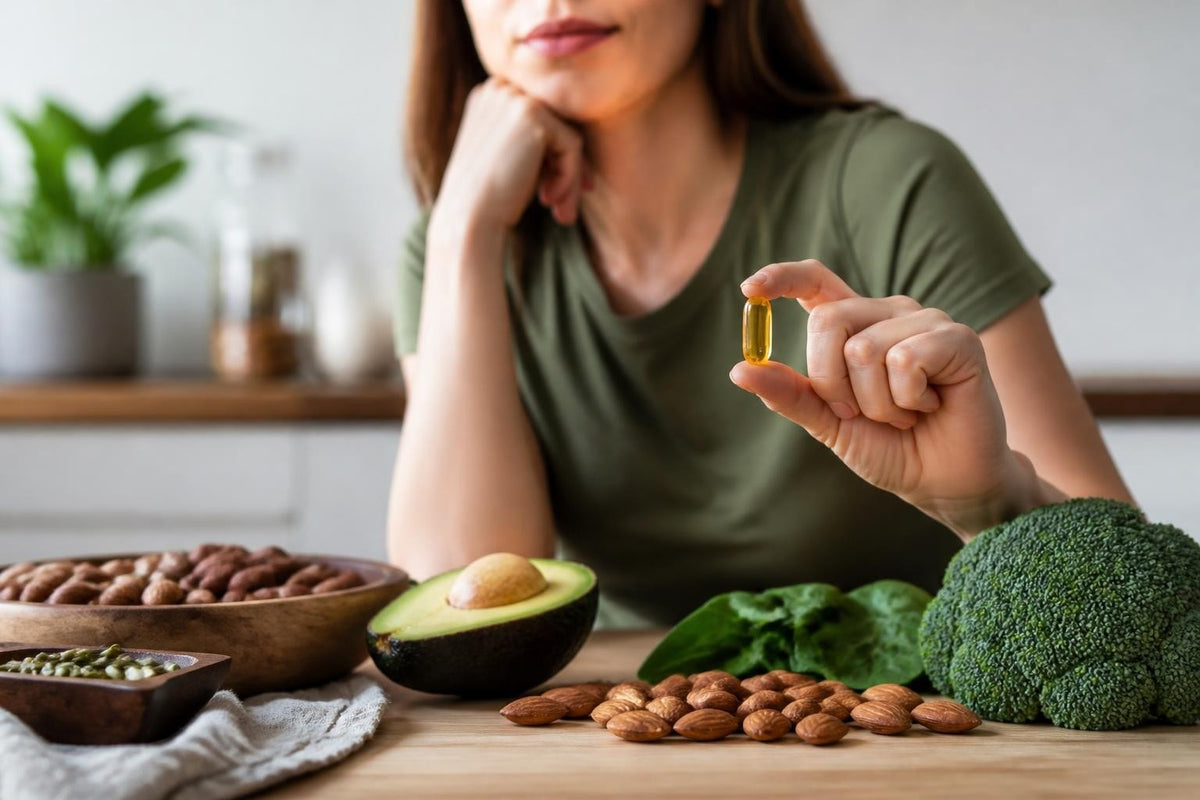
The first time I held a bottle of vitamin E 1000 IU capsules, I remember thinking about my grandmother's skincare ritual. She'd pierce open capsules and massage the golden oil directly onto her skin each night, swearing by its healing powers. Decades later, as we craft natural bodycare products with traditional Indonesian ingredients, I find myself asking the same questions she never did: Is this high dose safe? What does the science really say? And perhaps most importantly, can nature provide these benefits more gently?
Understanding Vitamin E 1000 IU Dosage
When you see "1000 IU" on a supplement label, you're looking at International Units, a measurement that can feel abstract until you understand what it means for your body. One IU of vitamin E equals approximately 0.67 milligrams of d-alpha-tocopherol, the natural form, or 0.9 milligrams of the synthetic dl-alpha-tocopherol.
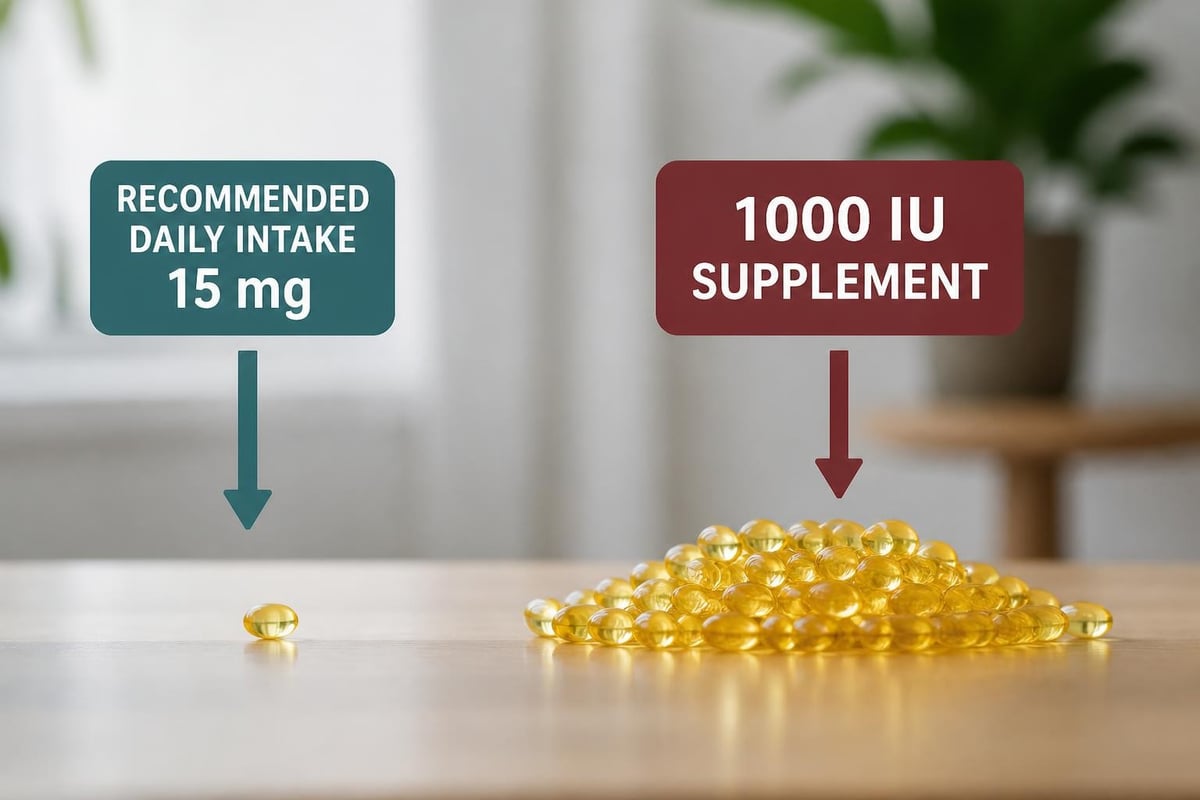
That puts vitamin E 1000 IU at roughly 670 mg of natural vitamin E or 450 mg of synthetic, which is significantly higher than the recommended dietary allowance.
The Science Behind High-Dose Supplementation
According to comprehensive research published by the NCBI, the recommended dietary allowance for adults is just 15 mg (22.4 IU) daily. That makes 1000 IU approximately 45 times higher than what most people need from diet alone.
Research tells a nuanced story about supplementation. A 2023 umbrella review in Frontiers in Public Health examined multiple meta-analyses and found mixed results across different health outcomes, with some benefits for specific populations but limited evidence for universal high-dose supplementation in healthy adults.
Why People Choose Vitamin E 1000 IU
The appeal of high-dose vitamin E supplementation comes from its powerful antioxidant properties and traditional use in skincare. Here's what draws people to this potency:
Common motivations for choosing 1000 IU:
- Intensive skin healing and scar reduction
- Support for chronic conditions with oxidative stress
- Anti-aging skincare routines
- Athletic recovery and muscle protection
- Immune system support during illness
Vitamin E for Skin: The Traditional Wisdom
My work with coastal communities in Indonesia has shown me how traditional knowledge often aligns with modern understanding. Women here have used vitamin-rich coconut and plant oils for generations, understanding intuitively what science now confirms: vitamin E protects skin cell membranes from damage.
When applied topically through natural carriers like virgin coconut oil or body oils, vitamin E provides antioxidant protection without the risks associated with high oral doses. The skin absorbs what it needs, using the nutrient alongside other beneficial compounds found in whole plant sources.
The Safety Question: Is 1000 IU Too Much?
Here's where the story gets complicated. The tolerable upper intake level for vitamin E is 1,000 mg (1,500 IU) daily for adults, so vitamin E 1000 IU falls just below that threshold. But "tolerable" doesn't mean "optimal" or even "safe for everyone."
| Factor | Consideration | Risk Level |
|---|---|---|
| Blood thinning | May increase bleeding risk | Moderate to High |
| Drug interactions | Interferes with statins, chemotherapy | High |
| Prostate cancer risk | Some studies show increased risk in men | Moderate |
| Cardiovascular effects | Mixed evidence on outcomes | Variable |
Recent research, including a 2024 meta-analysis on stroke outcomes, shows that high-dose vitamin E supplementation doesn't provide the cardiovascular protection once hoped for and may carry risks for certain populations.
Who Should Avoid High Doses
People who should not take vitamin E 1000 IU without medical supervision:
- Anyone on blood-thinning medications (warfarin, aspirin, clopidogrel)
- Individuals scheduled for surgery within two weeks
- People with vitamin K deficiency
- Those undergoing chemotherapy or radiation
- Men with a family history of prostate cancer
The story of vitamin E supplementation reminds me of a conversation I had with a traditional healer in Bali. She explained that plants don't provide nutrients in isolation, they come packaged with co-factors, fiber, and other compounds that help the body use them wisely. Modern high-dose supplements strip away that natural wisdom.
Natural Alternatives to Vitamin E 1000 IU Supplements
Before reaching for mega-dose supplements, consider how traditional diets and natural bodycare can provide vitamin E in forms your body recognizes and uses more efficiently.
Dietary Sources That Tell a Better Story
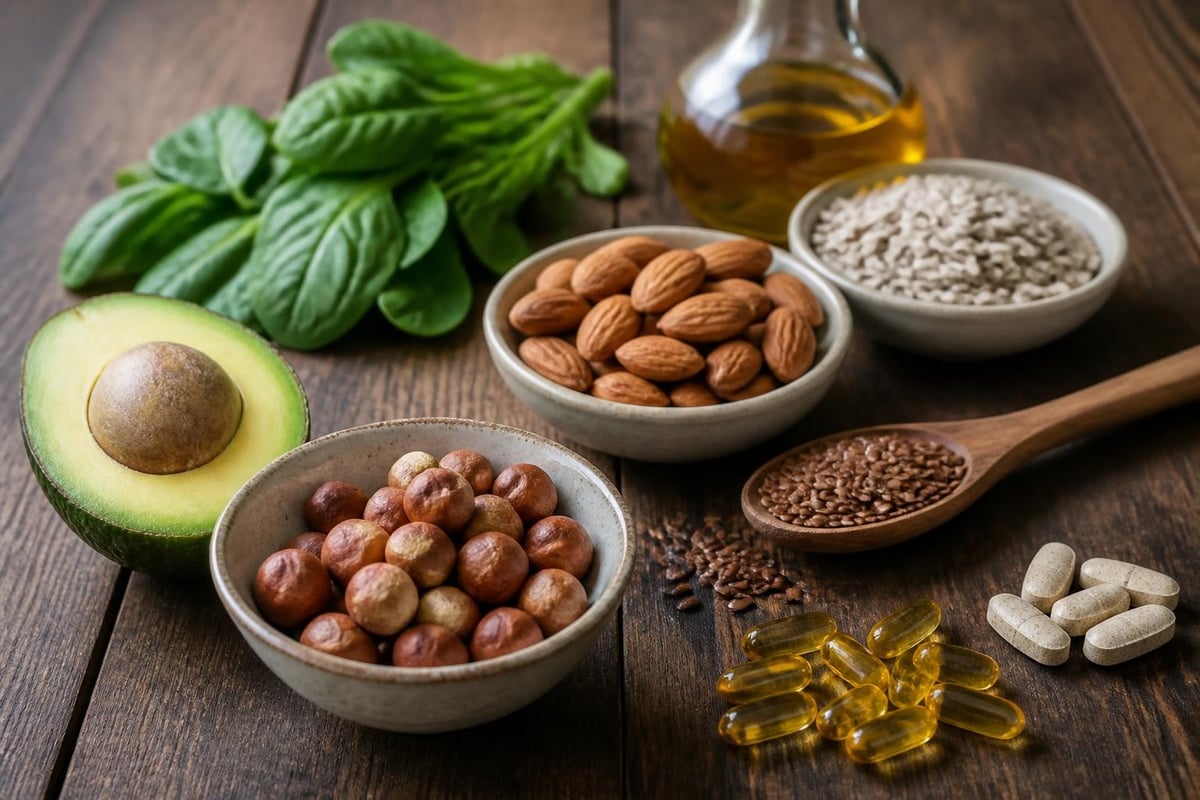
The most bioavailable vitamin E comes from foods, where it's protected by other antioxidants and delivered with healthy fats that aid absorption:
Top food sources of vitamin E:
- Sunflower seeds (7.4 mg per ounce)
- Almonds (7.3 mg per ounce)
- Hazelnuts (4.3 mg per ounce)
- Spinach and Swiss chard (cooked, 3-4 mg per cup)
- Avocado (2.7 mg per fruit)
- Red bell peppers (1.9 mg per medium pepper)
- Mango (1.5 mg per fruit)
In Indonesian coastal villages, traditional diets rich in coconuts, fish, leafy greens, and tropical fruits provide ample vitamin E without supplementation. The philosophy at naturalē reflects this understanding: work with nature's balance rather than against it.
Topical Application: A Safer Path to Skin Benefits
When your goal is healthier skin rather than systemic supplementation, topical vitamin E offers benefits without the risks of high oral doses. This is where natural bodycare products shine.
Our handmade natural soap and body butter incorporate vitamin E-rich oils that nourish skin directly. The vitamin E in coconut oil, shea butter, and other plant sources comes packaged with fatty acids, phytosterols, and other skin-loving compounds that work synergistically.
Making Informed Decisions About Vitamin E 1000 IU
If you're considering vitamin E 1000 IU supplementation, here's a framework for making a decision that honors both science and your individual needs:
Questions to Ask Before Supplementing
Assessment checklist:
- Have I had my vitamin E levels tested, or am I assuming I'm deficient?
- What specific health outcome am I hoping to achieve?
- Could I achieve similar benefits through diet or topical application?
- Have I discussed this dose with my healthcare provider?
- Am I taking any medications that might interact?
- What does the research say about this dose for my specific goal?
Most people discover they don't actually need vitamin E 1000 IU when they honestly answer these questions. True deficiency is rare in developed countries, typically only occurring in people with fat malabsorption disorders.
Vitamin E in Natural Bodycare: The Naturalē Approach
Over years of working with Indonesian artisans and natural ingredients, I've learned that the most effective skincare doesn't come from isolated, mega-dose nutrients. It comes from thoughtfully crafted products that respect skin's complexity.
How We Incorporate Vitamin E Naturally
Rather than adding synthetic vitamin E 1000 IU capsules to products, we rely on ingredients naturally rich in tocopherols:
| Ingredient | Vitamin E Content | Additional Benefits |
|---|---|---|
| Virgin coconut oil | 0.11 mg per tablespoon | Antimicrobial, deeply moisturizing |
| Shea butter | 3-4 mg per ounce | Anti-inflammatory, rich in fatty acids |
| Sunflower seed oil | 5.6 mg per tablespoon | Light texture, high in linoleic acid |
| Avocado oil | 2.7 mg per tablespoon | Penetrates deeply, supports collagen |
These whole-plant sources provide vitamin E alongside complementary nutrients. Our coconut face cream and face oil harness this synergy, delivering antioxidants the way nature intended.
The Environmental Story
There's another dimension to the vitamin E 1000 IU conversation that rarely gets told. High-dose synthetic supplements require industrial manufacturing processes, plastic packaging, and global shipping networks. Each bottle represents an environmental cost.
Traditional, food-based approaches to nutrition and natural bodycare minimize this impact. When we craft body scrubs and body wash from locally-sourced ingredients, we're not just creating effective products but we're supporting sustainable systems that nourish both people and planet.
When Vitamin E 1000 IU Might Be Appropriate
Despite my advocacy for natural alternatives, I recognize that some situations genuinely call for higher-dose supplementation. Honesty requires acknowledging when supplements serve a legitimate purpose.
Scenarios where vitamin E 1000 IU might be medically appropriate:
- Diagnosed vitamin E deficiency (confirmed by blood test)
- Fat malabsorption disorders (cystic fibrosis, Crohn's disease, celiac disease)
- Genetic conditions affecting vitamin E metabolism
- Short-term therapeutic use under medical supervision
- Specific neurological conditions with proven benefit
Even in these cases, the 1000 IU dose should be temporary and monitored. Long-term use requires regular blood tests and medical oversight to prevent toxicity and adverse effects.
Working With Your Healthcare Provider
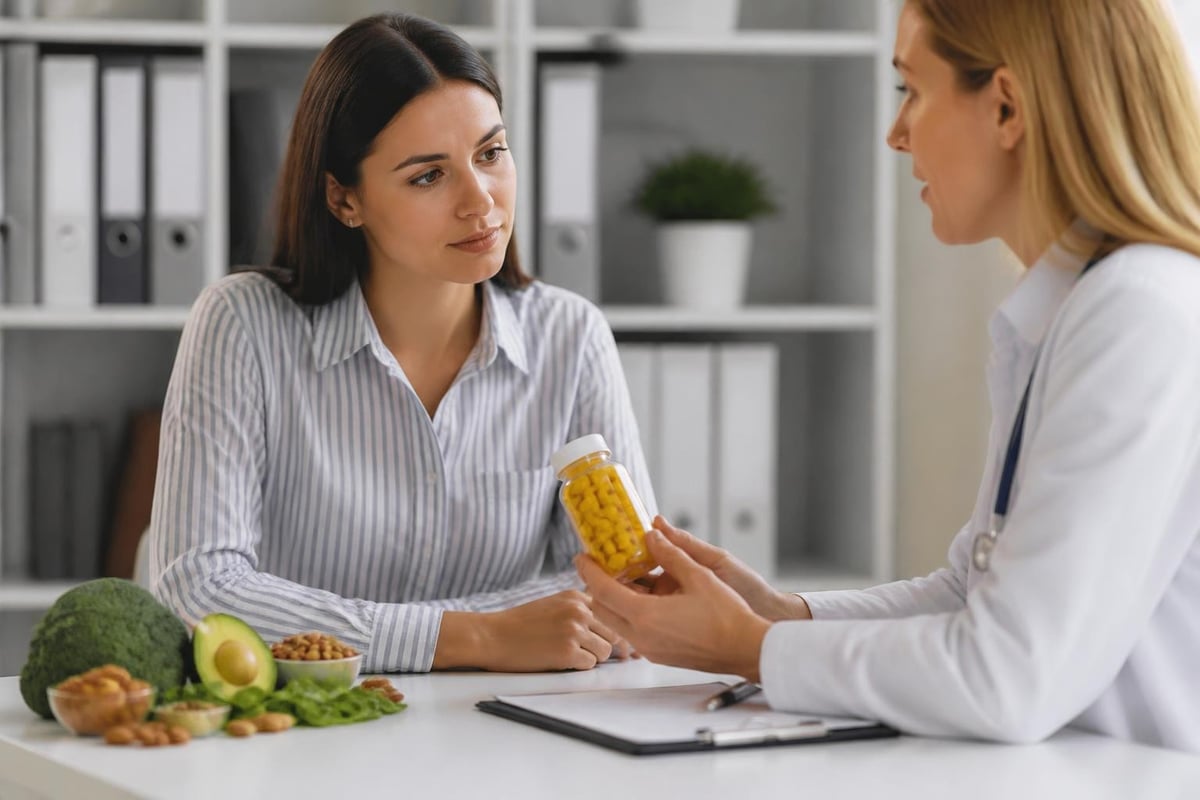
The best supplementation stories I've heard involve collaboration between patients and knowledgeable practitioners. Before starting vitamin E 1000 IU:
- Request vitamin E level testing (alpha-tocopherol serum concentration)
- Discuss your complete medication list
- Review your diet and identify potential food sources
- Establish monitoring protocols
- Set a timeline for reassessing the need
This partnership approach respects both traditional wisdom about whole foods and modern medical understanding of when isolated nutrients serve a purpose.
The Bigger Picture: Rethinking Supplementation
As I write this in 2026, the supplement industry continues to grow, promising solutions in bottles. But the communities I work with in Indonesia tell a different story, one where health comes from connection to land, traditional knowledge, and foods grown in rich soil.
Vitamin E 1000 IU represents a broader pattern: taking something beneficial in small, natural amounts and assuming that more must be better. Sometimes more is just more, carrying risks that outweigh benefits.
Building a Sustainable Wellness Practice
Instead of high-dose supplements, consider:
A holistic approach to vitamin E and skin health:
- Eat a diverse diet rich in nuts, seeds, leafy greens, and healthy oils
- Use natural bodycare products with vitamin E-rich plant oils
- Protect your skin from sun damage (which depletes vitamin E)
- Support your body's antioxidant systems with varied nutrients
- Choose quality over quantity in both food and skincare
This philosophy underpins everything we create. Our body serum and hair oil don't rely on mega-doses of isolated nutrients but on traditional formulations that have nourished skin for generations.
Vitamin E 1000 IU and Special Populations
Different life stages and conditions change vitamin E needs, though rarely to the level of 1000 IU supplementation.
Pregnancy and Breastfeeding
Pregnant women need slightly more vitamin E (15 mg daily), and lactating women need 19 mg. But vitamin E 1000 IU far exceeds these amounts and hasn't been proven safe during pregnancy. Food sources and prenatal vitamins provide adequate amounts without risk.
Athletes and Active Individuals
Exercise increases oxidative stress, leading some athletes to supplement with vitamin E 1000 IU. However, research shows that excessive antioxidant supplementation may actually interfere with beneficial adaptations to training. Moderate amounts from food support recovery without blocking the cellular signals that make you stronger.
Aging and Cognitive Health
Older adults often hope vitamin E will protect against cognitive decline. While vitamin E supports brain health, high-dose supplementation hasn't proven effective for preventing Alzheimer's disease or dementia. A Mediterranean-style diet rich in vitamin E-containing foods shows more promise.
Practical Integration: Your Next Steps
If you've been taking vitamin E 1000 IU or considering it, here's how to move forward thoughtfully:
30-day transition plan:
- Week 1: Track your current diet and identify vitamin E sources
- Week 2: Consult with a healthcare provider about testing and your specific needs
- Week 3: Gradually incorporate more whole food sources
- Week 4: Assess whether you still feel you need supplementation
Most people discover they feel just as good, or better, without mega-dose supplements once they optimize their diet and skincare routine.
The Intersection of Tradition and Science
The most powerful lesson from studying vitamin E 1000 IU is how it illuminates the gap between traditional wisdom and modern supplement culture. Traditional societies never consumed isolated nutrients at pharmacological doses. They ate whole foods, used plant medicines topically, and understood that balance matters more than intensity.
This understanding shapes how we approach our mission at naturalē. By working with coastal communities who've maintained traditional knowledge, we create products that honor both ancestral wisdom and contemporary science.
When you use a body lotion crafted from virgin coconut oil and traditional botanicals, you're not just moisturizing skin but you're participating in a different story about wellness, one that values sustainability, community, and working with nature rather than trying to outsmart it.
The choice between vitamin E 1000 IU supplements and natural alternatives isn't just about personal health but it's about what kind of wellness culture we want to create. Do we want one that sees the body as a machine requiring chemical intervention, or one that recognizes our deep connection to the natural world?
While vitamin E 1000 IU may seem like a shortcut to better health, the evidence suggests that nature's balanced approach serves us better. Whether you're seeking skin benefits, antioxidant protection, or overall wellness, whole food sources and thoughtfully crafted natural products provide what your body needs without the risks of mega-dosing. At naturalē, we've built our entire philosophy around this truth, creating bodycare products from Indonesia's coastal communities that nourish your skin with vitamin-rich natural ingredients the way generations have done before us. Discover how traditional wisdom and sustainable practices can transform your wellness routine.


