

Cart
0
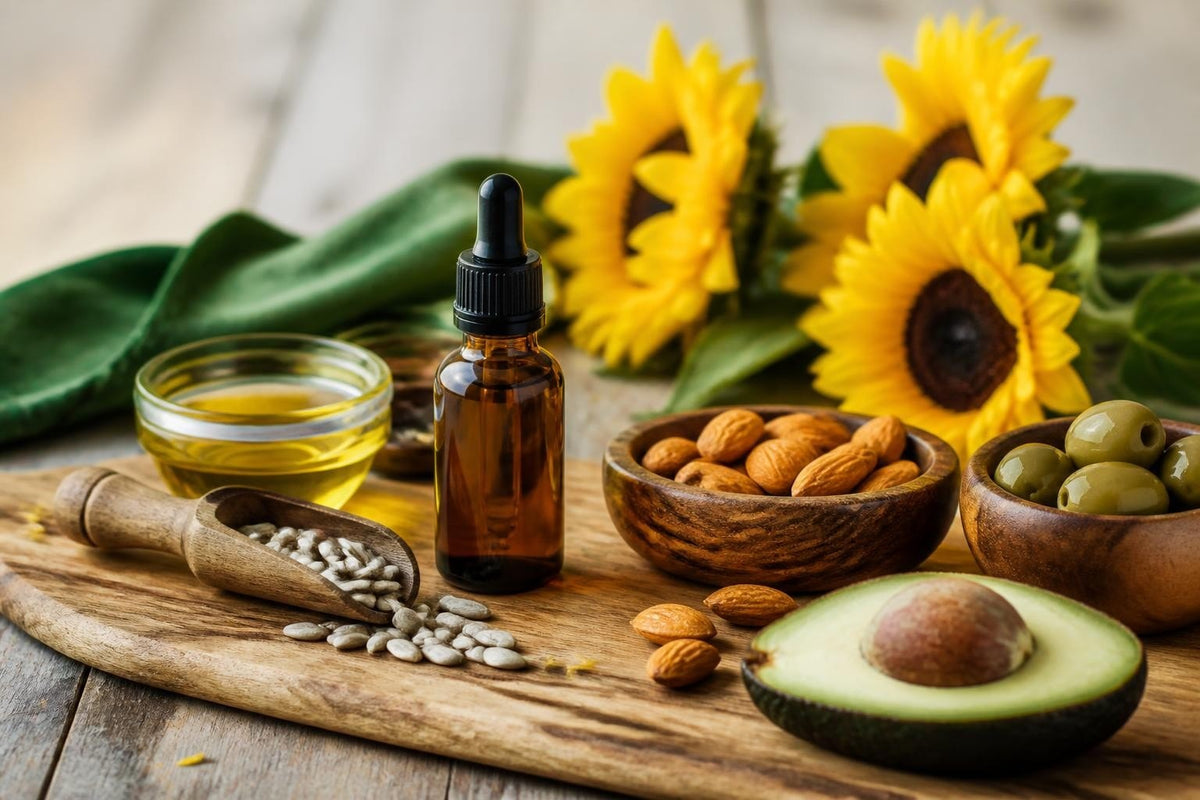
When my grandmother shared her skincare secrets with me as a child in Indonesia, she always kept a small amber bottle on her vanity. "This keeps my skin young," she'd say, carefully applying a golden oil to her face each night. Years later, I learned that bottle contained pure vitamin E oil, a natural antioxidant that has become one of the most discussed ingredients in modern skincare. Today, as we move toward cleaner beauty in 2026, understanding what this oil can and cannot do for your skin matters more than ever.
What Makes Pure Vitamin E Oil Different
Pure vitamin E oil is not just one compound. When you see tocopherol listed on a product label, you're looking at a family of eight fat-soluble compounds, four tocopherols and four tocotrienols. Alpha-tocopherol is the most biologically active form, which is why vitamin E in its various chemical forms receives so much attention from researchers and formulators alike.
The "pure" part of pure vitamin E oil typically means you're getting a concentrated form of these tocopherols, often extracted from plant sources like wheat germ, sunflower seeds, or nuts. Unlike synthetic versions, natural vitamin E oil contains the d-alpha-tocopherol form, which your skin recognizes and absorbs more readily than its laboratory-created counterpart.
How Your Skin Actually Uses Vitamin E
Your skin already contains vitamin E in its natural state. It sits within cell membranes, acting as a frontline defender against oxidative stress. When UV rays, pollution, or simply the passage of time create free radicals in your skin, vitamin E molecules donate electrons to neutralize these troublemakers before they damage healthy cells.
This is where topical application comes in. When you apply pure vitamin E oil, you're reinforcing your skin's natural antioxidant reserves. Think of it like restocking a defensive army that's constantly fighting battles on your behalf.

The Science Behind the Glow
Recent research paints a more nuanced picture than many marketing claims suggest. An umbrella review examining vitamin E across multiple health outcomes shows that while this nutrient plays important biological roles, the evidence for specific benefits varies considerably depending on the application and concentration used.
For skin health specifically, vitamin E demonstrates several measurable effects:
- Moisture retention: The oil creates an occlusive barrier that reduces transepidermal water loss
- Anti-inflammatory properties: Studies show reduced redness and swelling in certain skin conditions
- Photoprotection support: When combined with vitamin C, it may help protect against UV damage
- Wound healing acceleration: Some clinical trials report faster healing times, though results vary
What science doesn't support as strongly are some of the more dramatic claims. Scar reduction, for instance, remains controversial. While many people swear by vitamin E for scars, evidence for topical treatments shows that other interventions have more robust clinical backing.
Understanding Concentration and Formulation
Not all vitamin E oils work the same way. The concentration matters tremendously. Pure vitamin E oil typically contains 70-100% tocopherol, which can be overwhelming for sensitive skin. Many people find better results when vitamin E is diluted in carrier oils or included as part of a broader formulation.
| Concentration | Best For | Considerations |
|---|---|---|
| 100% pure | Spot treatment, mixing into products | Very thick, may cause breakouts on facial skin |
| 10-20% blend | Daily facial use, targeted application | Balanced effectiveness and tolerability |
| 1-5% in formulas | All-over body care, sensitive skin | Gentle enough for frequent use |
At naturalē, we've learned through working with Indonesia's coastal communities that traditional craftsmanship often involves blending concentrated ingredients with carrier oils. This wisdom aligns perfectly with how modern dermatology approaches vitamin E use.
Practical Applications in Your Skincare Routine
The versatility of pure vitamin E oil means you can incorporate it into your routine in multiple ways. I've experimented with different approaches over the years, and the results vary based on skin type, climate, and individual needs.
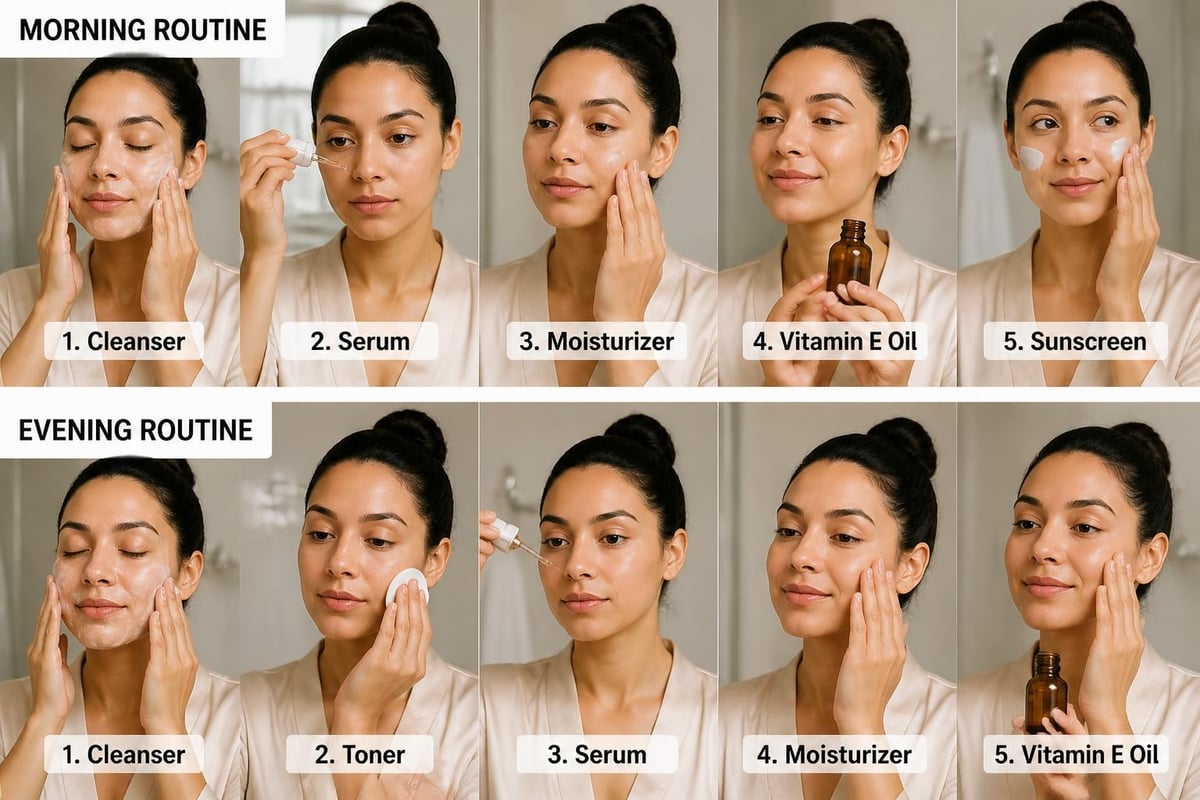
Morning vs. Evening Use
Morning application requires caution. Pure vitamin E oil is photostable, meaning it won't degrade in sunlight, but its thick consistency can interfere with sunscreen application. If you use it in the morning:
- Apply it to dry patches or under-eye areas only
- Wait at least 10 minutes before applying sunscreen
- Use a lighter concentration (5-10% blend)
- Consider mixing one drop into your regular moisturizer
Evening application gives you more flexibility. The oil has time to penetrate overnight without competing with other products. Many people layer it after water-based serums but before heavier night creams, following the "thinnest to thickest" rule.
Targeted Treatments That Work
Rather than applying pure vitamin E oil all over your face, strategic targeting often yields better results:
- Cuticles and nails: Massage a drop into each cuticle before bed to prevent cracking
- Stretch marks: While evidence is limited, consistent application during pregnancy may improve skin elasticity
- Dry elbows and knees: The thick consistency excels at these problem areas
- Lip care: Mix with coconut oil for a nourishing overnight lip treatment
- Hair ends: One to two drops can tame split ends without weighing hair down
The body care collection at naturalē incorporates these targeted approaches, recognizing that different body areas need different formulations and concentrations.
Quality Matters: What to Look For
Walking through a beauty store in 2026, you'll find dozens of products claiming to contain vitamin E. The quality varies wildly. Here's what separates exceptional pure vitamin E oil from mediocre versions.
Source and Extraction Method
Natural vitamin E oil comes from plant sources. The extraction method impacts both purity and potency:
- Cold-pressed: Preserves the most natural form, though yields are lower
- Solvent extraction: More efficient but may leave trace residues
- Molecular distillation: Produces the purest form but is more expensive
Organic certification matters if you're concerned about pesticide residues, especially since vitamin E concentrates whatever was in the source plant. For those who prioritize sustainability and natural ingredients, understanding sourcing becomes part of the purchasing decision.
Preservation and Packaging
Pure vitamin E oil naturally resists oxidation, which is ironic given its role as an antioxidant. However, exposure to light, heat, and air will eventually degrade it. Look for:
- Dark amber or cobalt blue glass bottles
- Airless pump dispensers for larger bottles
- Expiration dates clearly marked
- Storage recommendations (typically cool, dark places)
Once opened, most pure vitamin E oil maintains potency for 6-12 months if properly stored. If your oil develops a strong, unpleasant smell or changes color dramatically, it's time to replace it.
Common Mistakes and How to Avoid Them
After years of formulating with natural ingredients and listening to customer experiences, I've noticed patterns in how people misuse vitamin E oil. These mistakes can turn a potentially beneficial ingredient into a frustrating experience.
Applying too much, too often: Because vitamin E oil is natural, people assume more is better. But pure vitamin E oil is incredibly concentrated. One to three drops usually suffices for the entire face. Using more doesn't increase benefits; it just clogs pores and creates a greasy film.
Ignoring individual reactions: Despite being natural, pure vitamin E oil causes contact dermatitis in some people. Always patch test on your inner arm for 24-48 hours before facial application. If you develop redness, itching, or bumps, this ingredient isn't for you.
Mixing with incompatible ingredients: Vitamin E works synergistically with vitamin C, but it can destabilize certain retinol formulas. If you're using prescription skincare, consult your dermatologist before adding pure vitamin E oil to your routine.
When to Skip Vitamin E
Some skin types and conditions don't respond well to pure vitamin E oil:
- Active acne (comedogenic for many)
- Very oily skin (may increase shine)
- Eczema flare-ups (though some find it helpful between flares)
- Immediately post-procedure skin (wait until cleared by your provider)
The regulatory guidelines governing cosmetic use of tocopherol acknowledge these considerations, setting limits on concentration in leave-on versus rinse-off products.
Combining Vitamin E with Other Natural Ingredients
Pure vitamin E oil shines brightest when combined with complementary natural ingredients. This is where traditional knowledge meets modern formulation science.
Power Pairings
| Vitamin E + | Benefits | Application Method |
|---|---|---|
| Coconut oil | Enhanced moisture barrier, antimicrobial boost | Mix 2-3 drops per tablespoon of coconut oil |
| Jojoba oil | Balanced hydration without heaviness | 5% vitamin E in jojoba for daily use |
| Rosehip oil | Combined antioxidant and vitamin A benefits | Equal parts for targeted treatments |
| Aloe vera gel | Soothing inflammation with antioxidant protection | Add 1 drop per teaspoon of gel |
At naturalē, our handmade natural soap incorporates these traditional pairings, recognizing that Indonesia's coastal communities have long combined plant oils for enhanced benefits.
Creating Your Own Blends
Making custom blends allows you to tailor vitamin E oil to your exact needs. Start with a base carrier oil (30ml), then add:
- 3-5ml pure vitamin E oil (10-15% concentration)
- Optional: 5-10 drops essential oil for fragrance
- Optional: A small amount of another oil like argan or sweet almond
Mix thoroughly in a dark glass bottle and use within three months. Label it with the creation date and ingredients.

The Environmental and Ethical Dimension
In 2026, we can't discuss skincare ingredients without addressing their environmental footprint and social impact. Pure vitamin E oil production involves complex considerations that conscious consumers should understand.
Sustainable Sourcing Challenges
Most commercial vitamin E comes from soy, corn, or wheat germ oil. Large-scale production of these crops raises questions about:
- Agricultural practices and pesticide use
- Habitat conversion for crop expansion
- Water consumption in processing
- Carbon footprint of extraction and refinement
Smaller producers who use sustainable methods exist, but they represent a minority of the market. When possible, seek out brands that provide transparency about their vitamin E sources.
Supporting Traditional Knowledge
Communities across Indonesia and beyond have used vitamin-rich plant oils for generations. The challenge in 2026 is honoring this traditional knowledge while scaling production responsibly. This means ensuring that the communities who stewarded these practices benefit from commercial applications.
Working with coastal communities, naturalē has seen firsthand how empowering local women in production creates better outcomes than extraction-focused business models. When vitamin E appears in our formulations, it's part of a broader ecosystem of ethical sourcing and community benefit.
Looking Ahead: Vitamin E in Modern Natural Skincare
The conversation around pure vitamin E oil continues evolving. Recent clinical reviews highlight both promising applications and important limitations, pushing us toward more honest, evidence-based claims.
What's Changing in 2026
The natural skincare industry is moving beyond simple "good versus bad" ingredient lists. Instead, we're seeing:
- Context-dependent recommendations: Recognizing that vitamin E works for some but not all
- Transparency about limitations: Acknowledging where evidence is weak
- Focus on formulation: Understanding that how you use vitamin E matters as much as whether you use it
- Integration with traditional practices: Learning from communities who've used these ingredients for generations
This more sophisticated approach serves everyone better. Rather than chasing the next miracle ingredient, we can make informed choices based on our individual needs, values, and skin responses.
Practical Wisdom for Today
If you decide to try pure vitamin E oil, start small. Purchase a small bottle (30ml or less) to test your skin's response. Use it strategically on specific concerns rather than as an all-over treatment. Pay attention to how your skin responds over weeks, not days. And remember that natural doesn't automatically mean suitable for everyone.
The most important lesson I've learned working with natural ingredients is that patience and observation matter more than product quantity. Your skin tells you what it needs if you listen carefully. Sometimes that includes vitamin E, and sometimes it doesn't.
For those interested in exploring how traditional Indonesian ingredients complement modern skincare, the naturalē body care range offers formulations that respect both scientific evidence and traditional wisdom, creating products that work with your skin rather than against it.
Pure vitamin E oil offers real benefits when used appropriately, but it's not the miracle cure that some marketing suggests. Understanding its actual effects helps you make better skincare choices. At naturalē, we believe in combining traditional Indonesian craftsmanship with honest, evidence-based formulation. If you're ready to explore natural bodycare products that respect both science and tradition, discover our handcrafted collection created by coastal communities who understand the true power of natural ingredients.


