

Cart
0
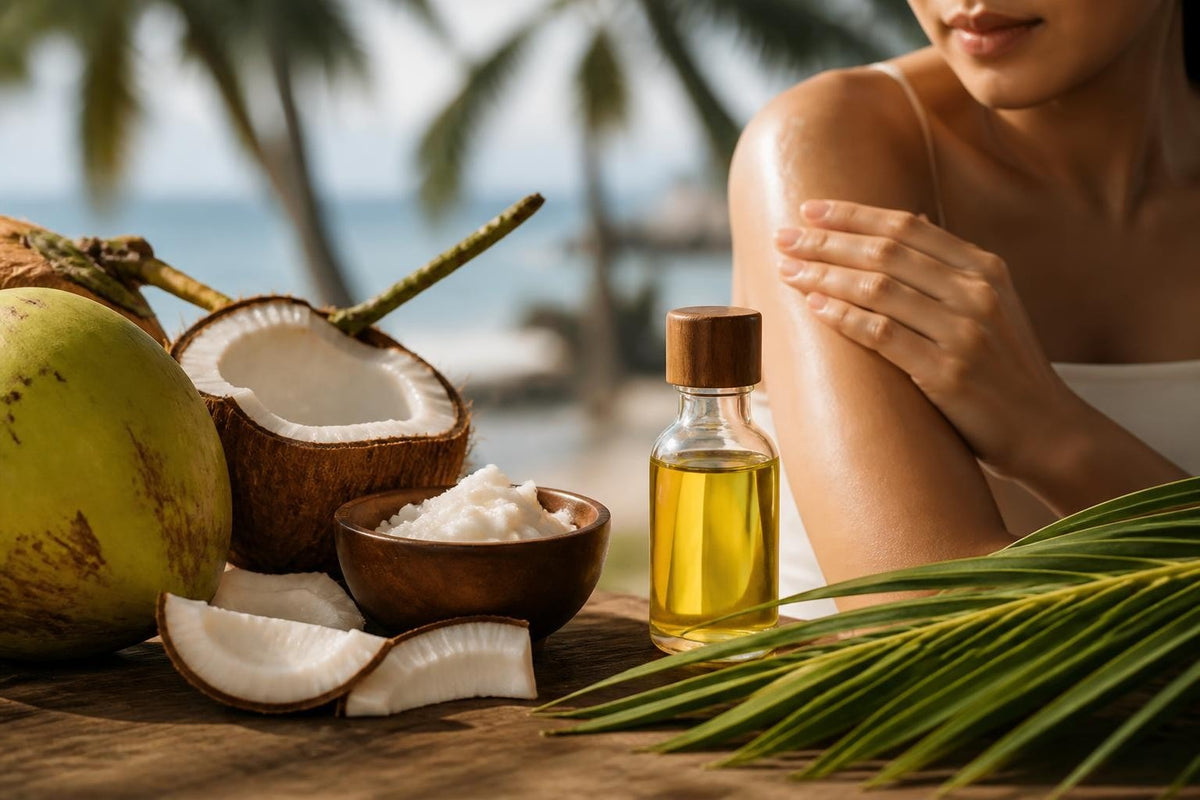
The scent of fresh coconut meat drying in the tropical sun. The rhythmic sound of waves against Indonesian shores where women have gathered for generations to craft healing oils. This is where the story of natural body oil begins, not in sterile laboratories, but in coastal villages where traditional wisdom meets modern skincare needs. As we navigate 2026's growing wellness movement, more people are discovering what these communities have known for centuries: nature provides everything our skin needs to thrive.
The Foundation of Pure Skin Nourishment
Natural body oil represents more than just a beauty product. It's a bridge connecting ancient knowledge with contemporary self-care practices.
When you pour a few drops into your palm, you're holding concentrated plant wisdom. Unlike synthetic lotions packed with petroleum derivatives and unpronounceable chemicals, pure oils work with your skin's natural barrier. They don't just sit on the surface. They sink deep, delivering nutrients your largest organ recognizes and welcomes.
What Makes Body Oil Truly Natural
Not all oils marketed as "natural" deserve the label. Authenticity matters.
Key characteristics of genuine natural body oil include:
- Single-source ingredients you can trace to specific regions
- Cold-pressed or traditional extraction methods that preserve bioactive compounds
- Absence of synthetic fragrances, parabens, and sulfates
- Minimal processing that maintains the oil's original nutritional profile
- Packaging that protects against oxidation and light damage
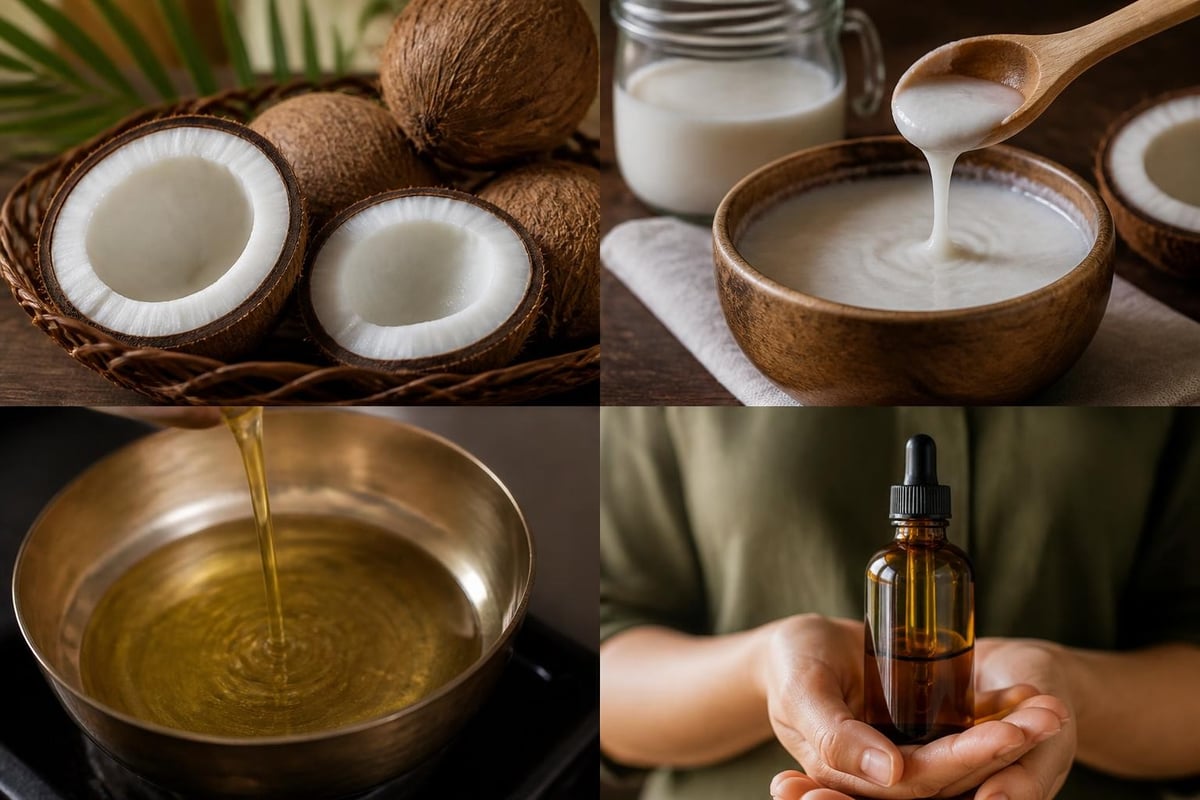
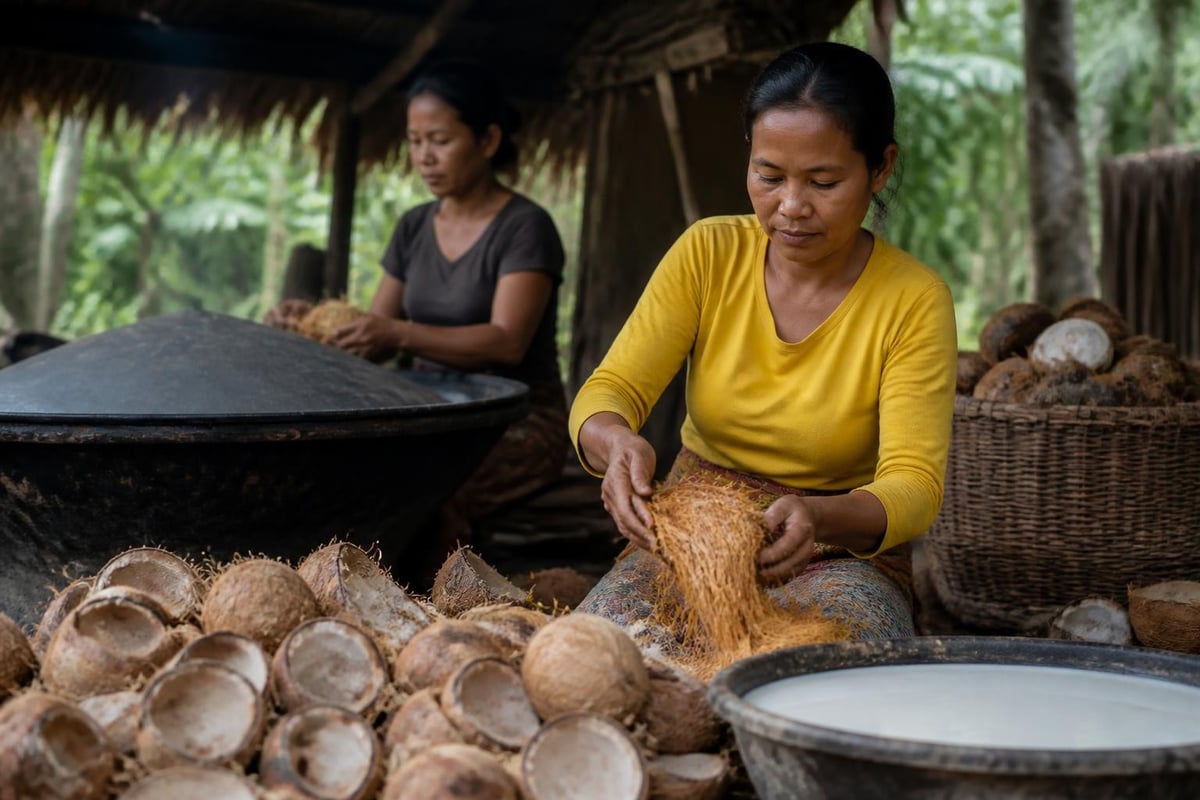
The difference becomes obvious when you compare industrial production with handcrafted methods. In Indonesia's coastal villages, women still use techniques passed down through generations. They crack coconuts by hand, extract meat carefully, and process oil in small batches. This attention to detail preserves the very compounds that make virgin coconut oil effective for topical application.
Why Your Skin Craves Natural Oils
Your skin speaks a chemical language that synthetic products can't replicate. Natural body oil fluently communicates in that dialect.
Human sebum, the oil your skin naturally produces, contains specific fatty acids. When you apply plant oils with similar compositions, your skin recognizes them as allies rather than foreign invaders. Coconut oil, for instance, contains lauric acid, a medium-chain fatty acid that's antimicrobial and deeply moisturizing. Your skin doesn't just tolerate it. It welcomes it home.
The Science Behind Natural Absorption
Modern research validates traditional practices. Studies show that certain plant oils penetrate the stratum corneum more effectively than synthetic moisturizers.
| Oil Type | Primary Fatty Acids | Best For | Absorption Speed |
|---|---|---|---|
| Coconut | Lauric, Capric | All skin types, antimicrobial needs | Fast |
| Jojoba | Omega-9 (mimics sebum) | Oily, acne-prone skin | Medium |
| Sweet Almond | Omega-6, Vitamin E | Dry, sensitive skin | Medium-Fast |
| Argan | Omega-6, Vitamin E | Anti-aging, elasticity | Medium |
The molecular size determines how deeply an oil penetrates. Coconut oil's medium-chain fatty acids slip through skin layers that block larger molecules. This explains why a body oil crafted from pure ingredients feels lighter than heavy petroleum-based lotions yet delivers more lasting hydration.
Crafting Your Natural Oil Ritual
Incorporating natural body oil into daily routines transforms mundane tasks into mindful moments.
Morning application steps:
- Step out of the shower while skin remains slightly damp
- Dispense 3-5 drops of oil into your palm
- Warm the oil between your hands for 10 seconds
- Apply using long, sweeping motions following lymphatic pathways
- Focus on areas prone to dryness: elbows, knees, heels
The dampness matters more than you might think. Water on your skin's surface mixes with the oil, creating a natural emulsion that locks in hydration. This simple technique can triple moisture retention compared to applying oil on completely dry skin.
Seasonal Adjustments
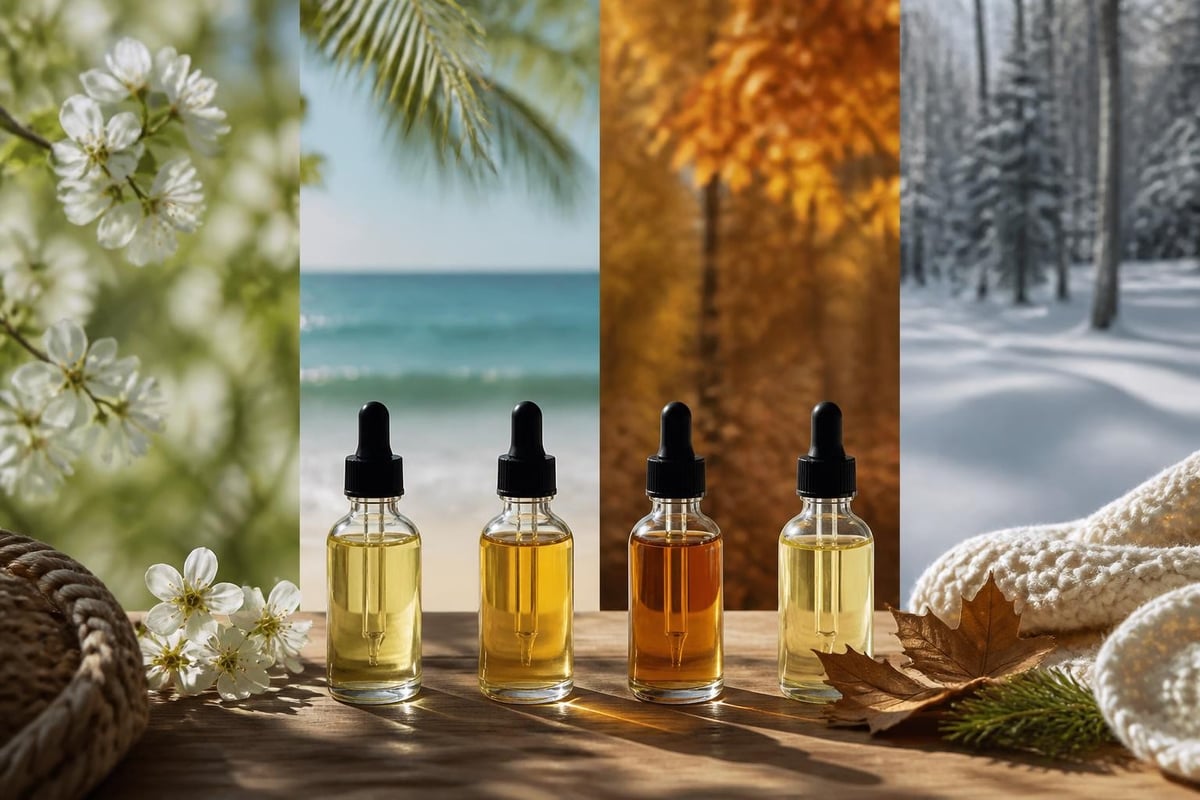
Your skin's needs shift with climate and temperature. Natural body oil adapts beautifully.
During humid Indonesian summers, lighter application suffices. Two drops warmed and pressed into still-wet skin provides enough nourishment without feeling heavy. As the dry season arrives, increase to five drops and layer under a hand-body lotion for extra protection.
Winter months in temperate climates demand different strategies. Combine oils with gentle exfoliation using a body scrub twice weekly. This removes dead cells that prevent oil absorption, allowing nutrients to reach living skin layers where they work their magic.
Special Considerations for Sensitive Skin
Natural doesn't automatically mean gentle for everyone. Understanding individual reactions protects vulnerable skin.
Essential oils, while natural, can trigger sensitivities. The National Institute of Environmental Health Sciences highlights concerns about potential irritation and endocrine effects from concentrated essential oils. This doesn't mean avoiding them entirely, but using them wisely.
Safe Practices for All Ages
Dilution guidelines for essential oil additions:
- Adults: 2-3 drops per tablespoon of carrier oil
- Children (3-10 years): 1 drop per tablespoon
- Infants (6+ months): Consult pediatrician, use carrier oil alone
- Newborns: Avoid essential oils; use pure carrier oils only
For babies and very young children, pure carrier oils without added fragrances provide the safest option. Research on newborn skin care shows that sunflower and coconut oils support healthy skin development when applied correctly. The World Health Organization provides clear guidance on using emollients for vulnerable populations, emphasizing simplicity over complexity.
Sourcing and Sustainability
The story behind your natural body oil matters as much as what's inside the bottle.
Every purchase sends ripples through supply chains. When you choose oils crafted by coastal communities in Indonesia, you support women artisans who earn fair wages doing meaningful work. These aren't abstract benefits. They're real people putting children through school, maintaining traditional knowledge, and protecting coastal ecosystems.
Environmental Impact
Traditional oil production methods leave gentler footprints than industrial manufacturing.
| Production Method | Water Usage | Chemical Inputs | Carbon Footprint | Community Impact |
|---|---|---|---|---|
| Small-batch Traditional | Minimal | None | Very Low | High (local employment) |
| Certified Organic Industrial | Moderate | None | Moderate | Medium |
| Conventional Industrial | High | Pesticides, solvents | High | Low |
Cold-pressing coconuts by hand requires no electricity beyond minimal processing. The remaining coconut flesh becomes animal feed or compost. Shells transform into sustainable fuel or upcycled goods. Nothing goes to waste when production honors traditional wisdom.
Beyond Basic Moisturization
Natural body oil serves multiple purposes beyond keeping skin soft.
Ancient massage traditions across Southeast Asia center on therapeutic oil application. The practice of urut, traditional Indonesian massage, relies on natural oils to facilitate healing touch. Practitioners warm coconut oil infused with local botanicals, then use specific techniques to release muscle tension and promote circulation.
Multi-Purpose Applications
Creative uses for pure body oil:
- Pre-shave treatment: Apply thin layer before shaving to protect skin and improve razor glide
- Cuticle conditioner: Massage into nail beds nightly to prevent hangnails and strengthen nails
- Split-end sealer: Warm drop smoothed over hair tips prevents breakage between trims
- Bath additive: Pour tablespoon into warm bathwater for full-body hydration
- Makeup remover: Gentle enough for eyes, effective on waterproof formulas
These versatile applications reduce the number of products cluttering your bathroom. One well-crafted natural body oil replaces five or six specialized items, simplifying routines while delivering better results.
Combining Oils with Other Natural Products
Layering natural skincare creates synergistic effects greater than individual products alone.
Start with proper cleansing using handmade natural soap formulated without harsh detergents. These traditional soaps preserve skin's protective acid mantle rather than stripping it away. Follow with body oil while skin remains damp, then seal everything with a body butter on particularly dry areas.
Building Complete Routines
The order of application determines effectiveness. Think of it as building layers in a painting, each contributing to the final masterpiece.
Morning routine (dry climate):
- Shower with gentle body wash
- Pat skin 70% dry (leave slightly damp)
- Apply natural body oil head to toe
- Wait 2-3 minutes for absorption
- Dress in breathable fabrics
Evening routine (intensive care):
- Dry brush before shower to exfoliate and stimulate circulation
- Cleanse with natural soap
- Apply body oil generously to damp skin
- Add face oil specifically formulated for delicate facial skin
- Layer body butter on elbows, knees, feet
- Sleep in natural-fiber clothing that allows skin to breathe
This approach addresses skin's different needs throughout the day. Morning application provides protection against environmental stressors. Evening routines focus on deep nourishment and repair during sleep when cell regeneration peaks.
Understanding Quality Indicators
Not every bottle labeled "natural body oil" delivers on its promise. Learning to evaluate quality protects both your skin and your investment.
Red flags to avoid:
- Ingredient lists longer than five items
- "Fragrance" or "parfum" listed (usually synthetic)
- Clear bottles exposing oil to light
- Absence of harvest or production dates
- Prices significantly below market average
- Marketing focused on miracle claims rather than ingredient transparency
Legitimate natural body oil doesn't need fancy marketing. The ingredients speak for themselves. When you see "100% virgin coconut oil" or "cold-pressed jojoba oil" with nothing else added, you've found authenticity. The best producers share their story and mission openly, connecting you to the people and places behind each bottle.
Addressing Common Concerns
Switching from conventional lotions to natural body oil raises questions. Let's address the most frequent ones.
"Won't oil make my skin greasy?"
Only if you use too much or apply to completely dry skin. The damp-skin technique allows oil to blend with water, creating a lightweight emulsion. Start with two drops. You can always add more, but you can't subtract excess.
"How long does natural oil last?"
Properly stored oils remain potent for 12-18 months. Keep bottles away from heat and light. Refrigeration extends shelf life for oils you won't use quickly. Watch for rancid smells (like old crayons), which indicate oxidation.
"Can I use the same oil on my face?"
Some oils work beautifully on faces, others clog pores. Coconut oil suits most body skin but may cause facial breakouts in acne-prone individuals. Dedicated face oils formulated with non-comedogenic ingredients serve facial skin better.
Purity and Safety
Understanding what goes into (and stays out of) natural body oil empowers informed choices.
The National Center for Complementary and Integrative Health discusses how even beneficial natural substances like peppermint oil require proper use to avoid adverse effects. This principle applies to all essential oils. They're concentrated plant medicine, not casual additions.
Pure carrier oils without essential oil additions offer the safest starting point. Once you understand how your skin responds, you can explore essential oil combinations that enhance therapeutic benefits without overwhelming sensitive systems.
Cultural Heritage in Every Drop
When you smooth natural body oil across your skin, you participate in living traditions spanning centuries.
Indonesian coastal communities have harvested coconuts and crafted oils since long before commercial beauty industries existed. These practices survived because they worked, healing tropical skin exposed to sun, salt, and humidity. Modern science now validates what grandmothers always knew: simple, pure ingredients outperform complex formulations.
Supporting artisan producers preserves this knowledge for future generations. It ensures young women in these communities see viable futures in traditional crafts rather than abandoning ancestral practices for factory work in distant cities. Your skincare choices ripple outward, touching lives across continents.
The Future of Natural Skincare
As we move deeper into 2026, trends point toward radical transparency and traceability in beauty products.
Consumers increasingly demand to know exactly where ingredients originate, who harvested them, and under what conditions. Blockchain technology now allows tracking individual coconuts from specific groves to finished bottles. This accountability benefits everyone: producers receive fair compensation, consumers gain confidence in purity, and environmental standards improve industry-wide.
Natural body oil sits at the intersection of these positive trends. It represents skincare stripped to essentials, free from the chemical burden conventional products impose on both bodies and ecosystems. As more people discover the simplicity and effectiveness of pure plant oils, the market for authentic, sustainably produced options will continue expanding.
The brands that thrive will be those rooted in genuine values, not just green-washed marketing. Look for companies that share detailed information about their packaging choices, shipping practices, and community impact. Authenticity reveals itself in transparency.
Natural body oil offers more than moisturized skin. It connects you to ancient traditions, supports sustainable communities, and simplifies self-care while delivering superior results. When you choose handcrafted oils made from pure ingredients, you invest in both your wellbeing and the livelihoods of artisan producers. Naturalē brings Indonesia's coastal wisdom directly to you through small-batch oils crafted by local women using traditional methods that honor both skin and planet. Experience the difference that authentic, sustainably produced natural skincare makes in your daily ritual.


