

Cart
0
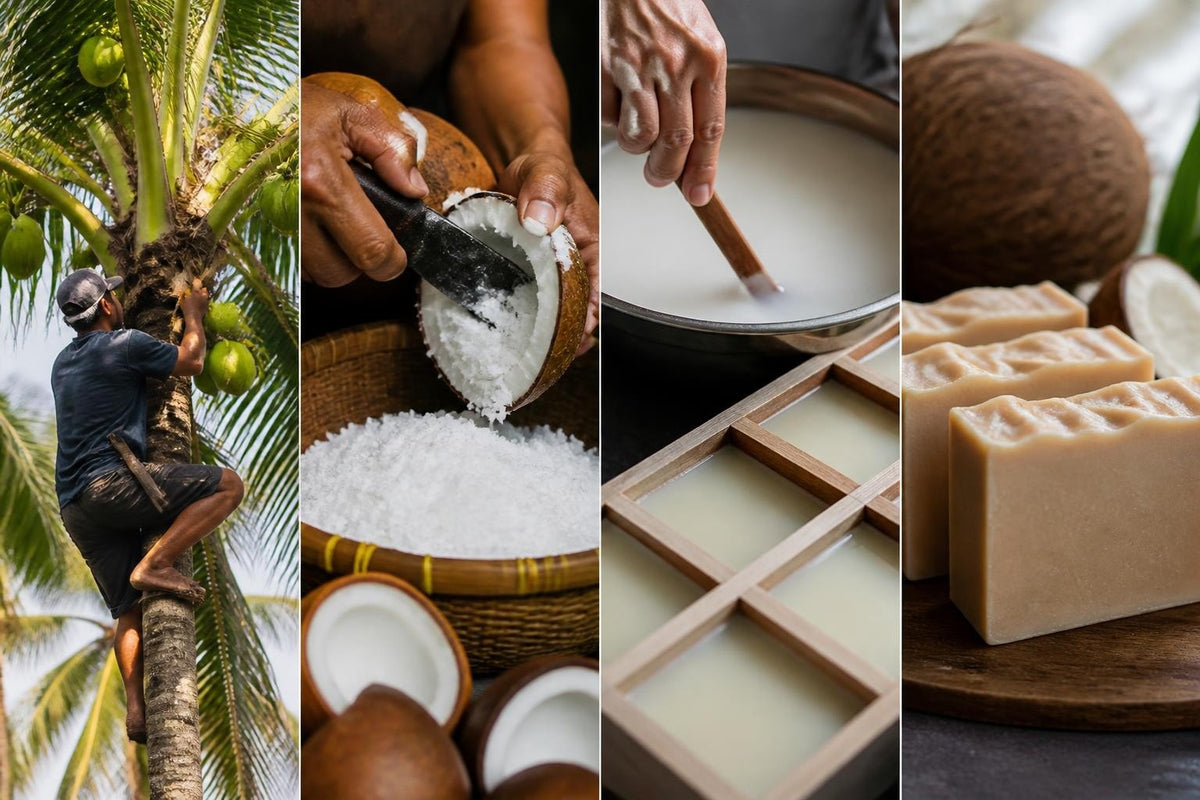
The bathroom shelf transformation happening in homes worldwide tells a remarkable story. Where synthetic detergent bars once dominated, handcrafted naturalsoap now claims pride of place, wrapped in simple paper, carrying the scent of coconut groves and the promise of gentler skincare. This shift represents more than a purchasing decision. It's a reconnection with ancient wisdom, a vote for environmental responsibility, and an embrace of ingredients you can actually pronounce. For those seeking authenticity in their bodycare routine, understanding what makes naturalsoap different opens doors to healthier skin and a clearer conscience.
The Ancient Craft Behind Modern Natural Soap
Soap making didn't begin in laboratories. It started in cooking pots over open fires, where resourceful communities discovered that combining fats with alkaline ash created something magical: a substance that could lift dirt and oil from skin without harsh scrubbing.
Traditional naturalsoap follows this same fundamental chemistry, refined over millennia. The saponification process transforms plant oils and lye into gentle cleansing bars that respect skin's natural protective barrier. Unlike modern detergent bars formulated in factories, authentic naturalsoap retains glycerin, a humectant that draws moisture to skin rather than stripping it away.
What Actually Defines Natural Soap
The term "natural" carries weight in 2026's regulated cosmetics market. According to the COSMOS Standard for organic and natural cosmetics, true naturalsoap must meet specific criteria regarding ingredient sourcing, processing methods, and environmental impact.
Key characteristics of genuine naturalsoap include:
- Base oils derived from plants (coconut, olive, palm, shea)
- Minimal processing of raw ingredients
- No synthetic fragrances or colorants
- Biodegradable formulations
- Preservation of natural glycerin content
The European Commission's cosmetic ingredient database provides transparency about what qualifies as natural versus synthetic in soap formulations, helping consumers make informed choices.
The Indonesian Approach to Soap Crafting
Indonesia's coastal communities have perfected naturalsoap creation through generations of knowledge transfer. Women gather coconuts at peak ripeness, extract oil using traditional methods, and blend it with locally harvested botanicals.
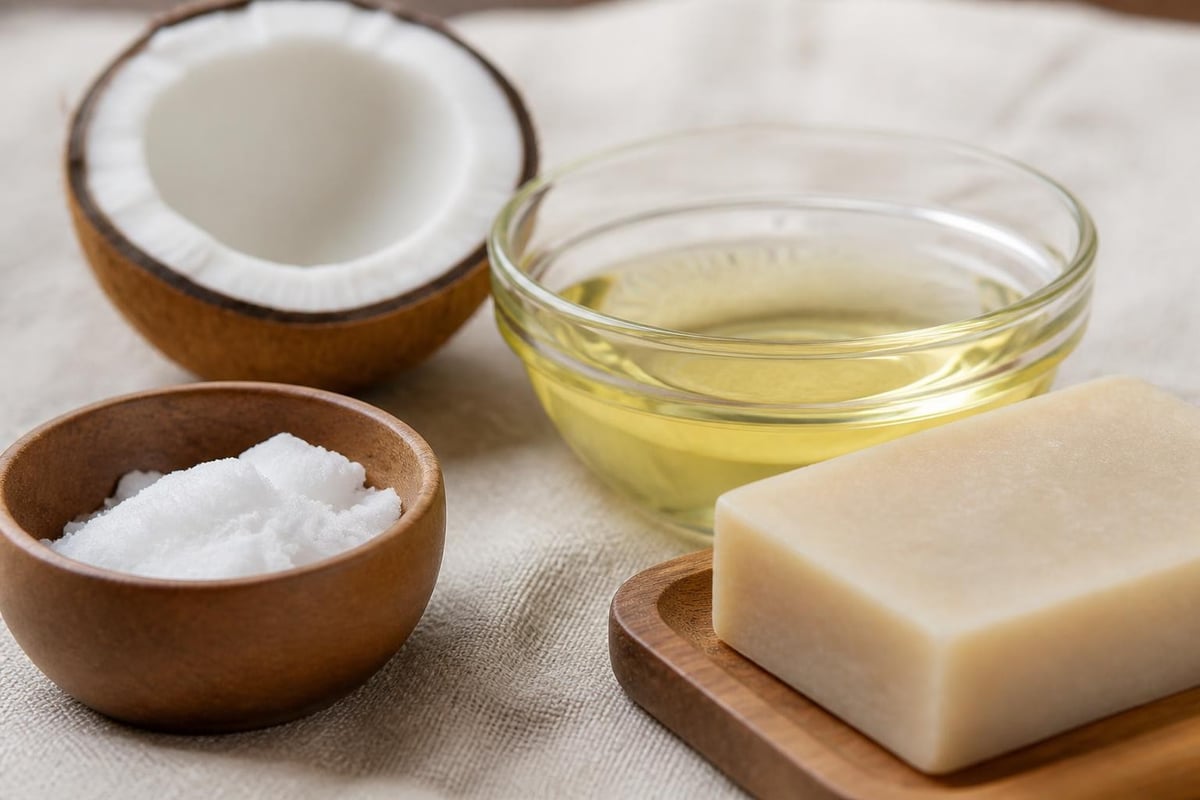
This isn't romanticized cottage industry. It's sophisticated craftsmanship that understands how different oil combinations affect lather, hardness, and skin feel. A naturalsoap bar from these communities might contain:
| Ingredient | Purpose | Traditional Source |
|---|---|---|
| Virgin coconut oil | Cleansing, lather | Fresh island coconuts |
| Palm oil | Hardness, longevity | Sustainable plantations |
| Essential oils | Fragrance, benefits | Local flowers, herbs |
| Natural colorants | Visual appeal | Clays, plants |
| Botanical additions | Texture, properties | Seaweed, frangipani |
The herbal extracts and essential oils incorporated into these formulations carry both cultural significance and demonstrable skincare benefits.
Why Your Skin Craves Natural Soap
Your skin isn't just a waterproof covering. It's a complex ecosystem hosting billions of beneficial microorganisms, regulated by a delicate pH balance, protected by a lipid barrier that conventional soaps systematically destroy.
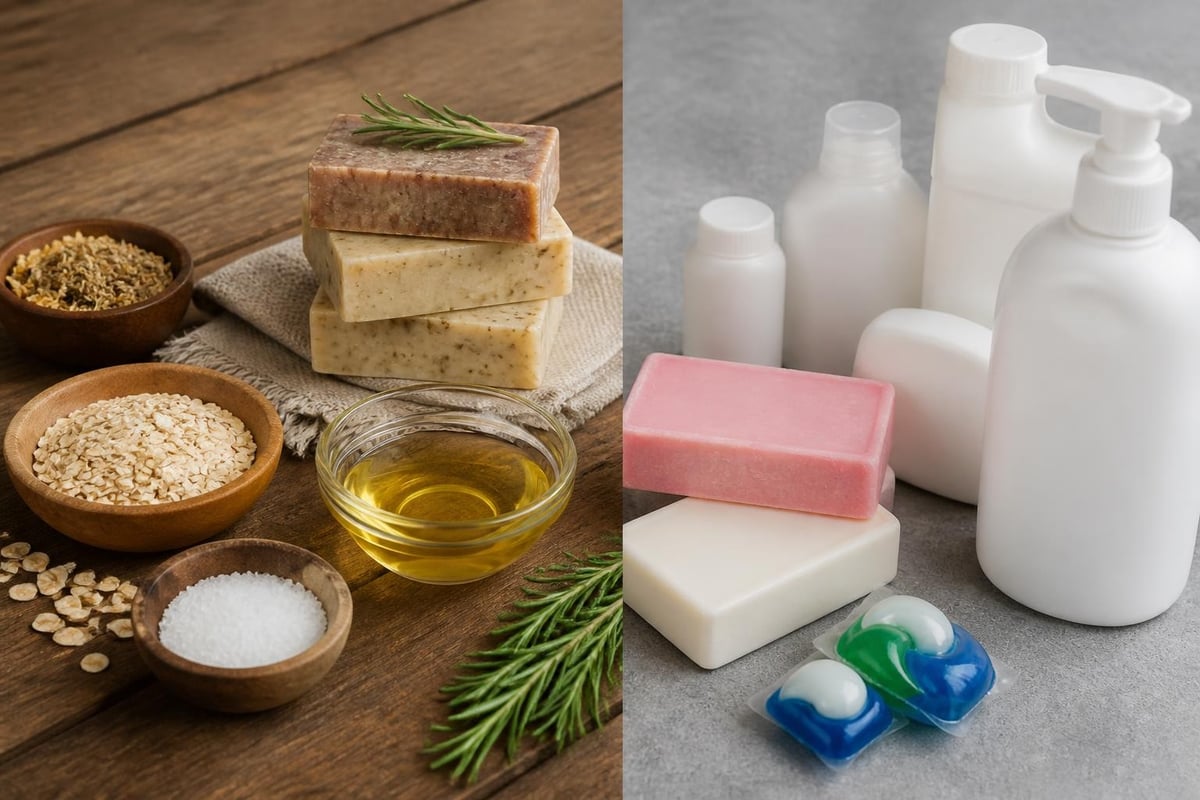
Commercial detergent bars, though convenient and cheap, typically contain sodium lauryl sulfate, synthetic hardeners, and petroleum-derived ingredients. These create abundant lather and long shelf life, but at a cost your skin pays daily.
The Glycerin Difference
Here's something most people don't realize: commercial soap manufacturers extract glycerin from their products to sell separately for higher profits. That glycerin becomes expensive lotions and serums marketed to repair the damage caused by glycerin-free soap.
Naturalsoap retains every drop of glycerin created during saponification. This means each wash deposits moisture-attracting compounds onto your skin rather than stripping natural oils. For people with eczema, psoriasis, or sensitive skin, this difference transforms daily cleansing from irritation to relief.
Benefits of glycerin-rich naturalsoap:
- Maintains skin's moisture barrier
- Reduces transepidermal water loss
- Supports beneficial skin microbiome
- Minimizes post-wash tightness
- Decreases need for additional moisturizers
Essential Oils as Active Ingredients
When formulated properly, essential oils in naturalsoap provide more than pleasant fragrance. Research published in a comprehensive Frontiers review on essential oils demonstrates their antimicrobial properties, skin permeation capabilities, and therapeutic potential.
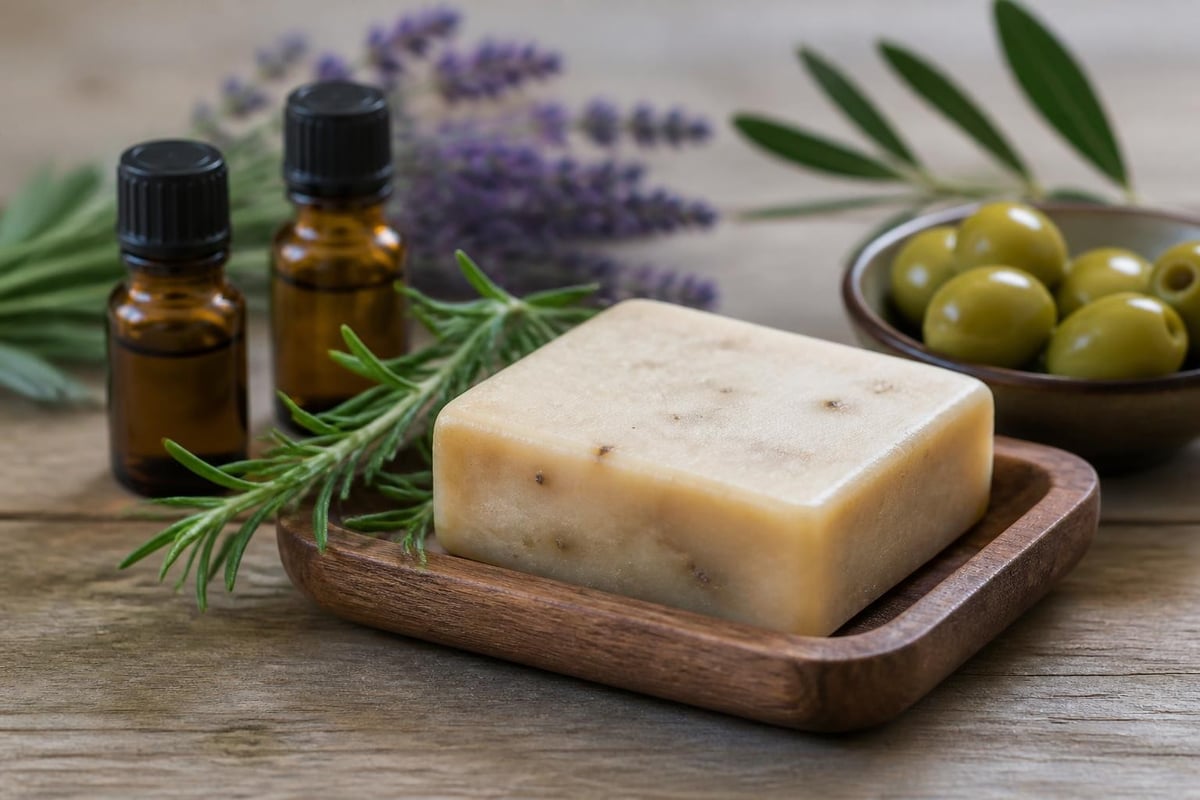
However, this same research emphasizes proper dilution and formulation. Naturalsoap makers must understand concentration limits, potential sensitizers, and appropriate combinations. A bar scented with synthetic fragrance simply smells nice. A bar properly formulated with frangipani or coastal botanicals offers functional skincare benefits alongside sensory pleasure.
Environmental Impact: Beyond Your Bathroom
Every product you purchase casts ripples across ecosystems far from your shower. Conventional soap production involves petroleum extraction, chemical synthesis, plastic packaging, and wastewater laden with compounds that resist breakdown in water treatment facilities.
Naturalsoap tells a different environmental story. The ingredients biodegrade rapidly, returning to soil and water as nutrients rather than pollutants. Production methods require less energy, generate minimal waste, and often support regenerative agriculture practices.
The True Cost of Synthetic Surfactants
Sodium lauryl sulfate and its chemical cousins create luxurious lather, but they also persist in waterways, accumulate in aquatic organisms, and disrupt reproductive systems in fish and amphibians. Municipal water treatment plants struggle to remove these compounds completely.
When you wash with naturalsoap made from coconut and palm oils, the fatty acid molecules break down within days. Fish downstream aren't swimming in your shower residue months later.
Packaging Philosophy
Walk into most stores and soap sits in plastic clamshells, wrapped in shrink film, housed in cardboard printed with petroleum-based inks. The soap might cost three dollars, but the environmental debt accumulates over decades as that packaging fragments into microplastics.
Traditional naturalsoap needs nothing more than paper wrapping or a simple paper band. At naturalē, our packaging philosophy extends beyond minimalism to active environmental benefit, using materials that compost rather than persist.
Choosing Quality Natural Soap
Not all bars labeled "natural" deliver on that promise. The absence of strict regulation means marketing often outpaces substance. Learning to evaluate naturalsoap helps ensure you're getting authentic handcrafted quality.
Reading Ingredient Lists
Soap ingredients appear in descending order by weight. Quality naturalsoap lists specific oils (coconut oil, olive oil) rather than vague terms like "vegetable oil blend." Synthetic additives often hide behind technical names, but a few red flags include:
- Sodium lauryl sulfate (SLS)
- Propylene glycol
- Synthetic fragrance
- Parabens (methylparaben, propylparaben)
- Synthetic colorants (FD&C colors)
Contrast this with a typical naturalsoap ingredient list: saponified coconut oil, saponified palm oil, essential oils, natural clay, dried botanicals. Simple. Transparent. Traceable.
Understanding the Cure Time
Freshly made naturalsoap contains excess moisture and active lye. Quality soapmakers cure their bars for 4-6 weeks, allowing water to evaporate and pH to stabilize. This patience creates harder, longer-lasting bars that are gentler on skin.
Mass-produced detergent bars skip this curing entirely, using synthetic hardeners and drying agents instead. When you find naturalsoap that's rock-hard and lasts weeks in the shower, you're experiencing the benefit of proper aging.
| Quality Indicator | Handcrafted Natural | Commercial Detergent |
|---|---|---|
| Ingredient count | 5-10 simple items | 15+ complex chemicals |
| Cure time | 4-6 weeks minimum | None (synthetic process) |
| Glycerin content | Naturally retained | Extracted for profit |
| Lather quality | Moderate, creamy | Abundant, harsh |
| Skin feel after use | Soft, moisturized | Tight, stripped |
| Biodegradability | Complete within days | Partial, persistent compounds |
The Social Dimension of Natural Soap
Behind every bar of authentic naturalsoap stands a person who crafted it. Often, this person is a woman in a coastal community where economic opportunities remain limited, where traditional knowledge risks disappearing as younger generations migrate to cities.
Empowerment Through Craftsmanship
When you purchase naturalsoap made by Indonesian artisans, you're not just buying cleanser. You're voting for an economic model that values skill over speed, quality over quantity, community over corporation.
These craft traditions provide steady income, preserve cultural knowledge, and create dignity through meaningful work. The women who make naturalsoap aren't just factory workers repeating mechanical tasks. They're artisans adjusting formulations for humidity, selecting the ripest coconuts, blending scents that carry generations of botanical wisdom.
This matters. In 2026, as automation threatens countless livelihoods, supporting handcrafted naturalsoap protects jobs that machines can't replicate and knowledge that algorithms can't encode.
Building Resilient Communities
The naturalsoap economy functions differently than conventional manufacturing. Instead of extracting resources and profits from coastal regions to enrich distant shareholders, it circulates wealth locally. Coconut farmers, oil processors, packaging artisans, and soapmakers all participate in shared prosperity.
At naturalē, this commitment extends across multiple Indonesian regions, from Bali to Togean to Raja Ampat, creating economic resilience through diversified production and mutual support.
Integrating Natural Soap Into Daily Life
Switching to naturalsoap requires small adjustments. These bars behave differently than synthetic detergents, rewarding you with superior results once you understand their characteristics.
Proper Storage Extends Life
Naturalsoap needs drainage between uses. Sitting in pooled water dissolves the bar prematurely, wasting your investment and creating mushy messes. A soap tray with drainage channels or slats allows air circulation, keeping bars dry and hard.
Best practices for naturalsoap longevity:
- Use a draining soap dish exclusively
- Keep bars away from direct shower spray
- Rotate between two bars if showering twice daily
- Cut large bars in half for better drying
- Store backup bars in cool, dry locations
Adjusting Expectations for Lather
Synthetic detergents create mountains of bubbles through sulfates that strip skin and pollute water. Naturalsoap produces moderate, creamy lather that cleanses effectively without excess foam.
This initially feels different. You might wonder if it's working. It is. The absence of abundant bubbles indicates gentle, non-stripping cleansing that respects skin's natural balance rather than overwhelming it.
Complementary Products Enhance Results
Naturalsoap works beautifully within a complete natural bodycare routine. Following cleansing with hand and body lotion made from complementary natural ingredients maximizes skin health. Weekly body scrubs remove dead cells, allowing naturalsoap to work more effectively.
The Future of Natural Soap Making
As environmental awareness grows and consumers demand transparency, naturalsoap moves from niche alternative to mainstream preference. This shift brings both opportunities and challenges for traditional craftspeople.
Certification and Standards
Third-party certification helps consumers identify authentic naturalsoap amid greenwashing claims. The COSMOS standard mentioned earlier provides rigorous verification, though certification costs can burden small producers. Balancing accessibility with credibility remains an ongoing challenge.
Innovation Within Tradition
Modern naturalsoap makers aren't frozen in the past. They're incorporating new ingredients like seaweed rich in minerals, developing specialized formulations for different skin needs, and refining techniques while honoring core principles.
This evolution respects tradition while embracing improvement. A naturalsoap bar in 2026 might contain ingredients unknown to ancient soapmakers, but the fundamental philosophy remains unchanged: work with nature, not against it.
Scaling Sustainably
Growing demand for naturalsoap tempts some producers to industrialize, sacrificing handcrafted quality for volume and profit. Others maintain artisanal methods while expanding gradually, training new craftspeople and building networks of small producers.
The naturalē approach exemplifies this sustainable scaling, growing through community partnerships rather than factory expansion, maintaining quality through distributed craftsmanship rather than centralized mechanization.
Making the Switch: Practical Considerations
Transitioning from commercial soap to naturalsoap requires intention but rewards patience. Your skin needs time to adjust, shedding the dependency on synthetic ingredients and rebuilding natural balance.
The Adjustment Period
Expect 2-4 weeks of transition as your skin recalibrates. You might initially feel less clean, as naturalsoap doesn't create that squeaky-tight sensation synthetic detergents produce. That squeaky feeling is actually stripped, damaged skin, not cleanliness.
Persevere through adjustment. On the other side lies skin that feels genuinely healthy: soft, balanced, resilient. Many people report reduced need for moisturizers, fewer breakouts, and improved conditions like eczema after fully transitioning to naturalsoap.
Cost Versus Value
Quality naturalsoap costs more per bar than drugstore synthetic soap. This price reflects fair wages, real ingredients, proper aging, and sustainable practices. However, naturalsoap also lasts longer, requires less supplementary products, and prevents skin issues that create their own costs.
Consider the true economics: a four-dollar synthetic bar plus lotion, acne treatments, and dermatologist visits versus a ten-dollar naturalsoap bar that eliminates those additional expenses while supporting artisan communities.
Building Your Collection
Different naturalsoap formulations serve different purposes. A coconut-heavy bar excels for body washing with its cleansing lather. An olive oil-rich bar offers gentler face cleansing. Specialty formulations address specific needs.
Explore options through sampler sets or shower kits that introduce multiple varieties. This experimentation helps you discover which naturalsoap formulations work best for your skin type, water hardness, and personal preferences.
The journey to naturalsoap represents more than changing products on your bathroom shelf. It's a return to ingredients that work with your body's wisdom rather than against it, a choice that ripples outward to support communities and ecosystems far beyond your daily shower. Whether you're drawn by skin health, environmental responsibility, or the story behind handcrafted quality, authentic naturalsoap delivers benefits conventional alternatives simply cannot match. Experience the difference that traditional craftsmanship and genuine natural ingredients can make in your bodycare routine by exploring naturalē's collection of handcrafted products from Indonesia's coastal communities.


