

Cart
0
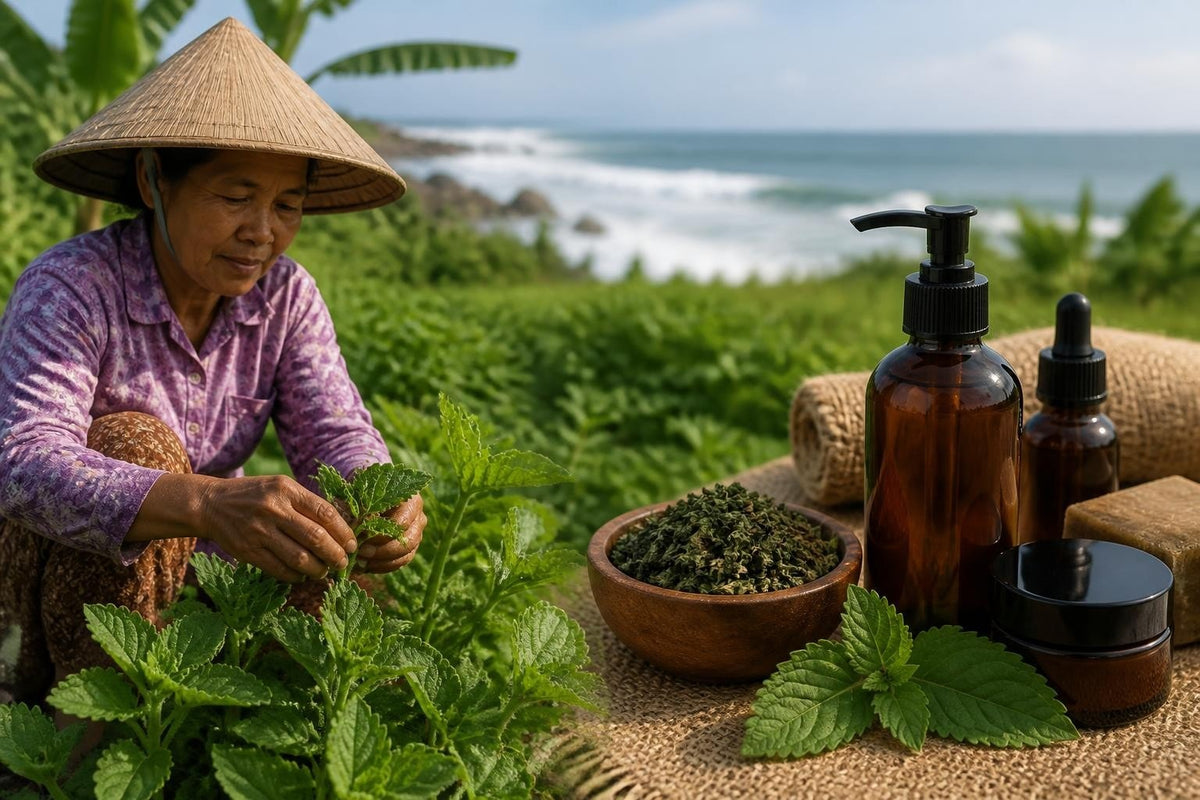
The air in Indonesia's coastal workshops carries a story written in scent. Among the bubbling vats of coconut oil and freshly cut soap bars, one aroma stands apart with its deep, earthy complexity. That's the unmistakable presence of patchouli, an essence that has traveled through centuries of traditional medicine, across oceans in the spice trade, and into the hands of modern artisans who recognize its unique power. For communities crafting natural bodycare products, this botanical treasure represents more than just fragrance. It embodies a philosophy where ancient wisdom meets sustainable innovation, where each drop connects us to the soil, the farmers, and a heritage of healing that refuses to be forgotten.
The Living History Behind an Iconic Scent
Long before patchouli became synonymous with bohemian culture in the 1960s, it held sacred space in Southeast Asian healing traditions. The plant itself, Pogostemon cablin, thrives in Indonesia's tropical climate, where humid air and volcanic soil create perfect growing conditions. Women in rural communities have harvested these leaves for generations, drying them carefully to preserve the precious essential oil within.
I remember speaking with an elder in a Balinese village who described how her grandmother would tuck dried patchouli leaves between stacks of fabric. This wasn't merely about pleasant scent; it was practical wisdom. The strong aroma deterred insects while the leaves absorbed moisture, protecting precious textiles in humid climates. That same antimicrobial quality that guarded cloth now finds its way into natural bodycare formulations, where tradition and science converge.
From Traditional Medicine to Modern Wellness
The therapeutic applications of this remarkable plant extend far beyond moth prevention. Recent comprehensive research on Pogostemon cablin reveals a sophisticated phytochemical profile containing patchoulol, pogostone, and numerous sesquiterpenes. These compounds contribute to documented anti-inflammatory, antimicrobial, and antioxidant properties.
Traditional Indonesian healers understood these benefits intuitively. They prepared patchouli poultices for skin irritations, brewed teas for digestive complaints, and created ointments for wound healing. Modern laboratories now confirm what these practitioners knew through generations of observation and careful application.
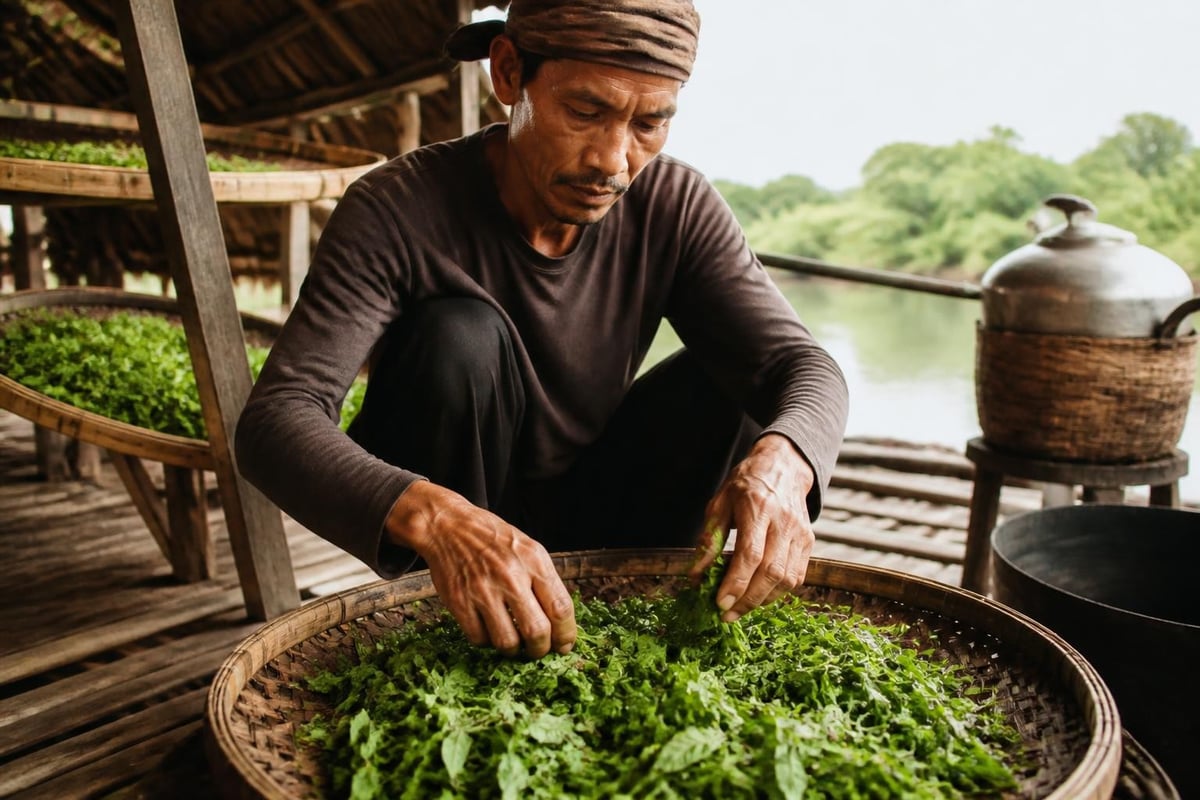
Consider the beauty of this knowledge transfer:
- Ancient practice: Crushing fresh leaves for topical application
- Modern adaptation: Steam distillation capturing essential oils
- Shared wisdom: Both methods preserve the plant's therapeutic compounds
- Sustainable evolution: Traditional harvesting prevents overharvesting while maintaining quality
Crafting with Conscience: Sustainable Sourcing
The patchouli supply chain tells a story about who benefits from nature's bounty. Large commercial operations often prioritize volume over community impact, but there's another path. Small-scale cultivation by coastal families creates economic opportunity while preserving biodiversity.
When artisans source patchouli from Indonesian smallholders, they're not just buying an ingredient. They're investing in agricultural practices that work with ecosystems rather than against them. The plants often grow alongside coffee, cacao, and fruit trees in diverse agroforestry systems. This polyculture approach, documented by FAO resources on essential oils and forest products, improves soil health, provides habitat for beneficial insects, and creates resilience against climate fluctuations.
The True Cost of Quality
Here's where the narrative gets interesting. Cheap patchouli oil floods the market, but its low price often reflects compromised quality and questionable sourcing. Premium oil from traditional producers costs more because it represents genuine value at every stage.
| Factor | Commercial Production | Artisan Sourcing |
|---|---|---|
| Harvest method | Mechanical, often premature | Hand-selected mature leaves |
| Drying process | Industrial ovens, rushed | Sun and shade, patient timing |
| Distillation | High-temperature, maximum yield | Low-temperature, optimal quality |
| Fair wages | Rarely guaranteed | Direct relationship ensures equity |
| Environmental impact | Monoculture, chemical inputs | Diverse cultivation, organic methods |
The women who harvest these leaves deserve fair compensation for their knowledge and labor. When naturalē prioritizes ethical sourcing, it acknowledges that quality begins with dignity. The hands that pick the leaves, the expertise that times the harvest, the patience that allows proper drying-these elements cannot be rushed or discounted without losing something essential.
Formulation Artistry: More Than Fragrance
Walk into a workspace where handmade natural soap takes shape, and you'll witness chemistry in action. Adding patchouli essential oil to a bodycare formulation requires understanding how its complex molecules interact with other ingredients.
The scent itself evolves. Fresh from the still, patchouli oil carries green, almost sharp notes. But something magical happens with age. Over months and years, the aroma mellows and deepens, developing sweet, woody undertones that perfumers call "improved with time." This aging potential makes it unique among essential oils.
Balancing Act: Patchouli in Blends
Creating effective bodycare products means respecting both sensory experience and therapeutic function. Too much patchouli overwhelms; too little gets lost. Master formulators develop an intuition for balance, considering:
- Base notes grounding: Patchouli anchors lighter scents, providing depth and longevity
- Synergistic pairings: Combining with citrus, floral, or spice oils creates complexity
- Skin compatibility: Dilution ratios that deliver benefits without irritation
- Regulatory compliance: Following IFRA fragrance safety standards ensures consumer protection
- Stability testing: Confirming the blend maintains integrity over shelf life
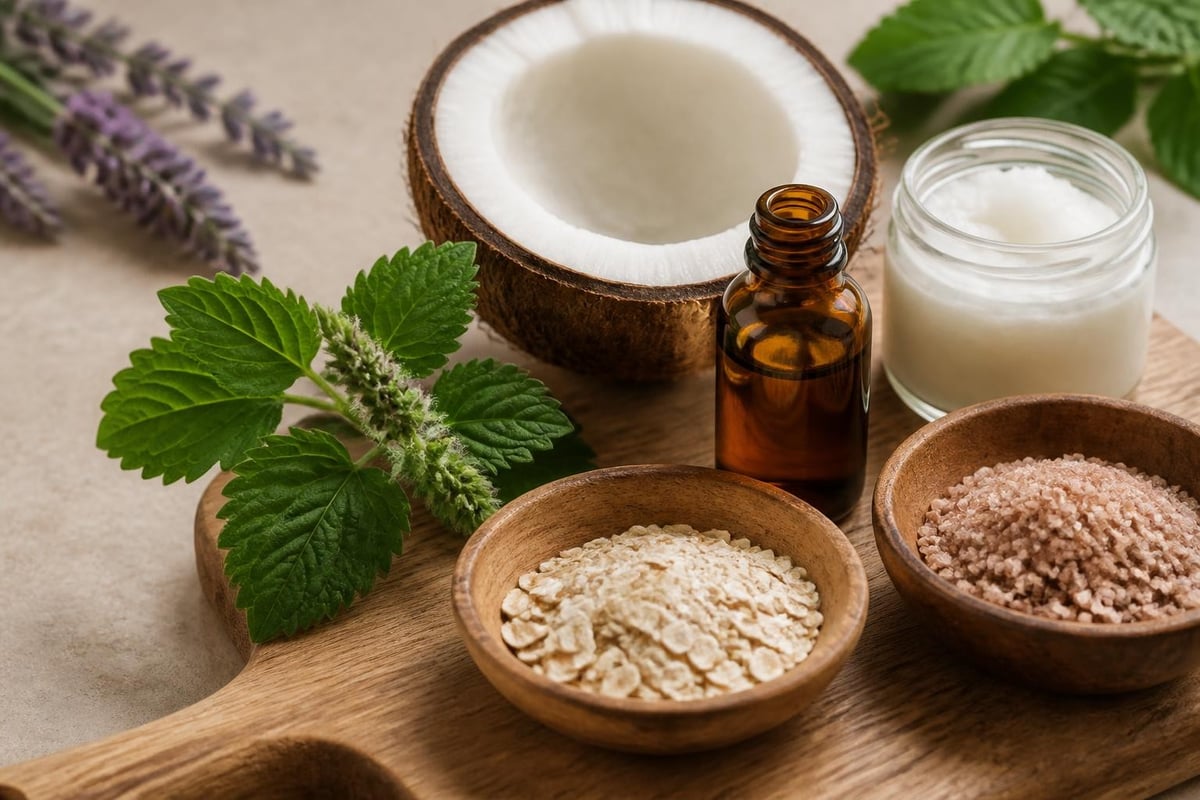
One formulator shared how she developed a body scrub featuring patchouli alongside volcanic sand and coconut oil. The earthy essence complemented the gritty texture while the antimicrobial properties enhanced the exfoliation benefits. Each element served multiple purposes, creating a product greater than the sum of its parts.
Science Meets Tradition: Evidence-Based Benefits
The laboratory and the workshop speak different languages, but they're increasingly finding common ground. Research on pharmacological activities of Pogostemon cablin validates traditional uses while revealing new applications.
Studies demonstrate that patchouli alcohol, the primary constituent of the essential oil, exhibits remarkable anti-inflammatory activity. This explains why traditional preparations helped soothe irritated skin. The same compound shows promise in addressing oxidative stress, which accelerates skin aging.
But here's what matters for people choosing natural bodycare products: these benefits translate into real-world results. When you massage oil containing patchouli into tired muscles, the aromatherapeutic properties calm your nervous system while the topical compounds support circulation. When you cleanse with patchouli-infused soap, the antimicrobial action helps maintain skin's healthy microbiome balance.
Modern Extraction, Traditional Wisdom
Innovation doesn't always mean abandoning old methods. Contemporary research on supercritical CO2 extraction shows promise for capturing patchouli's volatile compounds without heat damage. Yet steam distillation, practiced for centuries, remains the gold standard for many artisan producers.
Why? Because some wisdom can't be quantified. The distillers who learned from their mothers recognize subtle cues-the color shift in condensed oil, the precise moment harvest leaves reach optimal dryness, the seasonal variations that affect yield. This embodied knowledge, passed through demonstration rather than documentation, produces oil with intangible qualities that lab analysis struggles to measure.
Cultural Connection in Every Drop
The renaissance of natural bodycare products reflects something deeper than market trends. People crave authenticity and connection in an increasingly disconnected world. When someone chooses a body wash crafted with fairly sourced patchouli, they're not just buying toiletries. They're participating in a story.
That story includes the Indonesian farmer who tends her patchouli plants with the same care previous generations applied. It includes the distiller who maintains equipment handed down through family lines. It includes the formulator who experiments with ratios until the blend feels exactly right. And it includes the person standing in their shower, inhaling earthy steam, feeling momentarily transported to tropical gardens they may never physically visit.
This isn't romanticization. It's recognition that products carry intention and impact beyond their immediate function. The choices we make about what touches our skin ripple outward, affecting communities and ecosystems far from our bathroom shelves.
Building Transparent Supply Chains
Transparency has become essential for brands committed to ethical practice. When artisan producers share their sourcing philosophy, they invite customers into relationship rather than mere transaction.
Some companies now offer traceability, allowing consumers to learn where specific ingredients originated. Imagine scanning a code on your soap and seeing photos of the cooperative that grew your patchouli, reading about the sustainable practices they employ, understanding how your purchase supports their children's education.
This level of connection transforms consumption into conscious choice. It reminds us that every product represents countless decisions, and we can align our purchases with our values.
The Aromatherapeutic Dimension
Beyond skin benefits, patchouli offers psychological impact through our olfactory system. The scent molecules directly stimulate the limbic system, the brain region governing emotion and memory. This explains why certain fragrances instantly evoke vivid recollections or mood shifts.
Practitioners of aromatherapy value patchouli for grounding properties. When anxiety scatters thoughts and stress tightens shoulders, this earthy aroma can anchor awareness back to the present moment. It's no coincidence that meditation spaces and yoga studios often diffuse patchouli or similar grounding scents.
In bodycare applications, this creates multi-layered benefit:
- Physical: Antimicrobial and anti-inflammatory compounds support skin health
- Emotional: Grounding aroma promotes calm and centeredness
- Ritual: Regular use creates meaningful self-care practice
- Sensory: Rich, complex scent elevates everyday routines into experiences
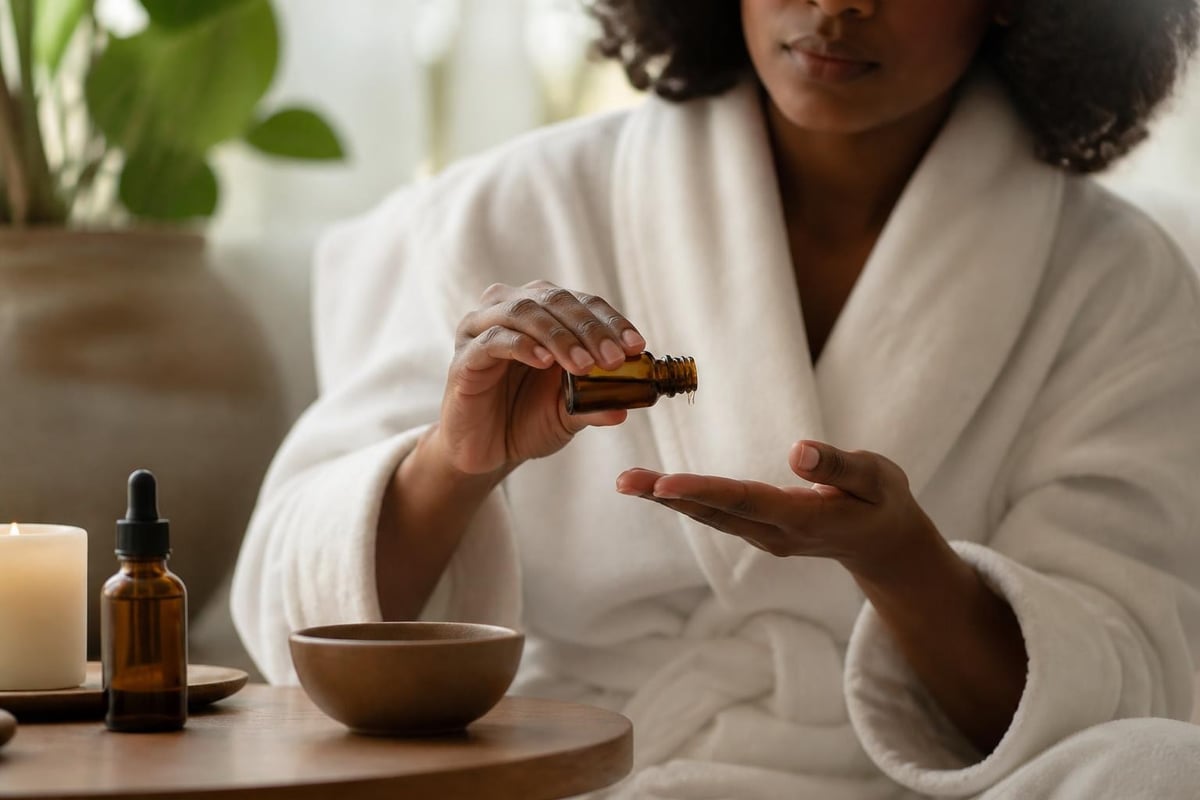
A woman who uses patchouli-infused lotion each evening creates more than a skincare routine. She establishes a transition ritual, a sensory signal that the day's demands are releasing their grip. The act of application becomes meditation, the scent becomes anchor, the care becomes practice.
Formulating for Different Skin Needs
Versatility makes patchouli valuable across diverse product types. Its sebum-balancing properties benefit both dry and oily skin, though application methods differ.
For dry, mature skin, patchouli combines beautifully with rich carriers like coconut oil, shea butter, or jojoba. The essential oil helps cell regeneration while the emollient base delivers deep moisture. Formulators might create a night serum pairing patchouli with rosehip and evening primrose oils for intensive repair.
Oily, acne-prone skin benefits from patchouli's antimicrobial and astringent qualities. In lighter bases like aloe gel or grapeseed oil, it helps regulate sebum production without stripping natural protection. A balancing toner might combine patchouli with witch hazel and tea tree for clarifying action.
Seasonal Considerations
Indonesia's tropical climate presents different challenges than temperate regions, but patchouli adapts beautifully. During humid monsoon months, its antifungal properties help prevent skin issues. In drier periods, it supports moisture retention.
This adaptability extends to product development. Artisans might adjust patchouli concentration seasonally, offering richer formulations for dry season self-care and lighter applications when humidity soars. Such responsiveness to environmental conditions reflects traditional knowledge of working with nature's rhythms rather than against them.
The Future of Traditional Ingredients
As we move deeper into 2026, the global bodycare industry faces important questions about sustainability, authenticity, and cultural respect. Patchouli's journey from traditional medicine to mainstream cosmetic illustrates both opportunities and risks.
The opportunity lies in fair trade systems that honor traditional knowledge while providing economic stability for farming communities. When brands commit to long-term relationships with Indonesian producers, they invest in sustainable agriculture, cultural preservation, and economic development.
The risk emerges when demand outstrips ethical supply. As patchouli's popularity grows, pressure increases to maximize yields through chemical inputs, premature harvest, or labor exploitation. Conscious consumers and responsible brands must actively resist this pressure.
Innovation can support tradition when applied thoughtfully. Modern testing verifies safety and efficacy, protecting both producers and users. Improved storage and transportation preserves quality across distances. Digital platforms connect artisan makers directly with conscious consumers, bypassing extractive middlemen.
Yet innovation must never erase the human element. The value of patchouli resides not only in its chemical constituents but in the relationships it represents and the livelihoods it sustains.
Practical Integration into Daily Rituals
For those new to patchouli, introduction might feel overwhelming given its distinctive character. Start small. A single drop of essential oil in unscented lotion allows you to experience the aroma without commitment. If it resonates, explore products featuring it as a supporting note rather than sole scent.
Many find patchouli becomes an acquired appreciation, growing on them as they understand its complexity. Like coffee, dark chocolate, or aged wine, the sophisticated nature reveals itself gradually. First encounters might register as "unusual" or "intense," but repeated exposure often develops into genuine affection.
Consider incorporating patchouli into specific rituals rather than every product. Perhaps an evening bath soak featuring patchouli marks the transition from workday to rest. Maybe a patchouli-infused soap serves weekend self-care sessions. This intentional placement creates association between scent and specific states of mind.
The story of patchouli reminds us that the most powerful bodycare ingredients often grow at the intersection of ancient wisdom and modern understanding, where traditional knowledge meets scientific validation. Through fair sourcing, thoughtful formulation, and transparent practices, this remarkable botanical supports both personal wellness and community thriving. At naturalē, we honor these connections by crafting products that respect both the plants we use and the people who cultivate them, inviting you to experience bodycare that nourishes skin, spirit, and the communities that make it possible.


