

Cart
0
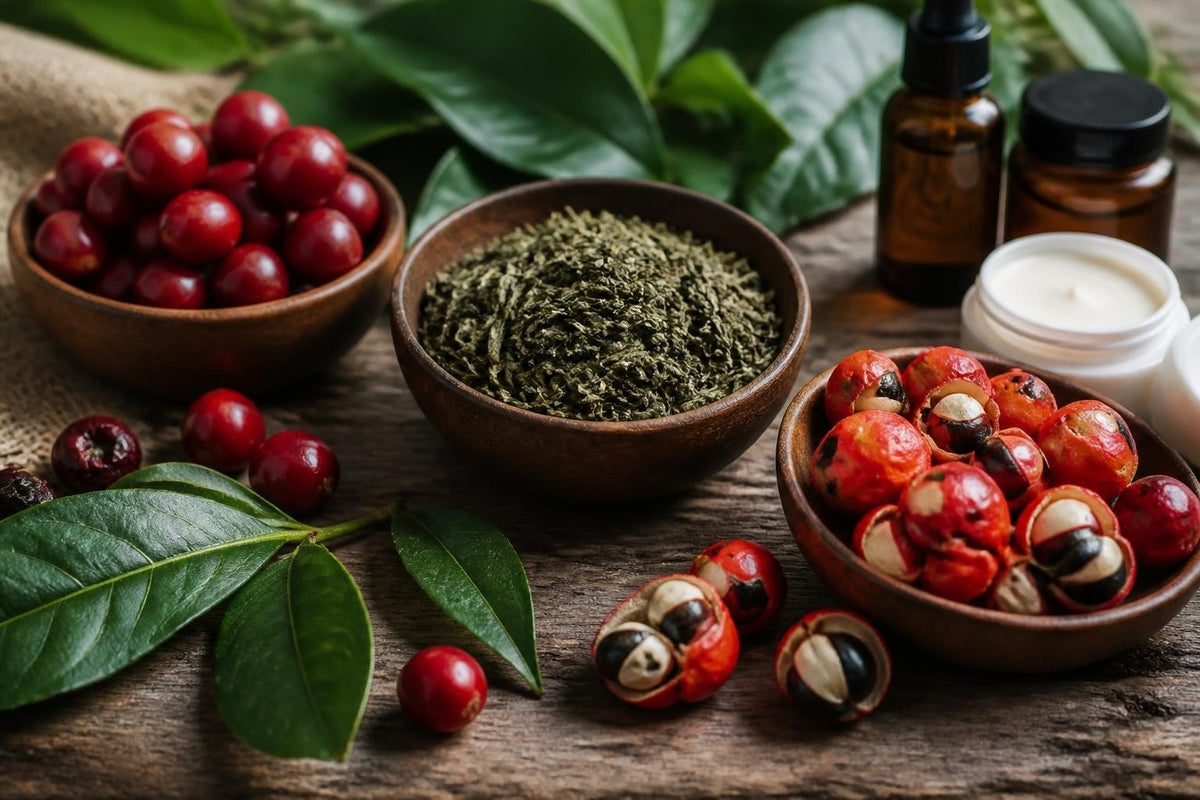
I still remember the first time I walked through a coffee plantation in Java, watching women carefully harvest ripe cherries in the early morning mist. Their hands moved with practiced precision, selecting only the deepest red fruits. What struck me wasn't just the beauty of the landscape, but the realization that this ancient practice connected directly to the energy-boosting compounds we seek in modern wellness routines. That compound, of course, is natural caffeine, a molecule that has shaped human culture for millennia and continues to influence how we approach energy, skincare, and sustainable living today.
The Botanical Origins of Energy
Natural caffeine exists in over 60 plant species across the globe, each developed this alkaloid as a defense mechanism against predators. Unlike its synthetic counterpart manufactured in laboratories, natural caffeine comes packaged with complementary phytochemicals that work in harmony with our bodies.
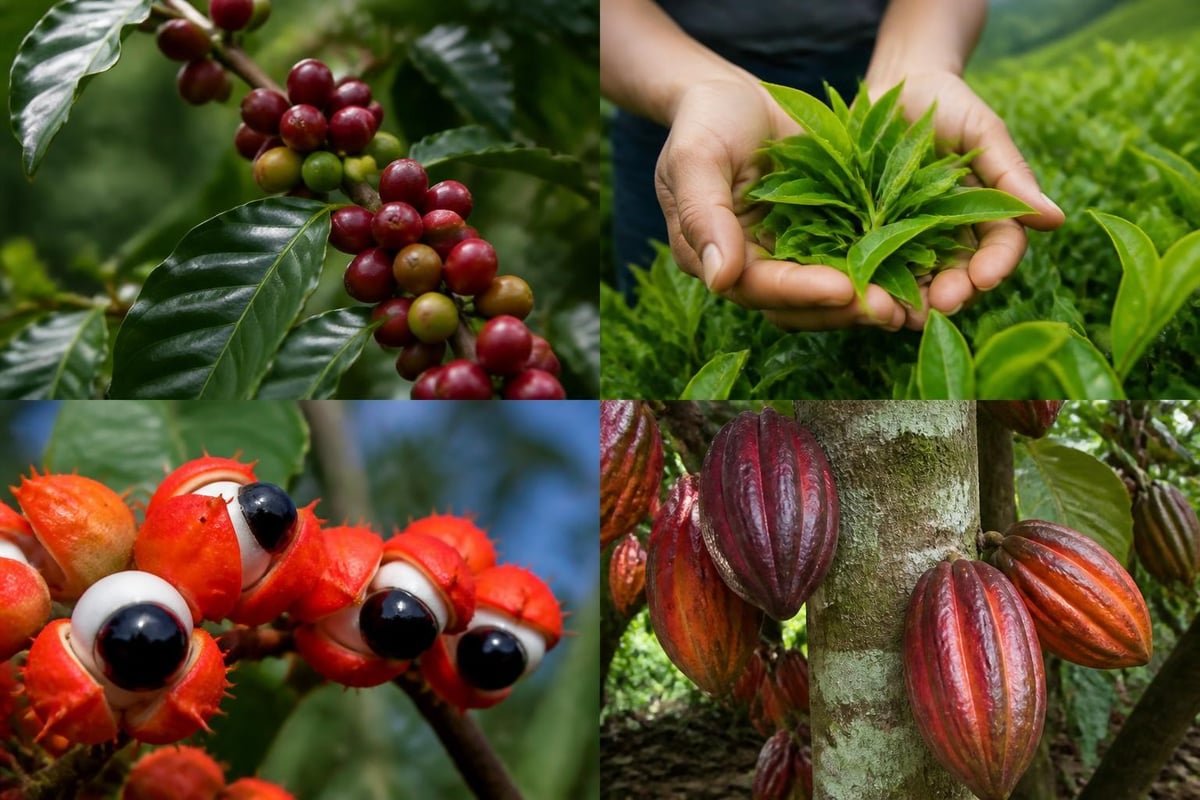
Coffee plants (Coffea arabica and Coffea robusta) remain the most recognized sources, but the diversity extends far beyond your morning cup. Tea leaves, guarana seeds, yerba mate, and cacao beans all produce this stimulant compound naturally. Research on yerba mate extraction methods reveals how processing techniques dramatically affect the final concentration and bioavailability of caffeine alongside other beneficial compounds.
Why Plants Make Caffeine
The evolutionary story behind natural caffeine production tells us something important about quality. Plants don't create caffeine arbitrarily. They synthesize it as:
- Natural pesticide to deter insects from feeding on leaves and seeds
- Allelopathic agent preventing competing plants from growing nearby
- Pollinator reward in nectar to improve memory of flower location
- Germination inhibitor in soil to control seedling competition
This complex biological purpose means natural caffeine never exists in isolation. It's always accompanied by tannins, polyphenols, antioxidants, and other protective compounds that modulate its effects.
From Harvest to Extract: Sustainable Methods
The journey from plant to product requires careful attention to both efficacy and environmental impact. Traditional extraction methods often relied on harsh solvents and energy-intensive processes, but modern green extraction techniques have revolutionized how we obtain natural caffeine while preserving the integrity of companion compounds.
Water-based extraction remains the gentlest method, mimicking the natural process of brewing tea or coffee. Supercritical CO2 extraction offers another sustainable option, using carbon dioxide under specific pressure and temperature conditions to extract caffeine without chemical residues. These methods align perfectly with the philosophy behind brands like naturalē, where traditional knowledge meets modern sustainability standards.
Extraction Comparison
| Method | Sustainability | Compound Preservation | Cost | Best For |
|---|---|---|---|---|
| Water extraction | High | Excellent | Low | Tea, coffee |
| Supercritical CO2 | Very High | Excellent | High | Pure caffeine |
| Ethanol extraction | Medium | Good | Medium | Mixed extracts |
| Solvent extraction | Low | Variable | Low | Industrial scale |
The choice of extraction method profoundly affects the final product's character. Water extraction preserves the full spectrum of water-soluble compounds, creating extracts that contain not just caffeine but also polyphenols, flavonoids, and minerals. This holistic composition mirrors the approach we see in natural bodycare formulations where ingredient synergy matters as much as individual components.
Natural Caffeine in Wellness and Skincare
Beyond its famous role as a morning stimulant, natural caffeine has emerged as a powerful ingredient in topical applications. When applied to skin, it demonstrates remarkable properties that extend far beyond simple energization.
The compound's ability to constrict blood vessels makes it valuable for reducing puffiness and improving circulation. This mechanism explains why coffee extracts appear in eye creams and anti-cellulite formulations. The European Food Safety Authority's comprehensive review of caffeine safety provides context for both internal consumption and topical application, helping formulators understand appropriate concentration ranges.
Topical Applications and Benefits
Natural caffeine works differently on skin compared to ingestion. The molecular structure allows it to:
- Penetrate the dermal layer and stimulate microcirculation
- Act as an antioxidant protecting against UV damage and free radicals
- Reduce inflammation through anti-inflammatory pathways
- Tighten skin temporarily by constricting blood vessels
- Support fat metabolism in subcutaneous tissue
These properties make natural caffeine particularly interesting for body scrubs and massage oils where improved circulation enhances the treatment experience. The gritty texture of spent coffee grounds combined with their caffeine content creates a dual-action exfoliation and toning effect.
I've watched artisans in coastal Indonesian villages incorporate coffee grounds into handmade soaps, intuitively understanding what science now confirms: the combination of physical exfoliation and caffeine stimulation creates synergistic benefits. This traditional wisdom, passed through generations, aligns beautifully with naturalē's philosophy of honoring ancestral knowledge while embracing modern understanding.

The Synergy Story: Caffeine Plus Botanicals
What separates natural caffeine from isolated, synthetic versions isn't just source, it's company. In whole-plant extracts, caffeine exists alongside hundreds of other bioactive molecules that modify and enhance its effects.
Green tea extract demonstrates this principle perfectly. The L-theanine naturally present in tea leaves creates a calming counterbalance to caffeine's stimulant effects, resulting in alert relaxation rather than jittery energy. This is the entourage effect in action, where the whole becomes greater than the sum of its parts.
Synergistic Combinations in Natural Formulations
- Coffee + Coconut Oil: Caffeine enhances absorption of fatty acids while coconut oil delivers caffeine deeper into tissue
- Green Tea + Honey: Polyphenols and caffeine stabilized by honey's antimicrobial properties
- Guarana + Cacao: Complementary methylxanthines with mood-enhancing compounds
- Yerba Mate + Mint: Cooling sensation enhances caffeine's circulation-boosting effects
These combinations appear frequently in artisanal bodycare, where formulators draw from botanical traditions rather than isolating single molecules. A body butter infused with coffee extract doesn't just deliver caffeine, it provides the full spectrum of coffee's skin-loving compounds including chlorogenic acid, caffeic acid, and trigonelline.
The analytical methods for measuring these complex mixtures have evolved significantly, allowing small-batch producers to ensure consistency without industrial equipment. This democratization of quality control supports the kind of community-based production that defines brands committed to local empowerment.
Sustainable Sourcing and Community Impact
The story of natural caffeine cannot be separated from the communities that cultivate, harvest, and process caffeine-containing plants. Coffee and tea production employs millions globally, with the majority being smallholder farmers in tropical regions.
Indonesia's position as one of the world's largest coffee producers means caffeine-bearing plants grow in the same coastal and highland communities where naturalē sources ingredients. This geographical overlap creates opportunities for integrated supply chains that value the whole plant, not just the parts typically sold to commodity markets.
From Waste to Wellness: Upcycling Caffeine Sources
Coffee production generates massive amounts of byproducts: spent grounds from brewing, pulp from processing cherries, and leaves pruned during cultivation. Each contains residual caffeine and valuable phytochemicals. Progressive brands now upcycle these materials into:
- Coffee grounds become exfoliating scrubs and garden amendments
- Coffee pulp extracts provide antioxidants for skincare
- Coffee leaves brew into tea with gentler caffeine profiles
- Coffee cherry cascara offers fruit-forward energy drinks
- Coffee flower extracts contribute rare aromatic compounds
This circular approach mirrors the zero-waste philosophy evident in naturalē's packaging practices, where every component serves multiple purposes and nothing valuable goes unused. When coastal communities can monetize what was previously waste, economic resilience improves alongside environmental stewardship.

Global Sources, Local Applications
While coffee and tea dominate the natural caffeine conversation, regional variations offer fascinating alternatives. Each source brings unique companion compounds and cultural contexts.
| Source | Caffeine % (dry weight) | Primary Region | Traditional Use | Companion Compounds |
|---|---|---|---|---|
| Coffee beans | 1.0-2.5% | Global tropics | Beverage | Chlorogenic acids, trigonelline |
| Tea leaves | 2.0-4.0% | Asia | Beverage, topical | L-theanine, catechins, EGCG |
| Guarana seeds | 4.0-6.0% | Amazon basin | Energy, medicine | Tannins, saponins, catechins |
| Yerba mate | 1.0-1.5% | South America | Social beverage | Polyphenols, saponins |
| Cacao beans | 0.1-0.4% | Equatorial regions | Food, medicine | Theobromine, flavonoids |
| Guayusa leaves | 2.0-3.0% | Amazon | Morning ritual | Chlorogenic acids, theobromine |
These diverse sources allow formulators to choose caffeine profiles matched to specific purposes. A body serum using cacao extract provides gentle caffeine alongside cacao's renowned skin-smoothing compounds, while a coffee-based scrub delivers more intense circulation stimulation.
Formulation Considerations for Natural Bodycare
Incorporating natural caffeine into bodycare products requires understanding both its chemistry and its interaction with other ingredients. Unlike water-soluble synthetic caffeine, plant-based caffeine often comes bound to other molecules or suspended in oils, affecting solubility and stability.
Creating a stable emulsion with coffee oil or tea extract demands careful attention to pH, temperature, and emulsifier selection. Natural preservatives must be chosen to complement the antioxidant properties of caffeine-rich extracts rather than competing with them.
Formulation Guidelines
Successful natural caffeine bodycare formulations typically follow these principles:
- Concentration matters: 0.5-2% caffeine content for topical products achieves therapeutic effects
- Fresh extraction: Prepare caffeine-rich infusions shortly before incorporation to maximize potency
- Stabilize naturally: Vitamin E, rosemary extract, and green tea act as both antioxidants and preservatives
- Layer thoughtfully: Apply caffeine products to damp skin for enhanced absorption
- Combine strategically: Pair with ingredients that support circulation like ginger, cayenne, or peppermint
These guidelines inform the creation of products across naturalē's wellness collection, where traditional Indonesian botanicals meet carefully selected global ingredients. The handmade natural soap range, for instance, can incorporate locally-sourced coffee grounds for gentle exfoliation alongside the energizing effects of natural caffeine.
Safety, Dosage, and Daily Exposure
Understanding appropriate exposure to natural caffeine matters whether consuming it internally or applying it topically. The body processes caffeine through well-understood metabolic pathways, but individual tolerance varies significantly based on genetics, regular consumption patterns, and overall health.
Topical application presents different considerations than ingestion. Skin absorption of caffeine occurs more slowly and incompletely than digestive absorption, meaning the systemic effects from a coffee-infused body scrub remain minimal even with generous application.
Exposure Considerations
Daily caffeine exposure typically comes from multiple sources:
- Morning coffee or tea (80-200mg per serving)
- Chocolate and cacao products (5-50mg per serving)
- Energy drinks and supplements (50-300mg per serving)
- Topical bodycare products (<10mg absorbed per application)
The cumulative effect matters less with topical applications because the dose absorbed through skin represents a fraction of oral consumption. However, awareness of total exposure helps individuals make informed choices, especially those sensitive to stimulants or managing specific health conditions.
The Future of Natural Caffeine in Sustainable Beauty
As consumers increasingly demand transparency and sustainability, natural caffeine sources aligned with ethical production practices gain market share. The movement toward regenerative agriculture, fair trade certification, and community-based enterprise reshapes how we source and value caffeine-bearing plants.
Innovations in extraction technology make it feasible for small producers to create high-quality extracts without industrial infrastructure. Solar-powered supercritical CO2 systems, enzymatic extraction using natural enzymes, and cold-pressing techniques preserve delicate compounds while minimizing environmental impact.
This democratization of production technology empowers the kind of coastal communities that naturalē partners with, enabling local women to participate in value-added processing rather than simply supplying raw materials. When a cooperative can transform locally-grown coffee into finished skincare extracts, more economic value remains in the community.
The trend toward multi-use ingredients also favors natural caffeine. A single coffee plant can provide beans for beverages, grounds for scrubs, oil for moisturizers, and leaf tea for wellness drinks. This integrated approach reduces waste, increases producer income, and creates more resilient supply chains.
Cultural Context and Traditional Wisdom
Long before laboratory studies confirmed caffeine's properties, traditional cultures incorporated caffeine-bearing plants into wellness rituals. Chinese medicine has used tea topically for inflammation and circulation for thousands of years. South American indigenous groups applied guarana paste to skin for its tightening and protective effects. Indonesian communities mixed coffee with coconut oil for massage.
This traditional knowledge, refined through generations of observation and practice, increasingly informs modern formulation. The wisdom of combining caffeine sources with specific carrier oils, applying them at particular temperatures, and pairing them with complementary botanicals reflects sophisticated understanding of synergistic effects.
Respecting and preserving this knowledge means ensuring the communities that developed it benefit from its commercialization. Transparent sourcing, fair compensation, and collaborative development models honor the intellectual and cultural contributions of traditional practitioners. This approach aligns with naturalē's mission of empowering local communities while creating exceptional products.
Practical Applications for Daily Wellness
Incorporating natural caffeine into daily routines extends beyond drinking coffee or tea. Strategic topical application can enhance circulation, reduce inflammation, and provide gentle energy without systemic stimulation.
Morning showers become more invigorating with coffee-based body washes that combine physical exfoliation with caffeine's circulation-boosting effects. A shower kit might include coffee soap, a natural fiber brush, and energizing essential oils for a complete awakening ritual.
Evening applications work differently. While you wouldn't drink strong coffee before bed, a gentle massage with caffeine-infused body oil can reduce muscle tension without disrupting sleep because topical absorption provides localized benefits without significant systemic effects.
Daily Integration Ideas
Create rituals around natural caffeine that honor both tradition and modern science:
- Morning energizer: Coffee ground scrub in the shower followed by circulation-boosting massage
- Midday refresh: Green tea facial mist with cooling cucumber
- Pre-workout preparation: Caffeine-rich massage oil applied to muscles
- Post-exercise recovery: Coffee and salt soak to reduce inflammation
- Evening wind-down: Gentle cacao body butter for skin nourishment without stimulation
These practices transform caffeine from simple stimulant to multi-dimensional wellness tool, respecting both its energizing properties and its topical benefits.
Natural caffeine represents more than an ingredient, it embodies the connection between traditional knowledge and modern wellness, between sustainable agriculture and conscious consumption. By choosing products that honor the full journey from plant to application, we support communities, protect environments, and nourish ourselves with nature's wisdom. Naturalē brings this philosophy to life through handcrafted bodycare rooted in Indonesian coastal traditions, where every product tells a story of sustainability, empowerment, and the transformative power of natural ingredients thoughtfully combined.


